
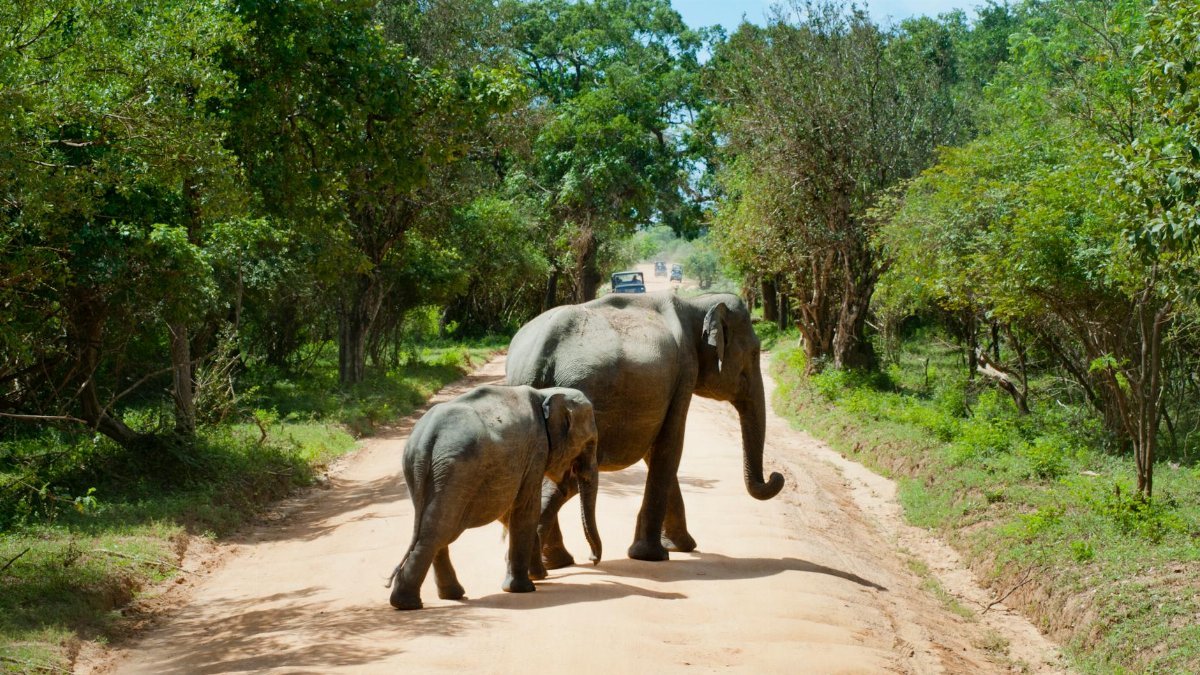
In the golden light of an African afternoon a group of biologists observed a young elephant interacting with its herd. The animal seemed to caress the air with its trunk detecting nuances that remained invisible to the human eye. This scene took on new meaning after the team documented the elephant whiskers sensitivity present in those seemingly unremarkable hairs. Their work has sparked fresh conversations about how animals experience the world and what humans might learn from such finely tuned biology. The implications stretch beyond pure science touching on our own place in the natural order and the value of attentiveness in daily life.
A Breakthrough in Wildlife Research

A study released earlier this year has brought attention to a previously underappreciated aspect of elephant physiology. According to reports the whiskers scattered across an elephants trunk and face are far more than decorative. They function as highly sensitive detectors capable of picking up on minute changes in texture vibration and even chemical signals in real time. The research team led by experts in sensory biology spent months observing elephants in controlled environments and in the wild. Their findings suggest that this sensitivity plays a central role in survival social bonding and environmental awareness. Full details of the investigation appear in a comprehensive article available at this Washington Post link.
The scientists used advanced imaging techniques to map the nerve pathways connected to each whisker. What they found was surprising. Each hair is surrounded by a dense network of nerves that transmit information at remarkable speeds to the brain. This setup allows elephants to build a rich picture of their surroundings through touch alone.
Mapping The Sensory Landscape

The distribution of these whiskers follows a deliberate pattern. They cluster in greater numbers around the tip of the trunk and along the sides where contact with objects is most frequent. This arrangement maximizes the elephant whiskers sensitivity during feeding and social interactions. Elephants can discern the difference between types of vegetation the texture of another animals skin or the vibrations caused by distant footsteps. Such capabilities likely evolved over countless generations to meet the demands of life in varied habitats from dense forests to open plains.
By studying captive elephants alongside those in natural reserves the team was able to compare how environment influences the development of these sensory abilities. Elephants in the wild displayed even greater acuity suggesting that constant engagement with diverse stimuli sharpens their skills further.
Daily Life Through An Elephants Trunk
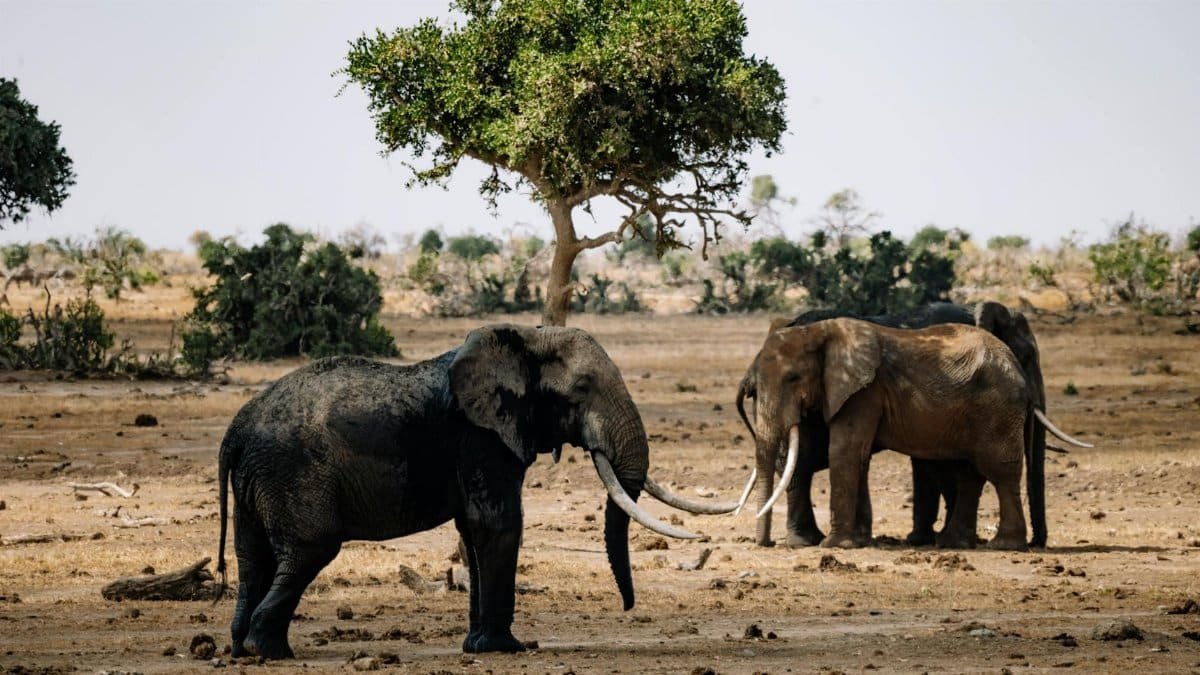
For elephants the trunk serves as a multipurpose tool for drinking grasping communicating and exploring. The added layer of elephant whiskers sensitivity transforms this appendage into a sophisticated sensory organ. When an elephant reaches toward a branch it does not rely on sight alone. The whiskers provide instant feedback about the ripeness of fruit or the presence of insects. This constant stream of data informs decisions that affect nutrition and safety.
In one documented case an elephant used its trunk to locate a hidden water source beneath sand. The whiskers detected subtle moisture levels that would have been impossible to sense without such specialized equipment. Observations like these highlight the practical advantages this biological feature confers and reveal how central touch remains to everyday existence.
Social Bonds Strengthened By Touch

Elephants are known for their strong family structures and complex social dynamics. The sensitivity in their whiskers enhances their ability to maintain these relationships. Gentle trunk touches between mothers and calves convey reassurance and affection. Among adults similar contacts can signal alliance or dominance. The elephant whiskers sensitivity ensures that these interactions carry layers of meaning beyond what eyes or ears can perceive.
Researchers believe that damage to an elephants whiskers through injury or illness would severely impair its social integration. This insight adds urgency to conservation efforts that aim to minimize disruptions to elephant communities and preserve the delicate threads that hold herds together.
Insights From Ancient Traditions

Many indigenous cultures have long recognized the special qualities of elephants. Stories and legends portray them as wise beings with deep connections to the earth. The scientific confirmation of their exceptional sensory abilities resonates with these traditional views. It suggests that ancient observers may have intuited truths about animal awareness that modern tools are only now verifying.
In spiritual contexts this discovery encourages a sense of humility before the natural world. If such large creatures depend on delicate whiskers for survival then perhaps humans too should cultivate greater sensitivity toward their surroundings and fellow beings. The parallel offers a bridge between empirical research and timeless wisdom passed through generations.
Comparisons With Other Mammals

While many mammals possess whiskers or vibrissae few match the scale and sophistication seen in elephants. Seals use sensitive whiskers to track fish in dark waters. Rats employ them for navigation in tight spaces. Yet the elephant version stands out due to the animals size and the trunks extensive range of motion. This combination creates unique opportunities for sensory input that other species rarely achieve.
Understanding these differences helps scientists appreciate the specific evolutionary path taken by elephants. It also informs broader studies on how sensory systems adapt to body plans and ecological niches across the animal kingdom.
Applications Beyond The Animal Kingdom

The principles behind elephant whiskers sensitivity could inspire innovations in robotics and medical devices. Engineers are already exploring ways to mimic the nerve whisker interface for use in artificial limbs or remote sensing equipment. Such technology might allow more nuanced interaction with delicate objects or early detection of structural weaknesses in buildings.
In the medical field similar designs could improve tools for minimally invasive surgery providing doctors with enhanced tactile feedback. The potential benefits demonstrate how studying nature often leads to practical advances that improve human lives in unexpected ways.
Protecting These Magnificent Beings

As habitats shrink and pressures from human activity increase elephants face numerous threats. Poaching habitat loss and climate change all pose risks. Knowing the importance of their sensory whiskers adds another dimension to the need for protection. Any harm that affects trunk function could have consequences for individual animals and for the social fabric of entire herds.
Conservation groups are incorporating these new findings into their strategies. By highlighting the intricate sensory world of elephants they hope to garner more support for safeguarding wild populations and creating connected corridors where animals can thrive without interference.
The Spiritual Dimension Of Animal Senses

This research invites contemplation of larger questions about consciousness and interconnectedness. In a fast paced world many people have lost touch with subtle signals from their environment. The elephant with its elephant whiskers sensitivity serves as a powerful reminder of what can be gained by slowing down and attending more closely to the present moment. Spiritual teachers from various traditions have emphasized similar ideas. They encourage practices that heighten awareness and foster empathy. Observing elephants might inspire readers to adopt some of those practices in their own lives and rediscover a gentler way of moving through the world.
What The Future Holds

Scientists plan to expand their research to include more elephant populations across different regions. They also hope to investigate whether other large mammals possess comparable but as yet undocumented sensory adaptations. The goal is to build a more complete picture of how touch shapes animal experience and influences behavior in the wild.
Public interest in the study has been high. Documentaries and educational programs are in development to share these revelations with wider audiences. As knowledge spreads so too does appreciation for the quiet wonders that surround us each day.
Why This Matters to All of Us

The story of elephant whiskers sensitivity is more than a scientific curiosity. It reflects our shared stake in the health of the planet and its inhabitants. When we recognize the sophistication of other species we become better stewards of the earth. This perspective can influence decisions about policy education and personal behavior. In the end the whiskers on an elephants trunk remind us that sensitivity is not weakness. It is a profound strength that sustains life in all its forms and calls us toward greater care for the world we share.