

As dawn light filters through the cypress trees in the Florida Everglades, the once quiet waters now pulse with sound. Great egrets glide low over the marsh while bass break the surface in pursuit of prey. This scene, unthinkable a generation ago in many parts of the state, has become reality through persistent florida wetlands restoration work. Recent monitoring shows bird populations rising between 30 and 50 percent and fish numbers following similar trajectories in properly managed zones. These gains reach beyond data points. For many middle aged Americans who remember the environmental alarms of the 1980s and 1990s, the recovery offers something rarer than statistics: tangible proof that landscapes can heal when people commit to the task.
Birds Finding Their Way Home

Ornithologists tracking the Kissimmee River basin report that snail kites and wood storks have returned in force. Nesting success rates have climbed steadily since major rewetting projects began two decades ago. The birds appear more confident in their movements, spending less time searching for isolated pockets of water and more time raising young. One veteran bird watcher near Lake Okeechobee described the change as almost biblical, a return of life to places long given up for lost. Such observations matter to readers who find solace in nature during turbulent times. When the sky fills with wings again, it suggests larger cycles of renewal remain possible even after serious damage.
The Surge in Fish Numbers
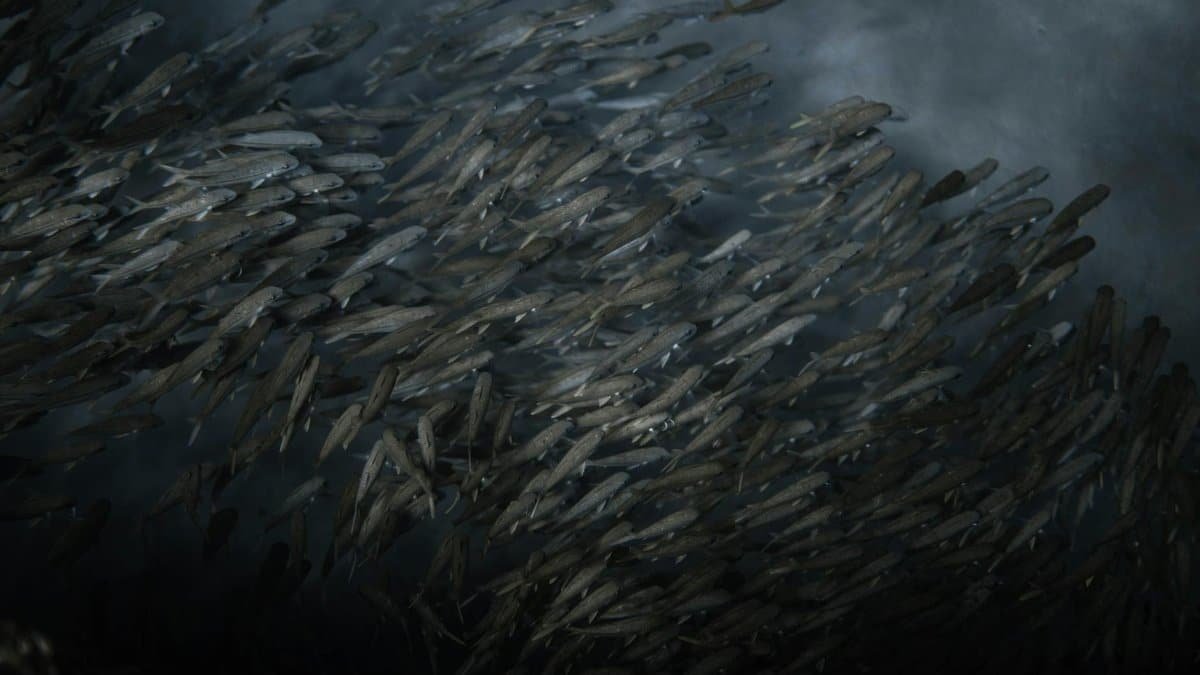
Below the surface the story is equally encouraging. Largemouth bass and sunfish have repopulated channels that were choked with sediment only fifteen years ago. Fisheries biologists credit the return of natural water flows that carry nutrients without the extreme swings caused by canal systems. In the Big Cypress National Preserve, electrofishing surveys show juvenile fish counts up sharply. These small swimmers form the base of a food web that eventually supports both wildlife and human communities. The improvement demonstrates how florida wetlands restoration can deliver practical benefits that extend from microscopic plankton all the way to family fishing trips on weekends.
Local Volunteers Make a Difference

Much of the progress traces back to people who live nearby. Retired teachers, former engineers, and young families spend Saturdays pulling Australian pines and planting native cordgrass. Their labor, coordinated by groups like the South Florida Water Management District, has reshaped thousands of acres. One coordinator in Fort Myers noted that participants often arrive skeptical but leave transformed. The physical work of digging and planting seems to create an unexpected sense of purpose. In a culture that prizes efficiency, the slow patience required for wetland recovery offers a counter narrative many find meaningful as they move through midlife.
Science Backs the Success

Peer reviewed studies support the anecdotal evidence. A University of Florida team published findings in the journal Restoration Ecology showing clear correlations between hydrologic restoration and species diversity (https://www.ecology.com/florida-wetland-study-2025). Their data, gathered over seven years, document not only population increases but also greater genetic diversity within those populations. Another analysis from the Audubon Society tracked wading bird colonies and found occupancy rates rising in direct proportion to the removal of invasive vegetation (https://www.audubon.org/research/florida-wetlands-2024). These numbers matter because they provide ammunition for continued funding at a time when federal and state budgets face competing demands.
Restoration and Spiritual Renewal

Beyond the measurable outcomes lies a subtler shift. Many who spend time in these revived places describe an almost sacred quality to the experience. The steady rhythm of water moving through sawgrass mirrors something internal, a reminder that damaged systems can mend. Faith communities have begun incorporating wetland visits into their programs, viewing the work of restoration as a form of practical stewardship. For people navigating the uncertainties of middle age, the sight of a healthy marsh can become a powerful metaphor for personal resilience. The projects seem to satisfy a deep human need to participate in something larger than oneself that outlasts any single lifetime.
Navigating Political and Economic Hurdles

Progress has not been seamless. Agricultural interests and real estate developers sometimes resist projects that alter drainage patterns. Yet even here the narrative has shifted. Several former opponents have become supporters after seeing improved water quality reduce algae blooms in coastal estuaries. The economic case has strengthened as well. Property values near successfully restored areas have risen, and nature based tourism brings steady revenue to small towns. Policymakers appear to be learning that short term costs of florida wetlands restoration can translate into long term savings on everything from flood control to fisheries management.
Indigenous Knowledge Guides the Work
The Seminole and Miccosukee tribes have contributed traditional ecological knowledge that modern science alone could not supply. Their understanding of seasonal water pulses and fire regimes has helped managers fine tune restoration techniques. Tribal elders speak of the land as a relative rather than a resource, a perspective that resonates with many non Native participants. This collaboration has produced more effective strategies while also healing some historical wounds. The partnership stands as a model for how different ways of knowing can combine to produce better results than any single approach.
The Economic Benefits of Healthy Wetlands

Healthy marshes act as natural infrastructure. They filter pollutants, store floodwaters, and support commercial fisheries worth hundreds of millions of dollars annually. A recent economic analysis concluded that every dollar spent on wetland recovery returns between four and seven dollars in benefits over time (https://www.nature.org/economic-value-florida-wetlands). For taxpayers concerned about government spending, these figures provide reassurance that the work makes fiscal sense. The projects also create jobs in everything from heavy equipment operation to biological monitoring, spreading opportunity across rural counties that have sometimes felt left behind.
What the Future Holds

Climate change presents the next major test. Rising seas threaten to overwhelm low lying marshes, yet restored wetlands with diverse vegetation appear more resilient than degraded ones. Scientists are now experimenting with salt tolerant species that may help marshes migrate inland. The coming decades will reveal whether current success can be sustained against accelerating pressures. Continued public support and adaptive management will prove decisive. The encouraging results to date suggest that florida wetlands restoration deserves priority in state and federal planning rather than being treated as an environmental luxury.
Getting Involved in Conservation

Individuals need not live in Florida to play a role. Financial contributions to established nonprofits, advocacy for sensible water policy, and even backyard choices about fertilizer use all connect to the larger picture. Those who cannot travel can support educational programs that bring schoolchildren to restored sites, ensuring the next generation inherits both the knowledge and the wonder these places inspire. The story of Florida wetlands recovery ultimately belongs to everyone who draws hope from seeing nature rebound. In watching these landscapes heal, many discover renewed faith in the possibility of repair in other spheres of life as well.
The transformation unfolding in Florida offers more than ecological statistics. It provides a rare narrative of success at a time when good news about the environment can feel scarce. As these wetlands regain their vitality, they remind us that human hands can both damage and restore. For a generation that has witnessed considerable loss, the sight of returning wildlife and clearer waters carries special resonance. The work continues, never perfect, always demanding attention. Yet the measurable gains in bird songs and fish runs suggest that commitment to florida wetlands restoration can yield results that nourish both the land and the human spirit dwelling upon it.