

In the rolling fields of Iowa a farmer named Sarah Thompson pauses to examine the earth she has worked for more than 25 years. What was once compacted and lifeless soil now teems with worms and organic matter. Her transition to midwest sustainable farming has not only revitalized her land but also given her a profound sense of purpose that she describes as almost sacred. Across the Midwest countless producers are making similar changes driven by both practical necessity and a deeper calling to protect the foundation of their livelihood and legacy.
This movement comes at a critical time. Years of conventional farming have taken a toll on the prairies delicate balance. Yet a growing number of producers are reversing that damage through thoughtful innovation and respect for the land. Their efforts offer hope not only for agricultural sustainability but for a renewed spiritual connection to the sources of our food and the earth itself.
The Hidden Life Beneath Our Feet

Soil is not merely dirt but a dynamic living community filled with bacteria fungi insects and countless other organisms that interact in intricate ways. In conventional systems heavy machinery and chemical applications often disrupt these networks leading to compaction reduced fertility and increased vulnerability to erosion. Practitioners of sustainable approaches focus on feeding the microbes and improving structure through organic matter additions. This perspective shift has led to remarkable improvements in water retention and natural fertility across thousands of acres.
Farmers report that healthy soil can absorb rainfall more effectively reducing runoff and flooding risks during heavy storms. One study from the University of Minnesota found that fields with diverse rotations and cover crops retained 30 percent more water than traditional plots. The biological activity also sequesters carbon helping mitigate climate impacts while supporting robust crop growth with fewer synthetic inputs. This understanding reframes farming as an alliance with natural processes rather than a battle against them.
Research supports these observations. A report from the Rodale Institute demonstrates that regenerative practices can increase soil organic matter significantly over a decade. Interested readers can explore the findings at the Rodale Institute website.
Profiles in Transition

Across states like Iowa Minnesota and Nebraska family operators are leading by example. Many inherited farms that had followed industrial models for generations. The decision to change came after observing declining yields increasing input costs and a personal dissatisfaction with the treadmill of chemical dependency. Their stories reveal the human element behind the statistics showing how individual choices can ripple through rural communities.
One cooperative in Wisconsin has helped dozens of farms convert by providing equipment sharing technical support and marketing assistance for their products. These pioneers face skepticism from neighbors yet their success is gradually shifting opinions. The patience required during the transition period mirrors spiritual disciplines of perseverance and faith in processes that unfold slowly over time.
Sarah Thompson belongs to a network of women farmers who meet monthly to discuss both practical challenges and the emotional rewards of their work. Their gatherings often blend agronomic advice with reflections on stewardship creating space for the full spectrum of experience that sustainable agriculture demands.
Cover Crops as Guardians of the Soil
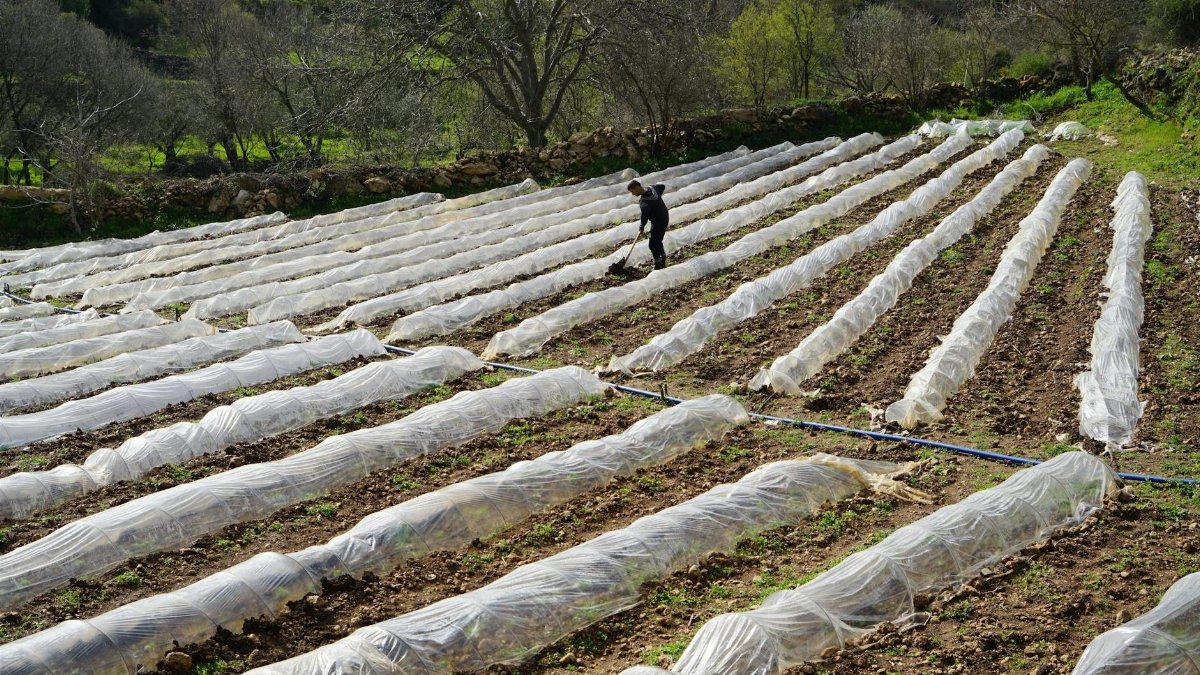
Planting cover crops during what would otherwise be fallow periods has emerged as a cornerstone practice. Species such as cereal rye clover and oats grow during off seasons protecting the soil from wind and water erosion. When terminated they add substantial organic matter that feeds the subsequent cash crop and stimulates microbial life throughout the root zone.
These plants also scavenge leftover nutrients preventing them from leaching into waterways and contributing to downstream pollution in the Mississippi River basin. Their roots improve soil structure creating channels for water infiltration and future crop roots to follow. Thompson who grows organic vegetables alongside her corn operation has seen her soil organic matter rise from two percent to over five percent in eight years.
Such gains translate to better drought resistance and reduced need for irrigation during dry summers. The practice aligns with natural cycles honoring the rhythm of seasons rather than fighting against them. Many farmers describe the green blanket of a healthy cover crop as visually and spiritually reassuring a sign that the land remains productive even in winter months.
Reducing Disturbance Through Alternative Techniques

Traditional tillage although effective for weed control and seedbed preparation comes at a steep cost to soil structure. Each pass with machinery breaks apart aggregates and exposes organic matter to rapid oxidation. Over years this leads to loss of carbon and diminished biological capacity making the ground less capable of supporting life.
No till methods combined with careful management of residues offer a powerful alternative. Specialized planters cut through cover crop mulch to place seeds with minimal soil disruption. This preserves the habitat for earthworms and other beneficial organisms while keeping carbon stored underground where it belongs.
Adopters report lower fuel costs and less labor during busy seasons. More importantly the soil remains covered and alive throughout the year fostering continuity in the biological community. This respect for the soils integrity reflects a mindful approach that many describe in terms of humility before the complexity of creation.
The Spiritual Dimension of Land Stewardship
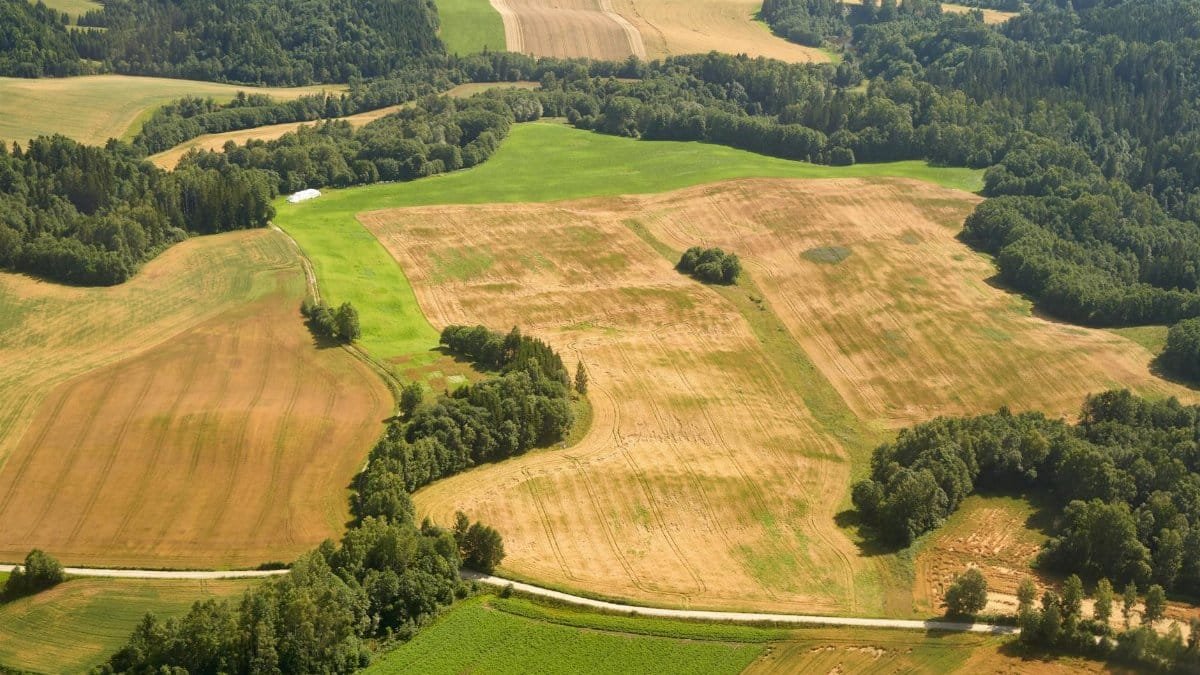
For many Midwest farmers the move toward sustainable methods carries profound spiritual significance. They speak of a sense of reconciliation with the land after years of exploitation that left both soil and spirit depleted. This resonates with ancient traditions that view the earth as a sacred trust rather than a resource to be mined for short term gain.
Some draw inspiration from biblical calls to care for creation while others find alignment with indigenous wisdom that emphasizes reciprocity with nature. Church groups in rural areas have begun discussing sustainable farming as an expression of faith in action connecting scriptural mandates with practical field management. These conversations suggest a broader cultural shift where agriculture becomes a venue for spiritual growth and ethical living.
One farmer in Missouri described the moment he saw his first significant earthworm population return after years of absence. It felt like a homecoming he said a sign that the land was forgiving past mistakes. Such experiences highlight how midwest sustainable farming can nourish the soul as well as the soil offering practitioners a tangible way to participate in healing and renewal.
Economic Impacts on Rural Households

The financial aspects of adopting these practices receive considerable attention from both operators and lenders. Initial investments in new equipment or seeds can strain budgets already tight from market volatility and rising costs. However many report reduced expenses on fertilizers pesticides and diesel fuel after the transition period of three to five years.
Premium markets for products grown with ecological care offer another revenue stream. Restaurants consumers and wholesale buyers increasingly seek foods produced with attention to soil health creating opportunities for direct sales and cooperative ventures. Government programs that reward conservation practices provide additional support during the learning phase.
Over time the improved soil health translates to more consistent yields even in challenging weather conditions. This stability brings peace of mind to families who have watched previous generations struggle with debt and uncertainty. The economic case strengthens when viewed across multiple generations as farms become more resilient and less dependent on volatile external inputs.
Evidence from the Research Community

Universities and nonprofit organizations have accumulated substantial data on these approaches. Trials conducted over many years at the Kellogg Biological Station in Michigan show that diverse rotations build soil carbon while maintaining profitability comparable to conventional systems. Similar work at Purdue University confirms yield stability improvements after five to seven years of consistent practice.
These studies provide the foundation for confidence among hesitant farmers. The original reporting that inspired much of this discussion can be found at this New York Times feature. Importantly the benefits extend beyond the farm gate to cleaner water healthier ecosystems and reduced greenhouse gas emissions that contribute to public welfare.
This alignment of private action with public good strengthens the argument for wider support through both policy and market mechanisms. The data continues to accumulate demonstrating that midwest sustainable farming represents not just an idealistic vision but a pragmatic response to current realities.
Communities Coming Together for Change

Isolated efforts gain strength when farmers connect with peers facing similar questions. Workshops field days and online forums facilitate the exchange of practical knowledge that cannot be found in textbooks alone. Mentorship programs pair experienced regenerative operators with those just beginning the journey offering guidance tailored to local conditions.
These networks reduce the risks associated with innovation by providing troubleshooting and emotional support during difficult seasons. In an industry long known for independence the willingness to collaborate marks a notable evolution. Success becomes shared rather than competitive fostering a sense of common purpose that extends beyond individual profit.
Some groups incorporate reflective practices or discussions about the deeper meaning of their work. This integration of practical and philosophical elements appeals to those seeking both livelihood and life satisfaction from their farms. The community aspect may prove as important as the agronomic techniques themselves.
Barriers That Remain in Place

Despite the advantages significant obstacles persist. Access to appropriate equipment knowledge gaps and ingrained cultural norms all slow the pace of change. Federal crop insurance programs have historically favored conventional methods although recent adjustments show promise of broader recognition for soil building practices.
Younger farmers often express more interest in sustainable systems but face challenges securing land and capital on reasonable terms. Addressing these structural issues will require coordinated action from policymakers lenders universities and established producers. Until then progress will depend on the determination of individuals willing to chart a different course despite the headwinds.
Education programs tailored to adult learners are expanding yet more work remains to make technical assistance readily available in every county. The barriers are real but so is the momentum building among those who have already made the leap.
Envisioning an Agricultural Renaissance

The cumulative effect of these individual transformations could reshape the Midwest landscape in profound ways. Healthier soils mean cleaner rivers more biodiversity and greater capacity to sequester carbon from the atmosphere. Rural economies could thrive as farms become more self sufficient and attractive to new entrants drawn by both opportunity and purpose.
Consumers stand to benefit from foods grown in ways that honor ecological limits and regenerate rather than exhaust resources. Perhaps most meaningfully this evolution invites a reconsideration of humanitys place within natural systems. When farmers speak of listening to the land they echo wisdom traditions that have much to teach our fast paced society focused on immediate results.
As one visits these evolving operations the sense of optimism is palpable. The practices of midwest sustainable farming offer more than technical solutions to environmental problems. They point toward a harmonious way of living that could sustain both people and the planet for generations to come. In that vision lies a quiet but powerful form of hope rooted in the soil itself.