
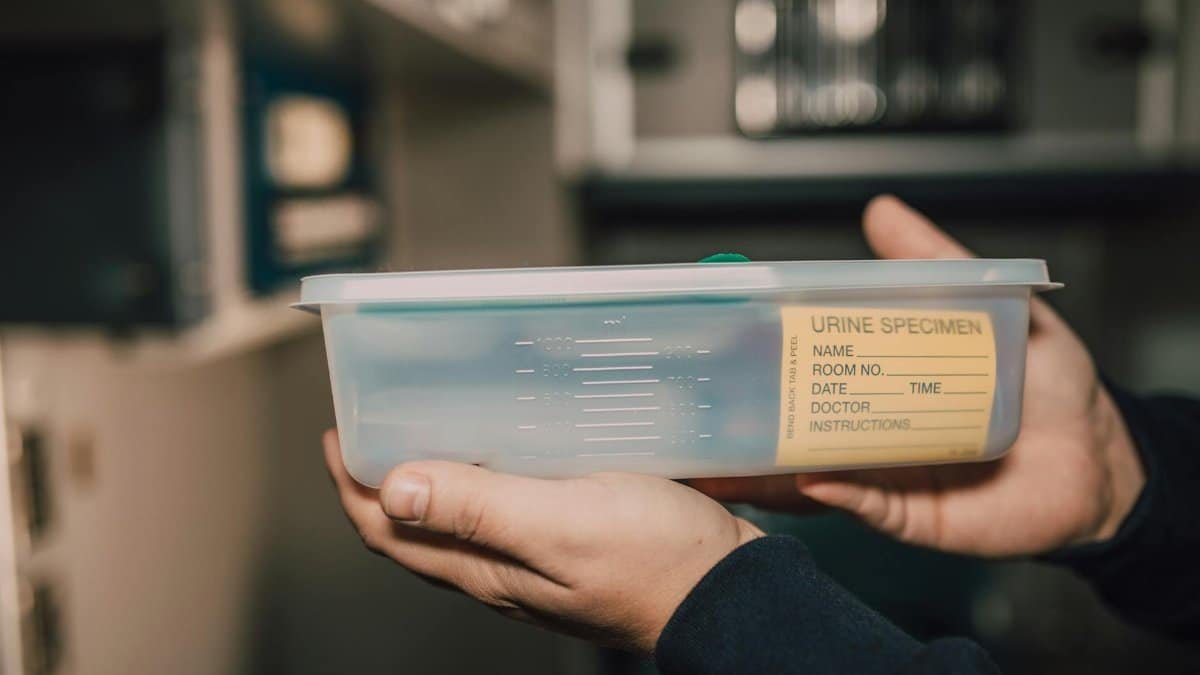
Every year, more than 25 million Americans grapple with urinary incontinence or overactive bladder, conditions that disrupt daily life and erode confidence. Yet amid the rush of modern existence, a quiet revolution is underway in bathrooms across the country: urinary health mindfulness. This approach blends ancient breathwork practices with cutting-edge urological advice, offering a path to reclaim control without invasive procedures. Urologists now endorse techniques that train the mind to soothe the bladder, drawing from studies showing mindfulness reduces urgency episodes by up to 40 percent. As one specialist notes, it’s not just about the body; it’s rewiring how we respond to signals from within.
The Rise of Mindful Bladder Awareness

In the past decade, urinary health mindfulness has emerged from the fringes of wellness into mainstream medical discourse. Clinics in New York and Los Angeles now offer sessions where patients learn to observe bladder sensations without panic. Dr. Elena Vasquez, a urologist at Mount Sinai, explains that chronic stress amplifies urinary urgency, creating a feedback loop. By practicing awareness, patients interrupt that cycle. A 2022 study in the Journal of Urology found participants in an eight-week mindfulness program reported fewer accidents and improved quality of life. Read the study here.
Tip One: Master the Four-Seven-Eight Breath

Start simple with the four-seven-eight breathing technique, pioneered by Dr. Andrew Weil. Inhale for four counts, hold for seven, exhale for eight. Urologists recommend this before bathroom trips to calm overactive nerves. Patients like Maria Gonzalez, a 52-year-old teacher from Chicago, swear by it. After months of nighttime awakenings, she now sleeps through. This urinary health mindfulness staple activates the parasympathetic nervous system, signaling the bladder to relax.
Tip Two: Pelvic Floor Meets Meditation

Traditional Kegels get a mindfulness upgrade. Instead of rote contractions, visualize your pelvic floor as a serene elevator descending slowly. Contract on the inhale, release on the exhale, all while maintaining gentle awareness. A randomized trial from UCLA showed this combo cut incontinence episodes by 35 percent over standard exercises alone. View the research. Experts say the mental focus prevents straining, a common pitfall.
Why Diet Plays into Mindful Urinary Habits

What you eat echoes in your bladder. Caffeine and artificial sweeteners irritate the lining, but mindfulness helps discern true urges from false alarms triggered by diet. Track intake in a journal, noting emotional states alongside. Nutritionist Sarah Kline advises pairing this with herbal teas like chamomile, which soothe without caffeine’s jolt. Over time, this builds intuitive eating aligned with urinary health mindfulness principles.
Tip Three: The Urge Surfing Technique
Coined in mindfulness-based stress reduction programs, urge surfing treats bladder signals like ocean waves. Acknowledge the urge, observe its peak and fade without acting. Urologist Dr. Raj Patel from Cleveland Clinic uses this with patients pre-surgery. One study in Neurourology and Urodynamics tracked 150 women; those practicing urge surfing delayed voiding times significantly. See the findings. It’s empowering, turning victims into observers.
Tip Four: Daily Bladder Diaries with Reflection

Log fluid intake, voids, and leaks, but add a mindfulness twist: rate your stress level and emotions each time. Patterns emerge, revealing links between anxiety and accidents. Apps like BladderPal gamify this, yet experts prefer pen and paper for deeper reflection. This ritual fosters urinary health mindfulness, transforming data into personal wisdom.
Overcoming Stigma Through Shared Stories

Urinary issues carry shame, especially for men post-prostate surgery. Mindfulness groups online, like those on Reddit’s r/OveractiveBladder, normalize discussions. Participants share how body scans—lying still, mentally touring from toes to bladder—dissolve tension. A Guardian wellness report highlighted similar communities boosting adherence to mindfulness protocols. Original source.
Tip Five: Progressive Muscle Relaxation for Nights

Bedwetting or nocturia plagues many over 50. Before bed, tense and release muscle groups sequentially, ending at the pelvis. This urinary health mindfulness practice, endorsed by the American Urological Association, reduces nighttime signals. Veteran journalist Tom Reilly, 62, credits it for uninterrupted sleep after years of frustration.
Integrating Tech: Apps and Wearables

Smartphone apps guide meditations tailored to bladder control, while wearables track hydration and leaks discreetly. Combine with urinary health mindfulness for synergy. The Pelvic Floor First app, for instance, pairs biofeedback with guided imagery. Early adopters report fewer doctor visits, blending Silicon Valley innovation with Eastern calm.
Tip Six: Walking Meditation for On-the-Go Relief

Incorporate steps with breath: inhale two strides, exhale two. Focus on pelvic rhythm. Ideal for busy professionals, this counters sedentary desk life that weakens bladders. A pilot study from Harvard’s mindfulness center linked it to 28 percent fewer daily urges. Details here.
Tip Seven: Loving-Kindness for Long-Term Resilience

End sessions with metta meditation: send compassion to your body, especially the bladder. “May I be free from urgency,” recite softly. Psychotherapist Lila Chen, specializing in chronic conditions, says this shifts self-blame to acceptance. Long-term practitioners embody urinary health mindfulness, viewing their bodies as allies.
When to Seek Professional Help

Mindfulness complements, but not replaces, medical care. Persistent blood in urine or pain warrants immediate urologist visits. Combine therapies for best results, as per guidelines from the National Institute of Diabetes and Digestive and Kidney Diseases.
A Future of Empowered Urinary Wellness

As urinary health mindfulness gains traction, expect insurance coverage for programs akin to yoga for backs. For now, these seven tips offer accessible entry points. Millions stand to benefit, proving that a mindful breath might just be the luckiest habit of all.