

In the fluorescent hum of a typical corporate tower, employees often feel the weight of deadlines pressing like an invisible fog. Yet amid this tension, a quiet revolution is underway: biophilic office design stress relief through nature’s touch. Drawing from evolutionary instincts, companies are weaving plants, natural light, and organic textures into workspaces, yielding measurable drops in anxiety and burnout. A 2023 survey by the American Psychological Association found that 77 percent of workers report stress impacting their productivity, but forward-thinking firms are countering this with verdant interiors that mimic the outdoors. This approach, rooted in biophilia our innate affinity for living systems promises not just aesthetic uplift but profound physiological calm.
The Science Behind Biophilia and Human Well-Being

Biophilia, a term coined by biologist E.O. Wilson, captures humanity’s deep-seated connection to nature. In office settings, this translates to designs that incorporate living walls, indoor gardens, and earthy materials. Research shows these elements lower cortisol levels, the body’s primary stress hormone. For instance, a study from the University of Melbourne observed that workers in plant-filled offices experienced 15 percent less tension after just 50 minutes compared to sterile environments. This biophilic office design stress mitigation works by engaging the parasympathetic nervous system, fostering relaxation akin to a forest stroll. Architects now prioritize these features, recognizing their role in sustaining mental health amid hybrid work demands.
Greenery as the Cornerstone of Calm Workspaces
Nothing embodies biophilic principles quite like lush foliage. Potted ferns, vertical gardens, and green roofs transform concrete jungles into breathing spaces. Snake plants and peace lilies, known for air-purifying qualities, double as stress buffers. Employees report feeling more focused and less agitated when surrounded by such elements. A report from Human Spaces, analyzing over 300 offices, linked higher concentrations of plants to 24 percent improvements in cognitive function and reduced fatigue. Integrating biophilic office design stress reducers like these requires minimal overhaul yet yields outsized returns in morale and output.
Harnessing Natural Light to Ease Daily Pressures

Sunlight streaming through expansive windows or skylights mimics the rhythms of daylight, regulating circadian clocks disrupted by artificial bulbs. Offices with ample natural illumination see occupants with steadier moods and sharper concentration. The Delos company’s Deep Space initiative, which retrofits spaces for biophilic light exposure, reports participants sleeping better and facing less midday slumps. By prioritizing views of sky and horizon, designers combat the claustrophobia that amplifies workplace anxiety, making biophilic office design stress alleviation a literal bright spot.
Water Elements: The Soothing Sound of Serenity

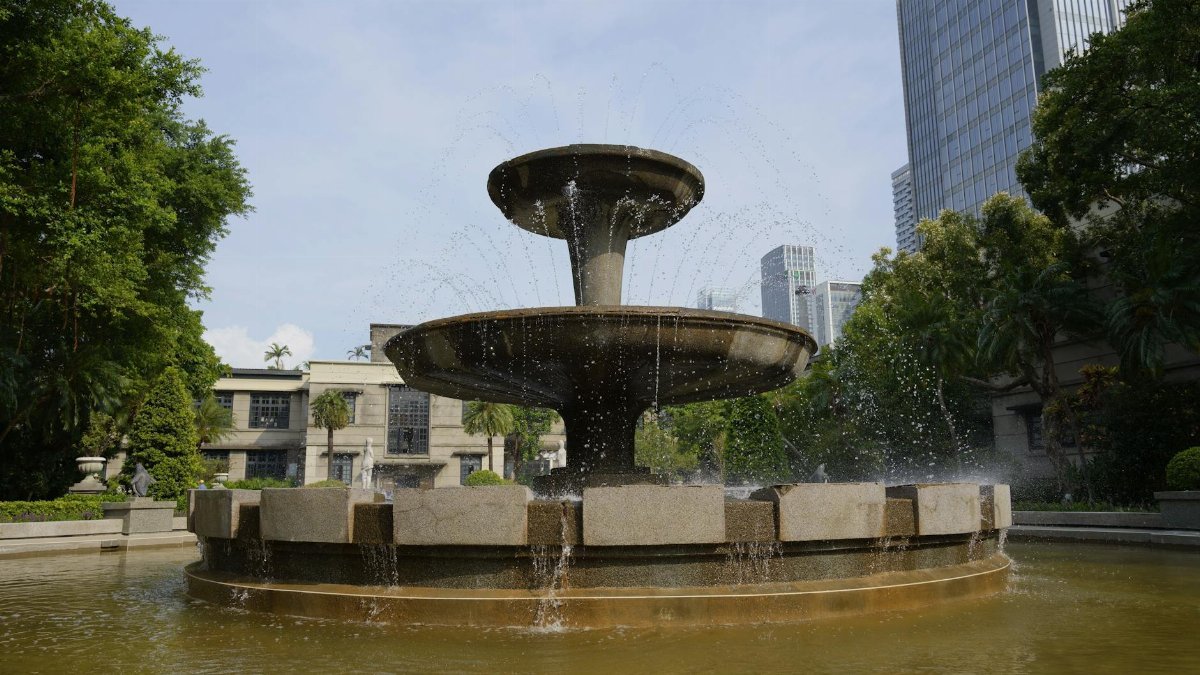
The gentle trickle of a desktop fountain or the cascade of an atrium waterfall provides auditory respite in noisy open-plan layouts. These features evoke riparian scenes, triggering subconscious calm. Acoustic studies indicate water sounds mask disruptive chatter, dropping perceived stress by up to 20 percent. Firms like Google have installed such installations in lounges, where employees linger longer during breaks. This sensory layer of biophilic office design stress reduction proves especially potent for high-pressure creative teams.
Textural and Organic Materials for Tactile Comfort

Beyond visuals, touch plays a pivotal role. Wooden desks, stone accents, and fabric wall coverings ground users in natural tactility, contrasting cold metal and glass. These materials evoke forests and earth, subtly reassuring the nervous system. A Norwegian workplace trial found teams in organic-textured offices logged 12 percent fewer sick days tied to stress-related ailments. Biophilic office design stress benefits extend here, blending functionality with an almost therapeutic feel that lingers through long hours.
Evidence from Pioneering Studies and Surveys

Empirical backing abounds for these trends. A landmark paper in the Journal of Environmental Psychology detailed how biophilic interventions cut absenteeism by 13 percent in a London firm. Similarly, The Guardian’s 2026 feature on the topic highlighted Amazon’s spheres, where spherical conservatories house over 40,000 plants, correlating with elevated employee satisfaction scores. Terrapin’s 2014 report, “14 Patterns of Biophilic Design,” synthesizes global data showing consistent stress declines across demographics. These findings propel biophilic office design stress strategies from niche to necessity.
Case Studies: Companies Thriving with Nature Integration
At Microsoft’s Vancouver campus, biophilic elements like living moss walls and bird-filled atriums have redefined collaboration. Staff surveys post-redesign showed a 30 percent dip in reported anxiety. In Europe, the Edge in Amsterdam, dubbed the world’s greenest building, features rainwater gardens and dynamic facades that adapt to sunlight, fostering a 21 percent productivity boost per Deloitte analytics. These exemplars illustrate scalable biophilic office design stress solutions, inspiring mid-sized enterprises worldwide.
Affordable Ways to Infuse Biophilia into Any Office

Not every budget accommodates rainforests indoors. Start small: desk plants, nature murals, or ergonomic chairs in wood finishes. LED strips simulating daylight cost little and mimic sunrises. Community programs offer loaner greenery, while apps track plant health. HR leaders note these tweaks alone slash biophilic office design stress impacts, with ROI evident in retention rates climbing 10 to 15 percent. Accessibility ensures every workplace can partake.
Navigating Challenges in Biophilic Implementation

Allergies and maintenance daunt some skeptics, yet hypoallergenic species and professional services mitigate risks. Overly ambitious designs can overwhelm, so phased rollouts preserve harmony. Feedback loops from pilot areas refine approaches, ensuring biophilic office design stress relief endures. Experts stress balance: nature enhances, never overshadows, core operations.
The Evolving Landscape of Mindful Work Environments

As remote work wanes, offices reclaim relevance through biophilic innovation. Wellness mandates from insurers incentivize these shifts, projecting a market boom. Visionaries foresee AI-optimized ecosystems, adjusting light and humidity for peak calm. In this trajectory, biophilic office design stress reduction stands as a cornerstone, nurturing not just plants but human potential in an era of unrelenting pace.
By Natasha Weber