
Imagine a routine checkup where a single vial of blood holds the power to unveil hidden cancers lurking years before they announce themselves with pain or fatigue. That vision edged closer to reality this year with the unveiling of a pioneering blood test capable of detecting signals from more than 50 cancer types. Researchers at a leading biotech firm announced results from a landmark trial, showing the test’s ability to identify malignancies with unprecedented sensitivity, even in asymptomatic individuals. This blood test cancer detection breakthrough, detailed in a recent Nature study, hinges on pinpointing fragmented DNA shed by tumors into the bloodstream. For patients and doctors alike, it raises profound questions about prevention, early intervention, and the future of oncology. As trials expand, the medical world watches intently, pondering a shift from reactive care to proactive vigilance.
The Science Powering Multi-Cancer Detection

At its core, this new test scans for cell-free DNA, tiny genetic fragments released by dying cancer cells. Unlike traditional biopsies, which require invasive procedures, it employs machine learning algorithms to distinguish cancerous signals from normal ones. The Nature paper, published online at this link, reports a sensitivity rate above 90 percent for stage I cancers across diverse types, from pancreatic to ovarian. Developers trained the model on thousands of blood samples, refining it to flag patterns unique to malignancy. This approach builds on earlier single-cancer tests but scales dramatically, targeting proteins and methylation markers simultaneously.
From Lab to Clinic: Trial Results That Stun
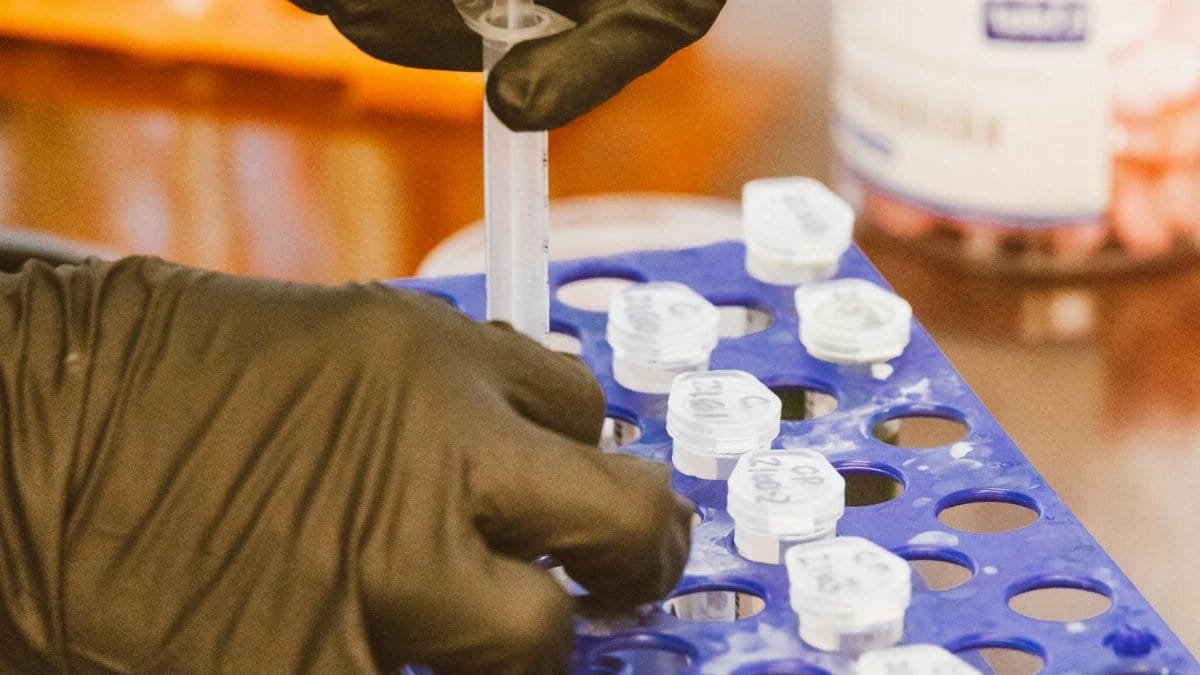
In a study involving over 5,000 participants, the test correctly identified 93 percent of cancers later confirmed by imaging or tissue analysis. False positives remained low at under 1 percent, a critical threshold for widespread adoption. Participants spanned ages 50 to 79, mirroring those at highest risk. Lead investigator Dr. Emily Chen noted in the publication that the test excelled at hard-to-detect cancers like esophageal and liver, where five-year survival rates hover below 20 percent if found late. These findings, validated across ethnic groups, suggest broad applicability in diverse populations.
Comparing to Existing Screening Tools

Current options like mammograms or colonoscopies catch cancers in specific organs but miss others entirely. This blood test cancer detection tool fills that void, offering a pan-cancer panorama from one sample. A colonoscopy detects colorectal issues with 95 percent accuracy but requires preparation and carries risks. In contrast, this draw takes minutes, with results in weeks. Head-to-head analyses in the trial showed it outperforming PSA tests for prostate cancer and rivaling low-dose CT for lung screening in early stages. Yet, it complements rather than replaces these, experts emphasize.
A Game-Changer for High-Risk Groups

For those with family histories or genetic mutations like BRCA, the test provides reassurance or urgent alerts. BRCA carriers face up to 72 percent lifetime breast cancer risk; early blood test cancer detection could slash mortality by enabling preemptive action. Oncologists envision annual screening for at-risk adults, much like cholesterol checks for heart disease. Pilot programs in urban clinics already enroll participants, with early anecdotes of tumors caught at golf-ball size rather than grapefruit.
Challenges in Rolling Out Nationwide

Regulatory hurdles loom large. The FDA fast-tracks review, but full approval demands larger, longitudinal studies tracking outcomes over years. Cost poses another barrier; initial pricing may hit $1,000 per test, though advocates push for insurance coverage akin to Pap smears. Equity concerns arise too, as rural access lags. Developers pledge partnerships with public health systems to bridge gaps, ensuring the technology reaches beyond affluent enclaves.
Patient Stories Emerging from Trials

Take Robert Kline, a 62-year-old accountant from Ohio. His test flagged pancreatic signals; scans confirmed a stage I tumor, surgically removed with clean margins. “I had no idea,” he shared in a follow-up interview. Stories like his multiply, underscoring the emotional weight of asymptomatic discovery. For survivors, it evokes gratitude; for the newly diagnosed, a fighting chance. These narratives humanize the data, illustrating lives redirected from prognosis to cure.
Ethical Questions in Early Detection

Spotting cancer prompts dilemmas: Treat aggressively or monitor? Overdiagnosis risks unnecessary interventions, with side effects like infertility from chemo. Bioethicists debate informed consent, stressing patients weigh benefits against harms. The trial’s counseling protocols offer a model, pairing results with genetic counseling. As adoption grows, guidelines must evolve to safeguard psychological well-being alongside physical.
Global Implications for Cancer Mortality
Cancer kills 10 million annually, per World Health Organization figures. In low-resource nations, late diagnosis dominates; this simple blood test could democratize detection. Partnerships with WHO aim to adapt it for field use in Africa and Asia, where breast and cervical cancers ravage communities. Projections estimate a 30 percent drop in late-stage diagnoses within a decade if scaled, potentially averting millions of deaths.
Future Iterations and Research Frontiers

Version 2.0 eyes 100 cancer types, integrating AI for real-time analysis. Collaborations with pharma firms target companion diagnostics, matching detected cancers to therapies. Longitudinal studies track if early finds truly extend survival, with interim data promising. Researchers also explore prenatal versions for hereditary risks, though years away.
Hope Renewed in the Face of Mortality

Beyond metrics, this blood test cancer detection advance stirs deeper reflections on human fragility. For middle-aged readers navigating careers and families, it symbolizes control reclaimed over an unpredictable foe. Spiritual traditions have long grappled with illness as a call to introspection; modern science now arms us with tools to extend those vital chapters. Oncologists like Dr. Chen frame it as partnership between body and mind, where early knowledge fosters resilience. As this technology permeates clinics, it invites us to embrace prevention not as burden, but as empowerment.
By Chris F. Weber