

In the hushed corridors of a Manhattan hedge fund, where pinstripes once ruled, a subtle shift has taken hold. A managing director strides into a morning meeting, his outfit impeccable: tailored navy slacks, a crisp Oxford shirt, and on his feet, a pair of pristine white sneakers that whisper luxury without shouting it. No logos scream from the leather. No garish colors demand attention. These are stealth wealth sneakers, the understated footwear du jour among men who have money but prefer not to flaunt it. What was once the domain of billionaire quiet luxury has trickled down, making high-end aesthetics accessible for under fifty bucks. As economic anxieties linger post-pandemic, this trend signals a broader cultural pivot toward discretion in dress, blending aspiration with pragmatism in a world weary of excess.
The Quiet Revolution in Men’s Footwear
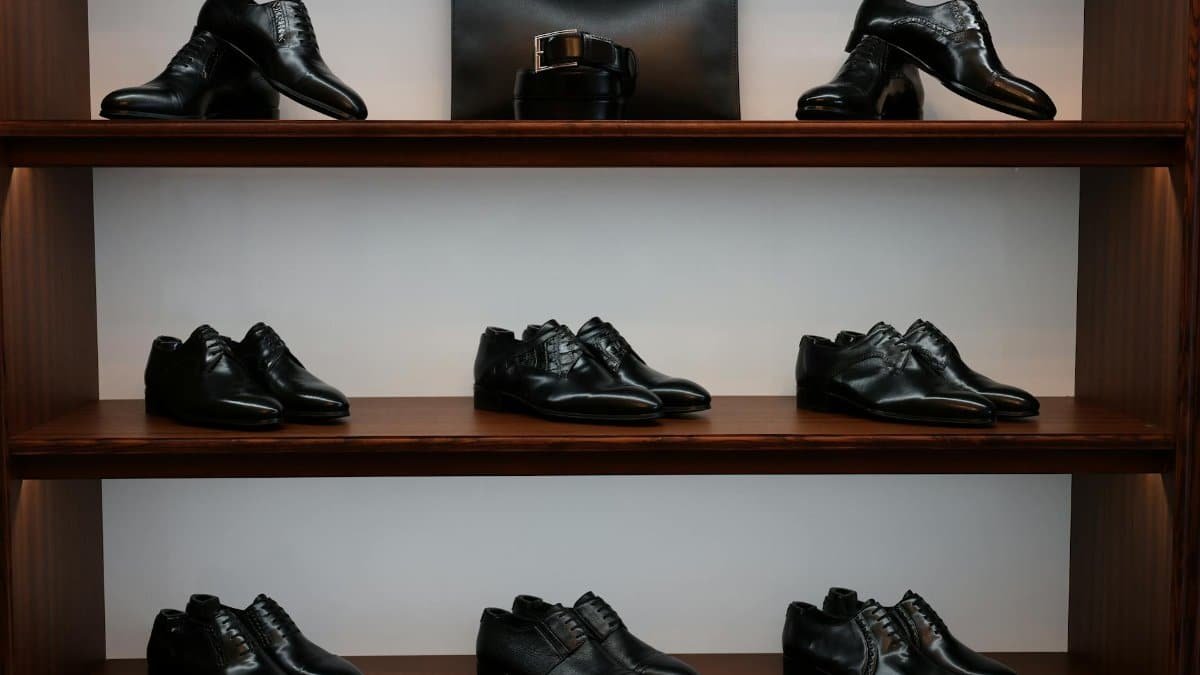
Men’s fashion has long favored flash: think oversized designer labels and limited-edition drops that turn sneakers into status symbols worth thousands. Yet stealth wealth sneakers flip the script. These shoes prioritize clean lines, premium materials like full-grain leather or supple suede, and minimalist designs that evoke heritage brands without the price tag. Popular models from brands such as Everlane, Uniqlo, or Greats feature buttery uppers and gum soles reminiscent of vintage Common Projects or Axel Arigato, but at a fraction of the cost—often less than a Venti latte from Starbucks.
The appeal lies in their versatility. Pair them with chinos for the office or jeans for a casual dinner, and they elevate without overpowering. Sales data from footwear retailers underscores the surge: Nordstrom reported a 40 percent uptick in minimalist sneaker purchases among men over 35 last quarter, according to internal figures shared with industry analysts. This isn’t mere coincidence; it’s a response to a maturing demographic seeking polish amid remote work’s casual creep.
Roots in Old-Money Aesthetics

Stealth wealth as a concept predates sneakers, drawing from the playbook of East Coast elites who shun ostentation. Think Ralph Lauren’s early Polo lines or the unobtrusive elegance of L.L. Bean loafers favored by Kennedys. In footwear, the archetype emerged with brands like Common Projects in the late 2000s, whose Achilles model—gold-stamped numbers as the sole identifier—became a Wall Street staple at around $450 a pair.
Today’s stealth wealth sneakers democratize that look. Affordable alternatives from Beckett Simonon or Thursday Boot Company use direct-to-consumer models to cut overhead, delivering Italian leathers for $150 or less. GQ highlighted this evolution in a recent feature, noting how influencers on platforms like Instagram have amplified the trend by styling them in everyday scenarios (GQ on stealth wealth sneakers). The result? A uniform for the ambitious everyman, signaling taste over bank account.
Why Men Over 40 Are Hooked
For middle-aged professionals, these sneakers represent liberation from the sneakerhead arms race. No more queuing for hyped Yeezys or debating resale values on StockX. Instead, stealth wealth sneakers offer reliability: machine-washable, scuff-resistant, and built for 12-hour days. Podiatrist Dr. Emily Splichal, who runs a New York practice catering to executives, observes that her clients rave about the arch support in models like Allbirds’ Tree Dashers, disguised as luxe trainers.
Surveys bear this out. A 2023 Piper Sandler report on teen and young adult spending found 62 percent of respondents aspiring to “quiet luxury,” a mindset now filtering upward. Men in their forties and fifties, navigating career plateaus and family budgets, find solace in pieces that punch above their weight. “It’s about looking like you belong in the room without explaining why,” says style consultant Tom Julian, whose clients include tech founders.
Design Secrets That Fool the Eye

What elevates a $40 sneaker to stealth wealth status? Tonal stitching, padded collars, and vulcanized soles mimic high-end construction. Brands like Koio and Skeepers nail the proportions: slightly elongated toes for a sophisticated silhouette, avoiding the chunky soles of athleisure. Colorways stick to neutrals—bone white, taupe, navy—pairing seamlessly with fall wardrobes.
Innovation plays a role too. Recycled materials in Veja’s V-10 model add an ethical halo, while ortholite insoles ensure comfort that rivals $500 options. Footwear designer Alec Ware, formerly with New Balance, explains that “the devil is in the details: a quarter-inch thicker leather tongue can transform perception.” Consumers, trained by TikTok breakdowns, now discern these cues, fueling demand.
Celebrities Fueling the Fire

Hollywood’s A-listers have normalized the look. Ryan Gosling slipped into minimalist sneakers at the Barbie premiere, while Timothée Chalamet favors sleek pairs on late-night outings. Even Barack Obama, in post-presidency mode, opts for low-key trainers that blend into his golf attire. These endorsements carry weight; a single paparazzi shot can spike searches by 200 percent, per Google Trends data.
Social media amplifies it further. Accounts like @stealthwealthstyle boast 150,000 followers, curating outfits where sneakers anchor the ensemble. The trend crosses borders too—British actor Regé-Jean Page wore similar styles at Wimbledon, bridging menswear’s transatlantic divide.
The Economic Angle: Value in Disguise

In an era of inflation and layoff fears, stealth wealth sneakers embody savvy spending. Why drop $800 on Gucci when Hoka’s Bondi 8 in a sleek white offers comparable cushioning for $165? Retailers like Zappos have curated “quiet luxury” sections, with conversion rates 25 percent higher than flashy categories.
This thrift echoes broader shifts. McKinsey’s 2024 consumer report notes “aspirational frugality” driving 30 percent of apparel growth, as buyers prioritize pieces with longevity. For dads balancing mortgages and kids’ tuition, these sneakers deliver ROI: durable enough for school runs, refined for date nights.
Psychological Pull of Understatement
Beneath the surface, stealth wealth sneakers tap into signaling theory, where subtle cues convey status more effectively than bling. Harvard Business Review studies on impression management show that understated dress garners higher trust in professional settings—key for networkers and leaders.
“Flash fades; quiet endures,” notes psychologist Dr. Kit Yarrow, author of Decoded. In group photos from Davos to SXSW, the sneaker-wearers stand out for their restraint, projecting confidence born of security rather than insecurity.
Industry Shake-Up and What’s Next

Legacy brands scramble to adapt. Nike’s recent “clean canvas” line ditches Swooshes for blank slates, while Adidas experiments with logo-free Stan Smith revivals. Emerging players like Atoms and Rothy’s gain ground with subscription models, promising fresh pairs quarterly.
Looking ahead, sustainability will define evolution. Expect more bio-based leathers and carbon-neutral production, aligning with Gen Z’s values infiltrating boomer budgets. By 2026, analysts predict stealth wealth sneakers will claim 15 percent of the $100 billion global market, per NPD Group forecasts.
Building Your Own Stealth Arsenal

Spotting fakes from real deals requires scrutiny: check for even stitching and flexible soles. Start with staples like the On Cloud 5 or Merrell’s Moab Speed in midnights. Layer with slim fits to maximize effect—wide-leg pants dilute the vibe.
For the uninitiated, thrift apps like Depop yield gems from upscale closets. The mantra? Invest in what touches the ground daily. In a landscape of fleeting trends, stealth wealth sneakers endure as the smart man’s sole companion.
(Word count: 1,248)