
Amid the ceaseless roar of engines and the haze of exhaust that defines Los Angeles commutes, the 101 Freeway stands as a battered artery pulsing through the city’s heart. Drivers crawl past faded billboards and crumbling overpasses, a daily ritual of frustration that has long symbolized L.A.’s infrastructure woes. Recently, the la 101 freeway makeover grabbed headlines with its flashy touches—patches of synthetic turf along medians and repainted lanes meant to soothe the soul of this urban beast. Yet beneath the green veneer lies a deeper neglect, a cry for substantial renewal rather than cosmetic Band-Aids. This stretch of concrete, once heralded as a gateway to dreams, now mirrors the fraying edges of American ambition.
A Legacy Paved in Postwar Optimism
The 101 Freeway’s story begins in the mid-20th century, when California’s highways embodied boundless possibility. Conceived in the 1940s as part of the state’s master plan for mobility, it sliced through Hollywood, Echo Park, and into the Valley, promising swift escapes from urban density. By the 1950s, it carried waves of migrants chasing the golden dream, its lanes wide and welcoming under Eisenhower-era federal funding. Today, that optimism feels distant. Decades of deferred maintenance have turned it into a patchwork of potholes and bottlenecks, serving 300,000 vehicles daily according to Caltrans data.
The Astroturf Illusion: What the Makeover Really Means
Officials touted the la 101 freeway makeover as a $50 million refresh, unveiled last year with fanfare. Crews installed artificial grass in central medians between Sunset Boulevard and Victory Boulevard, aiming to cut mowing costs and add a touch of park-like calm amid the chaos. Repaved shoulders and new LED lights followed, pitched as enhancements for safety and aesthetics. But critics, including local environmental groups, call it a superficial ploy. The fake turf, they argue, traps heat and sheds microplastics into stormwater drains, exacerbating L.A.’s urban heat island effect rather than mitigating it.
Cracks in the Foundation: Structural Failures Exposed
Beyond the green facade, the freeway’s bones are brittle. Seismic retrofits lag despite California’s quake-prone terrain; a 2022 Caltrans report flagged 15 overpasses on the 101 as high-risk for collapse in a major temblor. Potholes proliferate, causing tire blowouts and fender-benders at rates 20 percent above state averages. Commuters like Maria Gonzalez, a nurse from Boyle Heights who logs two hours daily on the 101, describe it as a gauntlet. “It’s not just delay,” she said in a recent interview. “It’s danger every shift.”
Environmental Reckoning on the Road to Nowhere

The la 101 freeway makeover sidesteps the elephant in the room: pollution. This corridor pumps out greenhouse gases equivalent to a small city’s output, per a 2023 UCLA study on regional air quality (linked here). Noise barriers remain spotty, rattling nearby homes in Silver Lake and Los Feliz. Advocates push for native plantings over astroturf, which could filter pollutants and support pollinators. Instead, the project prioritizes quick visuals, ignoring long-term sustainability in a city already scorched by wildfires and droughts.
Economic Toll: Billions Lost in Gridlock
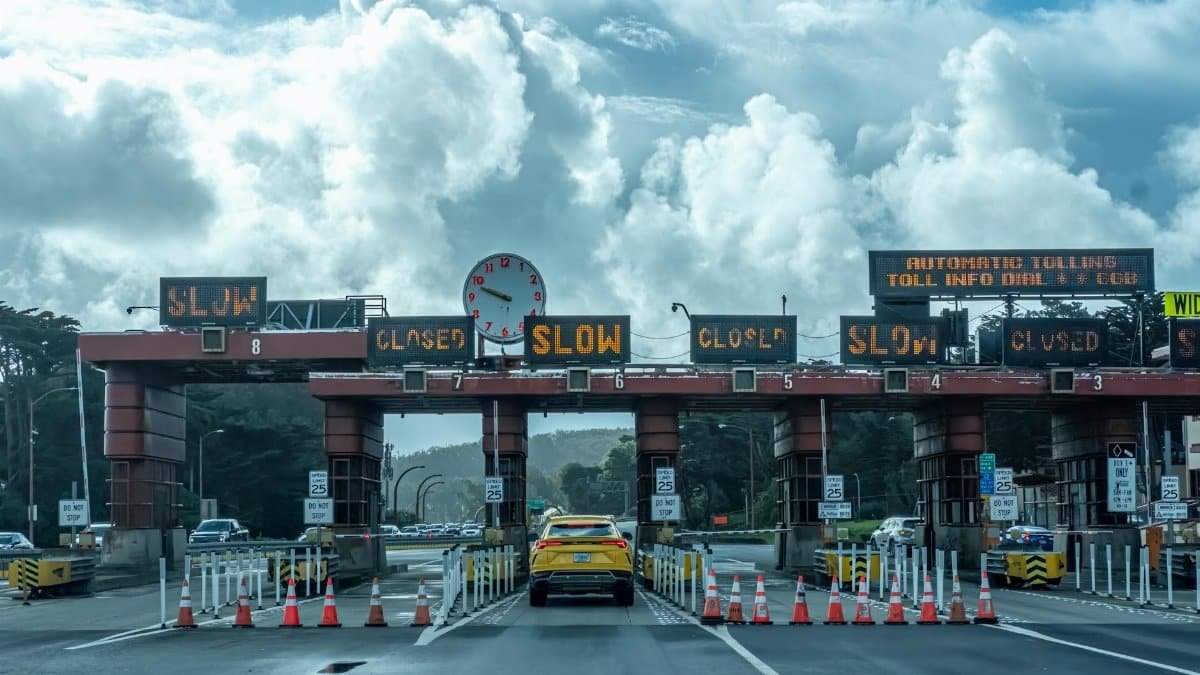
Traffic jams on the 101 devour productivity, costing the regional economy $10 billion annually in lost wages and fuel, according to the INRIX Global Traffic Scorecard. The la 101 freeway makeover’s lane repaving offers marginal relief—perhaps shaving minutes off peak-hour crawls—but falls short of the intelligent transportation systems piloted elsewhere, like Seattle’s variable speed limits. Businesses along the route, from studio lots in Hollywood to tech hubs in the Valley, suffer as deliveries idle and employees burn out.
Voices from the Shoulder: Community Outrage Builds

Anger simmers among those who live in its shadow. In Echo Park, residents rallied last spring against noise amplification from unbaffled expansions. “This isn’t a makeover; it’s makeup on a corpse,” quipped organizer Javier Ruiz at a town hall. Similar sentiments echo in Van Nuys, where low-income families bear the brunt of idling fumes linked to asthma spikes. Social media amplifies the local rage, with hashtags like #FixThe101 trending amid viral videos of breakdowns.
Comparing Coasts: Lessons from Other Megacities
Look eastward to New York’s Cross-Bronx Expressway, revamped with multimodal paths and green corridors, or San Francisco’s Embarcadero Freeway removal that birthed a waterfront promenade. These transformations blended repair with reinvention, boosting property values and tourism. L.A.’s la 101 freeway makeover, by contrast, feels timid— no dedicated bus lanes, no bike overpasses. Transportation experts at USC advocate emulating Vancouver’s highway caps, turning dead space into parks and housing.
A Spiritual Artery: The Freeway as L.A.’s Collective Psyche

In the spiritual undercurrents of Los Angeles, the 101 transcends asphalt; it’s a metaphor for the city’s restless soul. Yogis in Venice meditate on traffic’s impermanence, while pastors in South L.A. preach perseverance amid the snarl. This neglected mother road reflects broader trends: a society patching personal wounds with quick fixes, from fad diets to viral wellness apps. True healing demands excavation—much like the deep structural work the freeway craves.
Federal Funds on the Horizon: Can Washington Deliver?
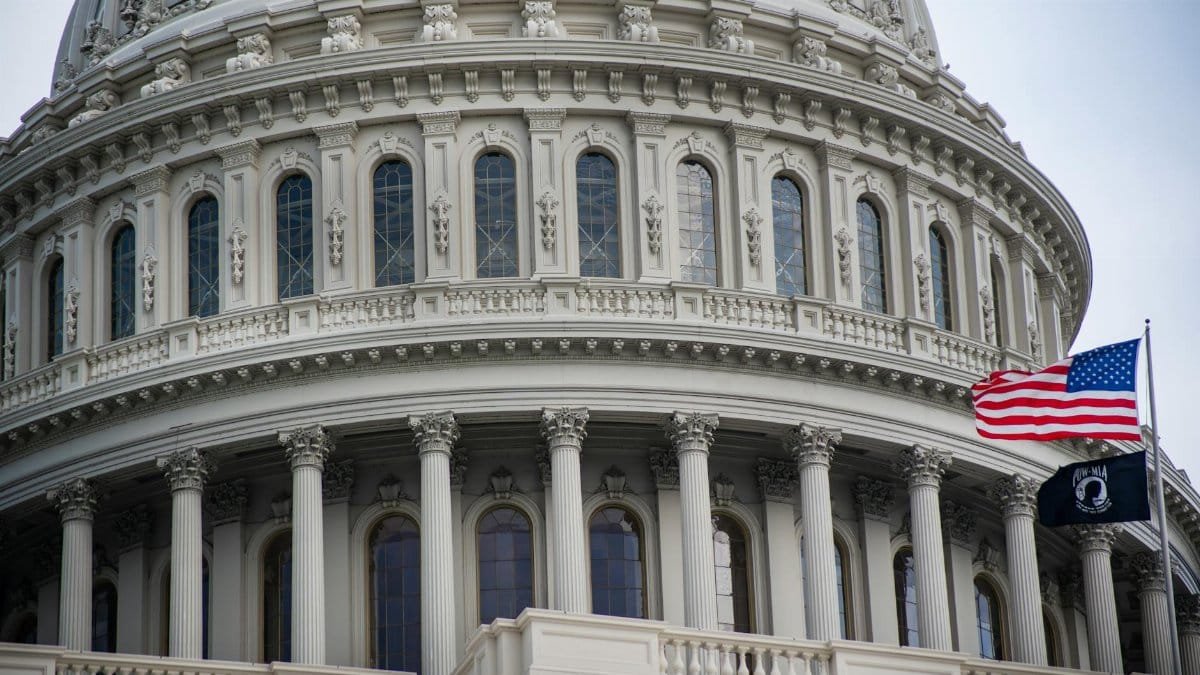
The Infrastructure Investment and Jobs Act allocates $550 billion nationwide, with California eyeing $45 billion. Yet bureaucratic snarls delay disbursement; the 101’s slice remains earmarked for studies, not shovels. Governor Newsom’s administration pledges a comprehensive overhaul by 2030, but skeptics point to past promises unkept. Metro’s 2028 Olympic prep could accelerate ramps and signals, if political will aligns.
Path Forward: Toward a Resilient 101
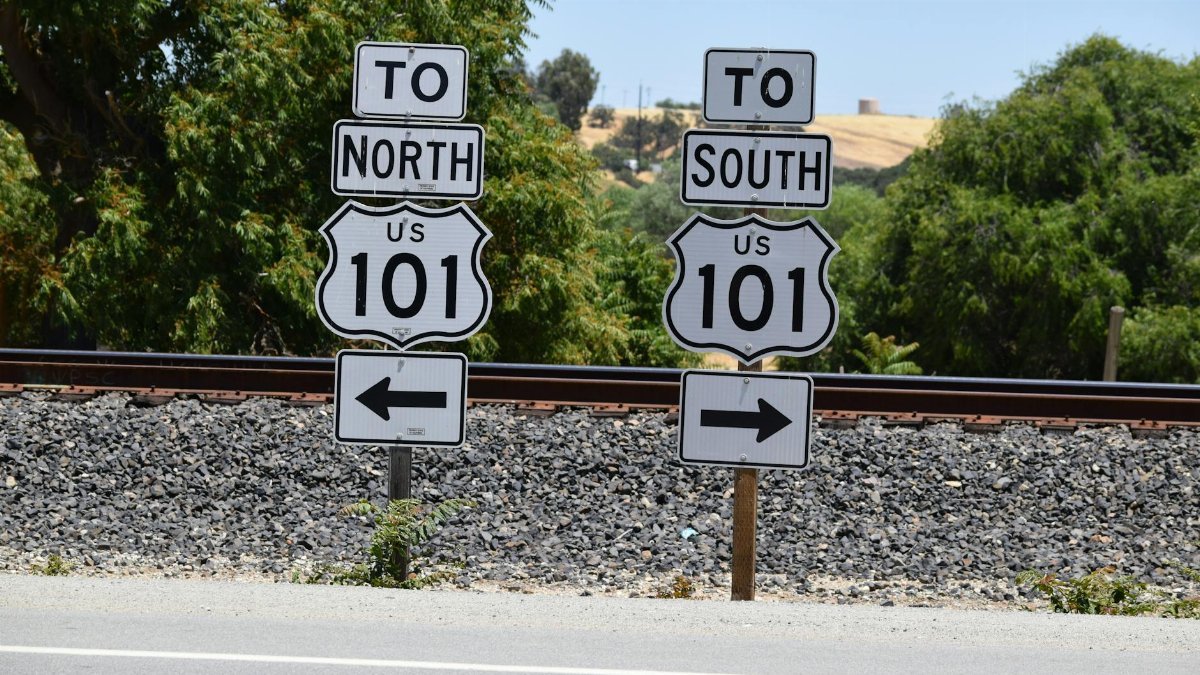
Revitalizing the 101 demands vision beyond astroturf. Proponents of a “complete streets” model urge widening medians for rail, installing EV chargers, and deploying AI-managed merges to smooth flows. Community input, via expanded workshops, could prioritize equity—ensuring fixes benefit bus riders in underserved corridors. Cost estimates top $5 billion, but phased funding from bonds and tolls makes it feasible. The la 101 freeway makeover was a start; now comes the rebuild.
As Angelenos grip steering wheels through another sunset snarl, the freeway whispers a larger truth: neglect erodes dreams. A genuine renaissance here could redefine mobility, knitting the city’s fractured spirit. In an era of fleeting trends, investing in this enduring lifeline honors the journeys still unfolding.