
In the frozen expanse of Siberian permafrost, where temperatures plunge below minus 50 degrees Celsius, a team of French scientists unearthed something straight out of science fiction. Drilling into ice that has remained locked away for 48,000 years, they extracted a virus capable of infecting living cells decades after its revival. Dubbed an ancient zombie virus for its ability to spring back to life from apparent death, this microbe from the genus Pandoravirus poses chilling questions about what else lurks in melting Arctic soils. As global warming accelerates the thaw, the discovery serves as a stark reminder of natures hidden arsenal.
Unearthing the Frozen Relic
The expedition began in 2019 near the Kolyma River in northeastern Siberia, a region notorious for its vast permafrost layers. Researchers from the National Center for Scientific Research in France, led by Jean Michel Claverie, sifted through soil samples contaminated by microscopic fossils. Among them was a particle preserved in the crystal lattice of ice, its genetic material intact despite millennia of subzero isolation. Published in Nature, the study detailed how this virus, named Pithovirus sibericum, infected amoebas in a lab setting, replicating with vigor. It marked the first verified revival of a giant virus from prehistoric permafrost, shattering assumptions about microbial dormancy.
The Science of Zombie Viruses
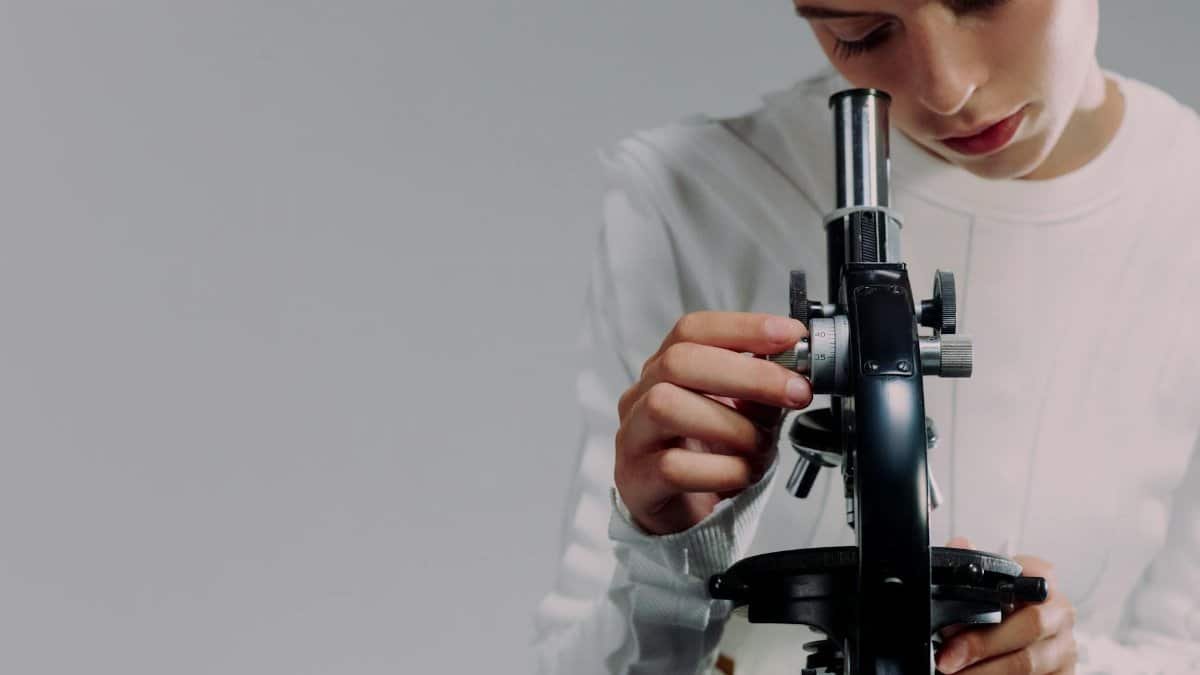
These so called zombie viruses earn their moniker not from Hollywood tropes but from their resilience. Unlike typical viruses that degrade quickly outside a host, giants like Pithovirus boast large genomes encased in tough protein shells, allowing them to withstand extreme conditions. Measuring up to 1.5 microns long, they dwarf influenza viruses by a factor of 30. The ancient zombie virus in question predates modern humans, originating from an era when woolly mammoths roamed. Its revival involved thawing samples under sterile conditions and observing infection under microscopes, a process that took painstaking months.
Permafrost as a Viral Vault
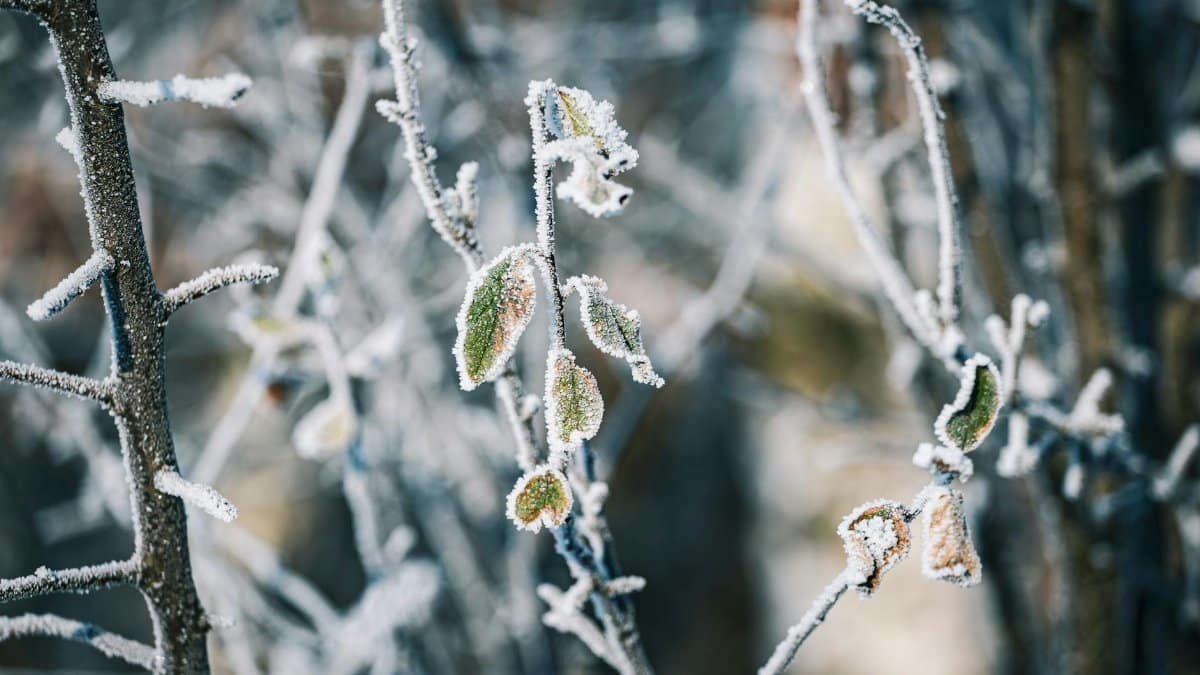
Siberia holds about a quarter of the worlds permafrost, a frozen blanket spanning 24 million square kilometers. Beneath it lie remnants of ancient ecosystems: bacteria, fungi, and now confirmed viruses from the Pleistocene. Climate models predict that by 2100, up to 40 percent of this permafrost could thaw due to rising temperatures, releasing trapped pathogens. Virologist Marion Koopmans of Erasmus University Medical Center warns that while human infections remain hypothetical, the risk grows with each melt season. Already, anthrax outbreaks in reindeer herds trace back to thawed carcasses, hinting at broader threats.
Historical Echoes of Ancient Pathogens
Reviving ancient microbes is not entirely new. In 2014, scientists coaxed bacteria from 30,000 year old permafrost to grow, but viruses presented steeper challenges due to their dependence on host cells. The ancient zombie virus breakthrough builds on that, using amoebas as proxies since it does not target mammals. Yet parallels exist with the 1918 Spanish flu, whose victims DNA yielded viable virus samples decades later. These feats underscore a paradox: scientific curiosity unlocks doors that nature sealed for safety.
Climate Change Accelerates the Thaw
Global temperatures have warmed Arctic regions four times faster than the planetary average, turning permafrost from solid to sludge. Satellite data from NASA shows lakes forming where tundra once stood, bubbling with methane and who knows what else. The ancient zombie virus revival coincides with record melts in 2023, when Siberia saw summer heat waves push permafrost depths to unfrozen levels. Environmental groups like Greenpeace frame this as a ticking biological time bomb, urging international monitoring akin to nuclear nonproliferation treaties.
Potential Pandemic Pathways
Could an ancient zombie virus spark the next plague? Experts caution against panic but acknowledge vulnerabilities. Modern humans lack immunity to extinct pathogens, and global travel amplifies spread. The World Health Organization now tracks permafrost thaw as an emerging risk factor, alongside zoonotic jumps. In lab tests, the Siberian virus showed no toxicity to humans, but its relatives in the mimivirus family have triggered rare pneumonias. Genetic sequencing revealed adaptations that might evade vaccines, prompting calls for a permafrost pathogen archive.
Debates in the Scientific Community
Not all researchers embrace the zombie label, fearing it sensationalizes real science. Claverie himself prefers giant virus to underscore their uniqueness. Critics question the viruss viability claims, demanding replication by independent labs. A commentary in The Lancet argued that amoeba specific viruses pose minimal human threat, shifting focus to bacteria like those causing tularemia. Still, the discovery has galvanized funding for Arctic virology, with the European Union allocating millions for surveillance networks.
Implications for Global Health Preparedness
Beyond Siberia, similar vaults exist in Greenland and Alaska, where indigenous communities report unusual illnesses tied to thawing lands. Public health strategies now incorporate permafrost monitoring, integrating it with flu surveillance. Pharmaceutical giants like Moderna eye ancient viruses for vaccine tech insights, given their robust structures. Yet ethicists debate the wisdom of deliberate revivals, weighing knowledge gains against accidental release risks. As one permafrost ecologist put it, we are playing archaeologist in a library of plagues.
Spiritual Shadows Over Science
In an age of existential dread, the ancient zombie virus stirs deeper reflections. For some, it evokes biblical plagues or apocalyptic prophecies, a divine warning against hubris in tampering with creation. Religious leaders in evangelical circles draw parallels to Revelations seals, urging repentance amid environmental sins. Even secular observers sense cosmic irony: humanitys fossil fuel legacy awakening prehistoric curses. While science demurs, the narrative resonates in spiritual news circles, blending empirical caution with metaphysical unease.
Safeguards for a Warming World
Mitigation demands multilateral action. Russia, home to most permafrost, partners with France on early warning systems, deploying drones to sample melt pools. International protocols, modeled on the Biological Weapons Convention, could classify high risk revivals. Individuals contribute by supporting carbon reduction, as stabilizing temperatures slows the thaw. Innovations like cryogenic storage for samples offer controlled study without field risks. The ancient zombie virus, for all its menace, illuminates paths to vigilance.
As permafrost recedes, the line between past and present blurs. This Siberian find compels us to confront not just microbial ghosts but our stewardship of a fragile planet. In the quiet drama of revival, science reveals natures enduring secrets, urging wisdom before the next awakening.