

In the shadow of Los Angeles City Hall, where palm trees sway against a smoggy skyline, a single survey has ignited a firestorm in the city’s political corridors. The latest la mayor race poll, released amid whispers of methodological flaws, places progressive councilmember Nithya Raman ahead of incumbent Mayor Karen Bass by a slim but symbolically potent margin. Conducted by a firm with a history of polarizing results, this snapshot captures a city grappling with homelessness, crime and budget woes. For Bass, seeking re-election in 2026, the numbers signal trouble; for Raman, they offer validation of her grassroots insurgency. As campaigns scramble to respond, the poll underscores deepening fault lines in a metropolis long defined by reinvention.
The Poll That Shook City Hall
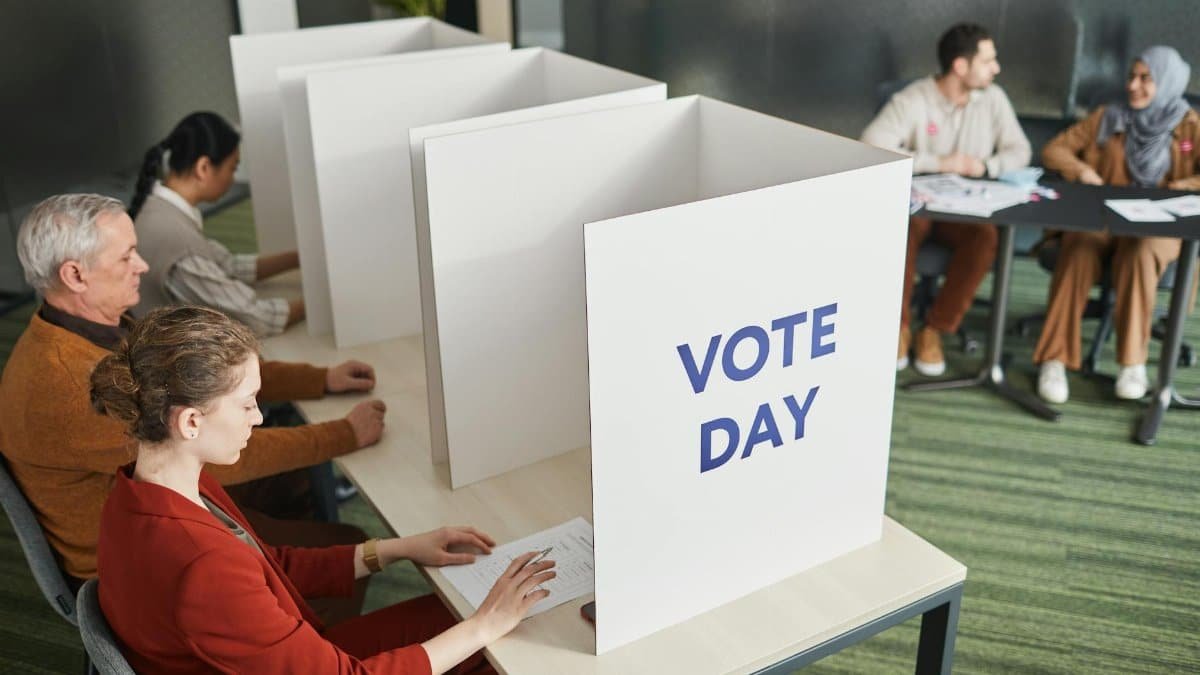
Details of the la mayor race poll emerged late last week, courtesy of SurveyLA, a polling outfit known for its unorthodox sampling techniques. Raman leads with 42 percent to Bass’s 38 percent among likely voters, with the remainder undecided or backing lesser-known challengers. Critics, including Bass allies, pounced immediately, questioning the poll’s oversampling of progressive neighborhoods like Silver Lake and Echo Park. Supporters counter that it reflects genuine shifts in public mood. Polling director Elena Vasquez defended the methodology in a statement, noting a margin of error of plus or minus 4.2 percent. Still, the controversy has amplified its impact, dominating local talk radio and social feeds.
Nithya Raman’s Meteoric Trajectory

Raman, elected to the City Council in 2020 as part of a socialist wave, has positioned herself as a fierce critic of Bass’s pragmatic governance. Her campaign emphasizes rent control expansions, police reform and green initiatives, resonating with younger voters and renters. Recent town halls in the San Fernando Valley drew overflow crowds, where she railed against developer influence. A former organizer with the L.A. tenants union, Raman’s authenticity shines through in unscripted moments, like her viral confrontation with a housing lobbyist last month. This poll marks her first lead in a head-to-head matchup, fueling speculation of a viable upset.
Karen Bass’s Incumbency Blues

For Bass, a former congresswoman who clinched the mayoralty in 2022 by uniting moderates and progressives, the la mayor race poll arrives as an unwelcome jolt. Her administration touts progress on fire department reforms and tourism recovery, yet persistent encampments downtown and a spike in burglaries have eroded goodwill. A recent audit revealed $1.2 billion in unallocated funds, sparking accusations of fiscal drift. Bass responded to the poll with a measured email to supporters, highlighting endorsements from labor unions and Sheriff Robert Luna. Privately, aides admit the numbers sting, prompting a reevaluation of attack ads planned for Raman’s record on street safety.
Voter Sentiments on the Ground
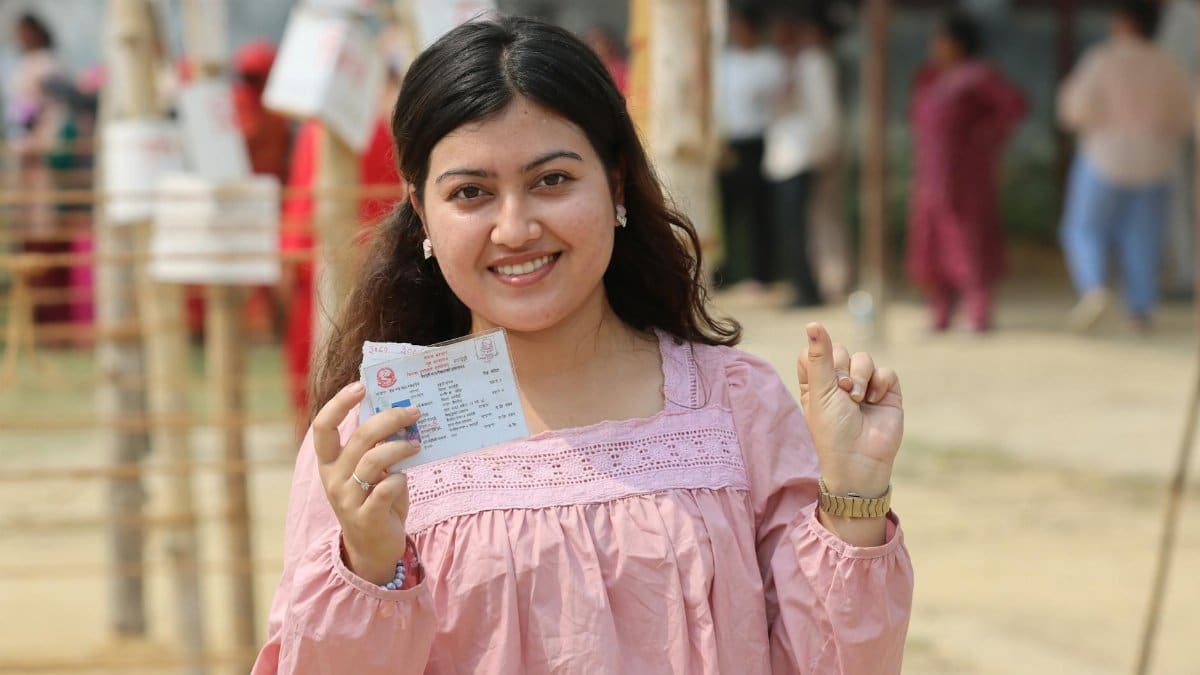
Door-to-door canvassing in diverse precincts reveals a city divided. In South L.A., where Bass’s roots run deep, older Black voters express loyalty but frustration over slow homelessness abatement. “She promised Inside Safe, but tents are still everywhere,” said Maria Gonzalez, a retiree in Watts. Echo Park progressives, meanwhile, praise Raman’s no-compromise stance. A focus group commissioned by the Los Angeles Times echoed the poll’s tilt, with women under 45 breaking heavily for Raman on affordability issues. These micro-trends suggest the la mayor race poll may not be an outlier.
Demographic Fault Lines Exposed

Breakdowns from the survey illuminate stark divides. Latinos, comprising 48 percent of likely voters, split evenly, swayed by Bass’s community policing push but drawn to Raman’s immigrant rights advocacy. Asian Americans lean Raman by 12 points, citing her support for small business relief post-riots. White voters in the Westside favor Bass narrowly, valuing her national profile. Undecideds, clustered among Gen Z and independents, hold the key; their drift toward Raman correlates with TikTok activism on climate and housing. Analysts predict these gaps will widen as attack pieces proliferate.
Fundraising Frenzy and Big Money

Money trails tell another story. Bass’s war chest exceeds $8 million, bolstered by Hollywood donors and real estate PACs. Raman counters with small-dollar hauls totaling $4.2 million, shunning corporate cash. The poll spurred a 300 percent donation spike for her campaign in 48 hours, per FEC filings. Bass matched it with a star-studded fundraiser featuring Barack Obama, netting $1.5 million. Yet Raman’s volunteer army, numbering 15,000, gives her an edge in voter contact, a factor polls often undervalue.
Endorsements as Battleground

Proxy wars rage over nods from power brokers. Bass boasts the Los Angeles Police Protective League and SEIU, traditional kingmakers. Raman secured the Democratic Socialists of America and teachers union, mobilizing boots on the ground. Neutral heavyweights like the Chamber of Commerce watch warily, their silence louder than words. A key defection: former Bass ally Councilman Mike Bonin, now backing Raman for her environmental zeal. These alignments mirror the la mayor race poll’s progressive surge.
Historical Echoes in L.A. Politics

Los Angeles mayoral contests rarely see incumbents fall, but precedents exist. Tom Bradley’s 1980s dynasty crumbled amid recession woes; Eric Garcetti exited term-limited but bruised. Bass’s 2022 squeaker over Rick Caruso set a low bar for challengers. Raman evokes Antonio Villaraigosa’s outsider energy, blending charisma with policy wonkery. Historians note that polls two years out, like this one, often presage volatility, as seen in Bass’s own come-from-behind victory.
Campaign Strategies Under the Microscope

Bass plans a negativity blitz, spotlighting Raman’s votes against budget hikes for LAPD overtime. Raman retorts by framing Bass as beholden to donors, vowing a “people’s budget.” Debates loom in June, where podium dynamics could sway the la mayor race poll’s undecideds. Both camps eye absentee ballots early, targeting Venice’s tech bros and Boyle Heights families. Digital ads, already flooding Instagram, test messages on crime versus equity.
Broader Implications for California

A Raman win would ripple statewide, energizing Berkeley-style progressives eyeing Sacramento. Bass’s survival bolsters the Democratic establishment against Trump-era backlash. National eyes, from DNC strategists to Fox News, fix on L.A. as a bellwether for urban governance post-pandemic. Housing costs, now averaging $1.1 million per home, amplify the stakes; the victor shapes billions in Measure ULA revenue.
Expert Takes on Poll Credibility

Polling guru Nate Silver, in a Substack post, pegged the survey’s reliability at 65 percent, citing SurveyLA’s track record. UC Berkeley’s David Shor warned of “enthusiasm gaps” favoring insurgents like Raman. Local sage Raphael Sonenshein, author of Los Angeles: The End of the Rainbow, predicts a tightening race: “Incumbents rebound, but not always.” Skeptics urge caution, noting past bombs like the 2021 recall flop.
Paths Forward and Wild Cards
For Bass, redemption lies in deliverables: clearing skid row by summer, unveiling a deficit plan. Raman must broaden appeal, courting moderates wary of her tax-the-rich rhetoric. Wild cards include a potential Caruso redux or federal aid for wildfires. As the la mayor race poll fades from headlines, sustained fieldwork will decide November’s verdict. In L.A., where dreams collide with concrete, the race embodies the city’s restless soul.
Chris F. Weber covers California politics from Los Angeles.