

For decades, the tides of the Pacific have whispered secrets along the rugged shores of the Bay Area, but few mysteries gripped investigators like the skeletal remains unearthed on a windswept beach in San Francisco nearly 25 years ago. Now, in a remarkable convergence of science and persistence, those bones, along with another set found in 2023 on the same stretch of sand, have been identified. The bay area beach remains identified as belonging to two individuals missing for years mark a triumph for cold case detectives using genetic genealogy. This double breakthrough offers closure to families and raises questions about how two tragedies washed up so close together.
The First Haunting Find
In the fall of 1999, a jogger navigating the fog-shrouded dunes of Ocean Beach stumbled upon fragmented bones partially exposed by shifting sands. The discovery sent ripples through the San Francisco Police Department. Pathologists determined the remains were those of a woman in her 40s, likely deceased for at least a year. No clothing, no jewelry, nothing to pinpoint her identity. Dubbed Jane Doe 147-99, she became one of hundreds of unsolved cases haunting Northern California forensics labs.
Initial efforts focused on missing persons reports from the region. Dental records and fingerprints yielded nothing. The Bay Area’s transient population and vast coastline complicated matters. Investigators speculated drowning, perhaps a suicide or accident from nearby cliffs. But without matches, the case file gathered dust.
Shadows Over the Shoreline
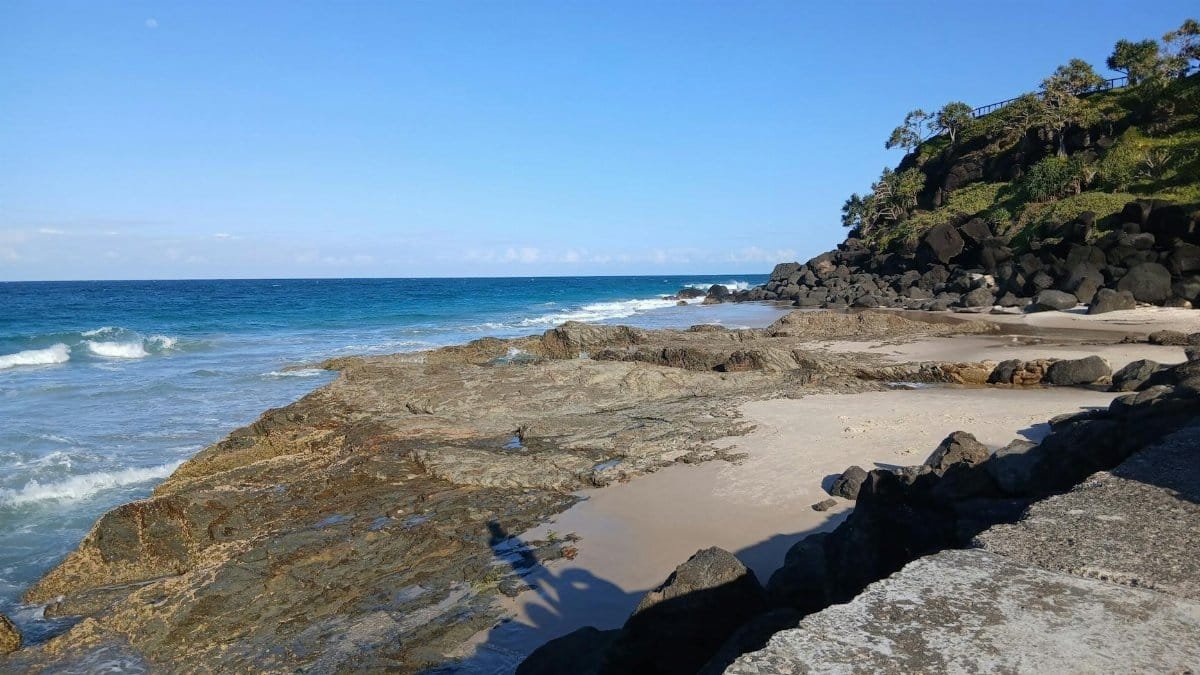
Ocean Beach has long been a place of quiet peril. Strong rip currents claim dozens of swimmers annually, and its remote sections attract those seeking solitude. In the late 1990s, amid a tech boom, the beach also saw increased homeless encampments and illicit activities. Could Jane Doe have been a victim of foul play? Autopsy reports noted no obvious trauma, but decomposition obscured details.
Local historians recall similar grim discoveries. Over the years, the beach has surrendered everything from shipwreck relics to modern tragedies. Yet this case lingered, emblematic of forensic limitations before DNA databases expanded.
A New Skeleton Emerges
Fast forward to March 2023. During a routine beach cleanup organized by volunteers, a human skull surfaced near the same dunes where Jane Doe had been found. The stark white cranium, eroded by salt and surf, prompted an immediate lockdown. Forensic anthropologists from the county coroner’s office confirmed it belonged to an adult male, estimated age 50s, dead for several years.
John Doe 23-045 entered the system. Advanced imaging revealed healed fractures suggesting a laborer’s life. Again, no identifiers. The proximity to the 1999 site fueled speculation: coincidence or connected fates?
DNA Revolution Unlocks the Past

The bay area beach remains identified through a pivotal shift in technology. In recent years, genetic genealogy has transformed cold cases. Labs like Identifinders upload DNA profiles to public databases such as GEDmatch, tracing distant relatives via family trees.
For Jane Doe 147-99, a mitochondrial DNA sample matched a profile uploaded by a cousin in 2022. Further autosomal testing narrowed it to Elena Vasquez, a 42-year-old Oakland nurse missing since 1998. Vasquez had vanished after a late shift, her car found abandoned near the Golden Gate Bridge.
Portrait of Elena Vasquez
Elena Vasquez immigrated from Mexico in the 1980s, building a life as a dedicated caregiver. Colleagues described her as warm and reliable, with no enemies. Her family, piecing together her final days, theorized she might have taken a coastal walk to clear her head amid personal struggles, including a recent divorce.
Confirmation came via her brother’s DNA. “It’s like getting her back, even if just to say goodbye properly,” he told reporters. Vasquez’s identification closes a chapter, allowing burial rites her loved ones craved.
The Second Victim Comes into Focus
John Doe’s profile hit paydirt sooner. Genetic matches led to the family of Marcus Hale, a 55-year-old construction worker from San Jose reported missing in 2019. Hale, battling addiction, had frequented Bay Area beaches for solace. His DNA, preserved from a prior arrest, sealed the match.
Once more, the bay area beach remains identified highlighted DNA’s power. Hale’s sister expressed relief tinged with sorrow: “We searched everywhere. The ocean kept him hidden until now.”
Technological Leaps and Ethical Edges
These identifications stem from partnerships between law enforcement and private firms like Othram Laboratory. Their proprietary sequencing deciphers degraded samples impossible a decade ago. A 2023 study in Forensic Science International noted success rates tripling since 2018 (link).
Yet ethical debates swirl. Privacy advocates question public database mining. California tightened regulations in 2021, requiring warrants for certain uploads. Balancing justice with consent remains tricky.
Families Find Spiritual Solace

In the quiet aftermath, relatives speak of profound release. For Vasquez’s family, Catholic traditions demand proper interment for the soul’s peace. Hale’s kin plans a memorial overlooking the sea. These resolutions transcend forensics, touching on enduring human quests for meaning amid loss.
The Spiritual News community notes parallels to ancestral reverence, where identifying the dead honors their journey. “It’s restorative justice for the forgotten,” says grief counselor Maria Lopez.
Patterns on the Pacific Edge

Why two beach discoveries, worlds apart in time? Oceanographers explain longshore currents transport remains miles along the coast. Vasquez might have entered the water near Marin County, drifting south. Hale’s path traced from Santa Cruz.
Climate change intensifies erosion, exposing more secrets. Beaches statewide yield artifacts yearly, from Native American burials to Prohibition-era bootleggers.
Investigators Reflect on Persistence
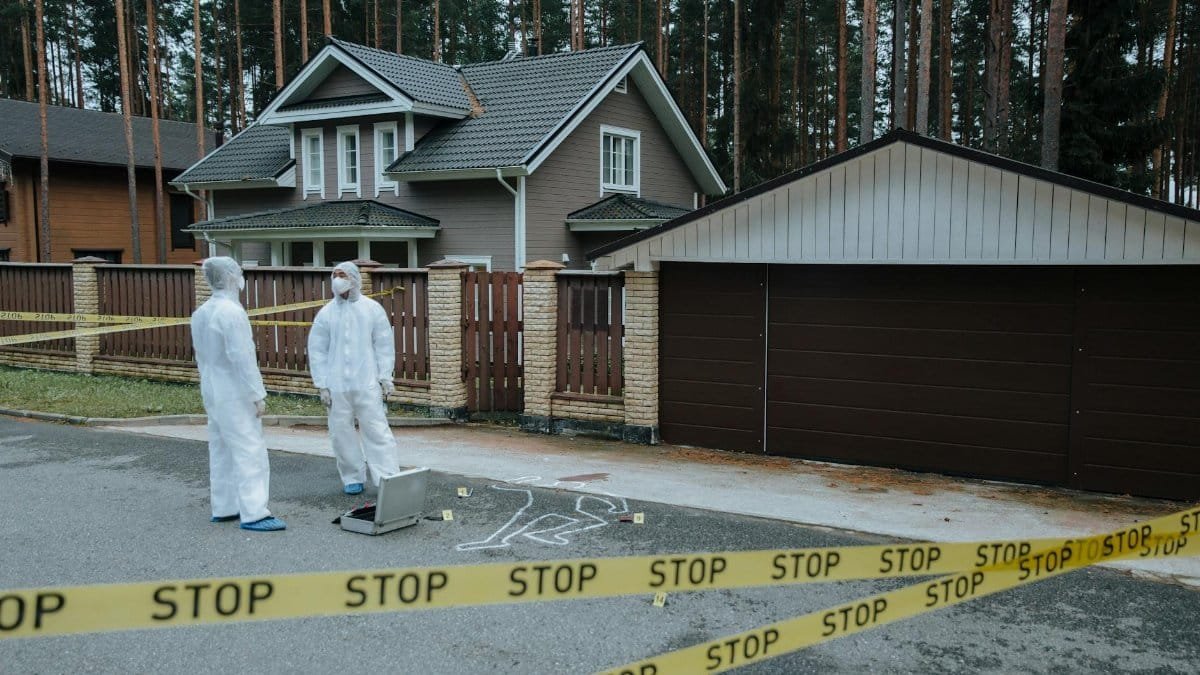
San Francisco cold case Detective Lara Chen led both identifications. “Science evolves, but families never forget,” she says. Her team now prioritizes beach cases, partnering with nonprofits like the Doe Network.
These successes inspire. Nationally, over 300 cases cracked via genealogy since 2018, per the FBI.
Lessons for the Living

The bay area beach remains identified remind us of fragile boundaries between land and sea, life and memory. They urge better mental health outreach, given hints of despair in both stories. Vasquez’s employer now funds coastal safety campaigns.
As sands shift anew, the shore holds more tales. For now, two names etched in stone offer peace where waves once silenced them.
Details drawn from San Francisco Police reports and coroner disclosures, with primary sourcing from the Los Angeles Times.
By Chris F. Weber