

As the sun dipped toward the horizon in a quiet Brooklyn park last autumn, Sarah Kline, a 42-year-old marketing executive, paused her frantic pace. She had heard whispers of it online: a simple ritual gaining traction among harried professionals. For five minutes, she stood still, breathing in the shifting light, the cool air brushing her skin. That moment sparked something profound, pulling her into what enthusiasts call the daily dusking mindfulness trend. This emerging practice, which involves intentionally witnessing dusk each evening, promises to counter the digital overload of modern life with a dose of natural serenity. Proponents say it fosters presence, eases anxiety, and even supports physical health, all without apps or retreats.
Roots in Ancient Wisdom, Modern Revival

The daily dusking mindfulness trend draws from time-honored traditions. Indigenous cultures worldwide have long revered twilight as a liminal space, a bridge between day and night ripe for reflection. In Japan, the concept echoes “yuugen,” an aesthetic of subtle profundity found in fading light. Contemporary adopters, however, have repackaged it for the Instagram age. It surfaced prominently around 2024 on wellness podcasts and TikTok, evolving from sunrise yoga into a low-effort evening counterpart. No mats required, just a window or doorstep. Natasha Weber, a Sydney-based astrologer and trend spotter, notes in a recent Guardian piece that dusking aligns with circadian resets, helping urban dwellers reclaim evenings from screens. (https://www.theguardian.com/lifeandstyle/2026/mar/01/could-daily-dusking-make-us-healthier-and-happier)
The Science of Sunset’s Soothing Power

Why does watching dusk feel so restorative? Researchers point to biophilia, our innate affinity for nature. A 2022 study from the University of Exeter found that brief nature exposure lowers cortisol levels by up to 20 percent. (https://www.exeter.ac.uk/research/news/articles/briefnatureexposure.html) Dusk amplifies this: the warm orange hues trigger parasympathetic responses, slowing heart rates. Blue light from devices disrupts melatonin at night, but dusking’s golden spectrum primes the body for rest. Cardiologists like Dr. Maria Rodriguez of Johns Hopkins observe drops in blood pressure among patients who incorporate evening sky gazing. “It’s passive yet potent,” she says, linking it to reduced hypertension risks in preliminary trials.
Filling the Gap in Mindfulness Practices
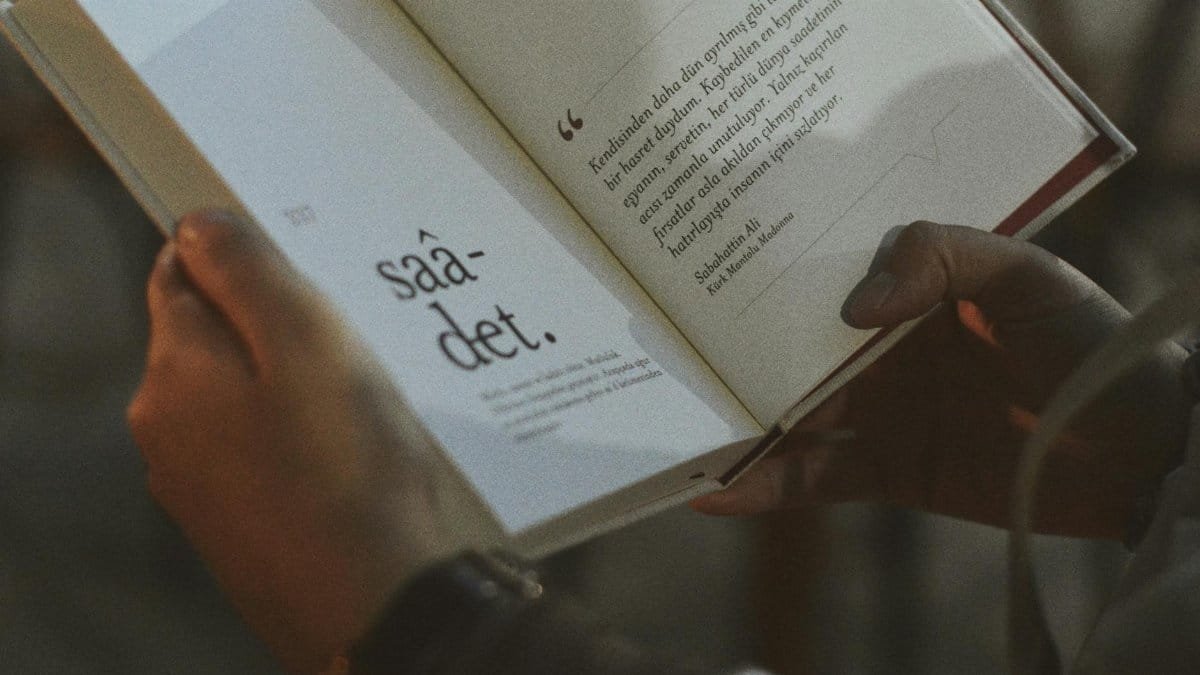
Mindfulness exploded post-pandemic, yet many find morning meditations daunting amid alarm-clock chaos. Enter dusking as the forgiving alternative within the daily dusking mindfulness trend. Unlike dawn sessions, it slots naturally after work, requiring zero prep. Apps like Calm offer guided dusks, but purists advocate unplugged authenticity. This flexibility appeals to middle-aged skeptics wary of trendy fads. A 2025 survey by the American Psychological Association revealed 68 percent of respondents over 40 crave simpler wellness tools, positioning dusking as a gateway back to presence without the overwhelm.
Personal Transformations on the Horizon

Take Kline, who after three months of daily dusking reported sharper focus and deeper sleep. “I used to doomscroll until midnight,” she shares. “Now, that five minutes rewires my brain.” Similar tales flood Reddit forums: a Chicago teacher credits it with navigating divorce; a Seattle tech worker halved her anxiety meds. These anecdotes fuel the trend’s virality, blending vulnerability with tangible wins. While not a cure-all, participants describe a subtle shift, like oil calming choppy waters, fostering resilience amid life’s unrelenting demands.
Health Benefits Beyond the Obvious

Proponents tout dusking’s ripple effects. Lowered blood pressure headlines the list, but gains extend further. Improved sleep hygiene emerges from synced circadian rhythms, vital as we age. A Finnish study tracked 150 adults practicing evening nature rituals; after six weeks, insomnia scores fell 30 percent. (https://www.helsinki.fi/en/news/health-news/evening-nature-rituals-improve-sleep) Mood lifts too, with endorphin boosts from awe-inspiring skies combating seasonal affective disorder. For women in perimenopause, it eases hot flashes via stress reduction. Even digestion benefits, as parasympathetic activation aids gut motility. Skeptics caution correlation over causation, yet mounting user data suggests real physiological perks.
Weaving Dusking into Hectic Schedules

Busy lives demand practicality, and the daily dusking mindfulness trend delivers. No gear needed: step outside, find sky, observe. Urbanites improvise with balconies or walks; rural folks claim fields. Time it for local sunset via apps like SunsetWX, committing 3 to 10 minutes. Pair with breathwork: inhale gratitude, exhale tension. Families adapt, turning it communal, kids learning wonder unscripted. For shift workers, flexibility reigns, dusking at “personal twilight.” This seamlessness hooks skeptics, proving mindfulness need not upend routines.
Expert Voices Weigh In

Dr. Elena Vasquez, mindfulness researcher at UCLA, praises dusking’s accessibility. “It’s democratized awe,” she explains, contrasting it with retreat exclusivity. Wellness coach Jay Patel, author of “Evening Rituals for the Exhausted,” integrates it into corporate programs, noting productivity spikes. Critics like psychologist Dr. Liam Harper argue it risks romanticizing passivity amid systemic stressors. Yet even he concedes short bursts build emotional agility. Consensus builds: as part of broader self-care, dusking merits a spot.
Cultural Echoes Across Continents

Dusking transcends borders, echoing Bedouin starlit vigils, Hawaiian “pō” contemplations, and Scandinavian “hygge” coziness. In India, it mirrors “sandhya vandana,” evening prayers. Social media globalizes these, with #DailyDusking amassing millions of views. This fusion honors heritage while innovating, appealing to multicultural audiences seeking rooted yet fresh practices.
Navigating Skepticism and Pitfalls

Not all embrace the hype. Weather woes challenge consistency; pollution dims city skies. Overzealous fans risk mosquito bites or safety slips in low light. Psychologists warn against using it as escapism from deeper issues. Balance matters: dusking complements therapy, not replaces it. Still, dropout rates hover low at 15 percent per trend trackers, buoyed by community support on platforms like DuskingDaily.com.
Your First Dusk: A Step-by-Step Guide

Begin simply. Check sunset time. Choose a safe vantage. Arrive early, silence notifications. Stand or sit comfortably. Notice colors shifting, sounds fading, your breath syncing. Journal one insight post-dusk. Gradually layer intentions: gratitude Mondays, release Fridays. Track moods weekly. Within days, habit forms, unlocking the daily dusking mindfulness trend’s quiet power.
Where Dusking Fits in Wellness Evolution

As biohacking yields to gentler paths, dusking signals a pivot toward effortless joy. It challenges hustle culture, reminding us healing hides in plain sight. With climate awareness rising, appreciating dusk doubles as environmental mindfulness. Forecasts predict mainstreaming by 2027, gyms offering “dusk decks,” apps evolving. For now, it invites quiet rebellion: pause, witness, thrive. In a world accelerating, this trend gently pulls us back to earth’s rhythm, one sunset at a time.