
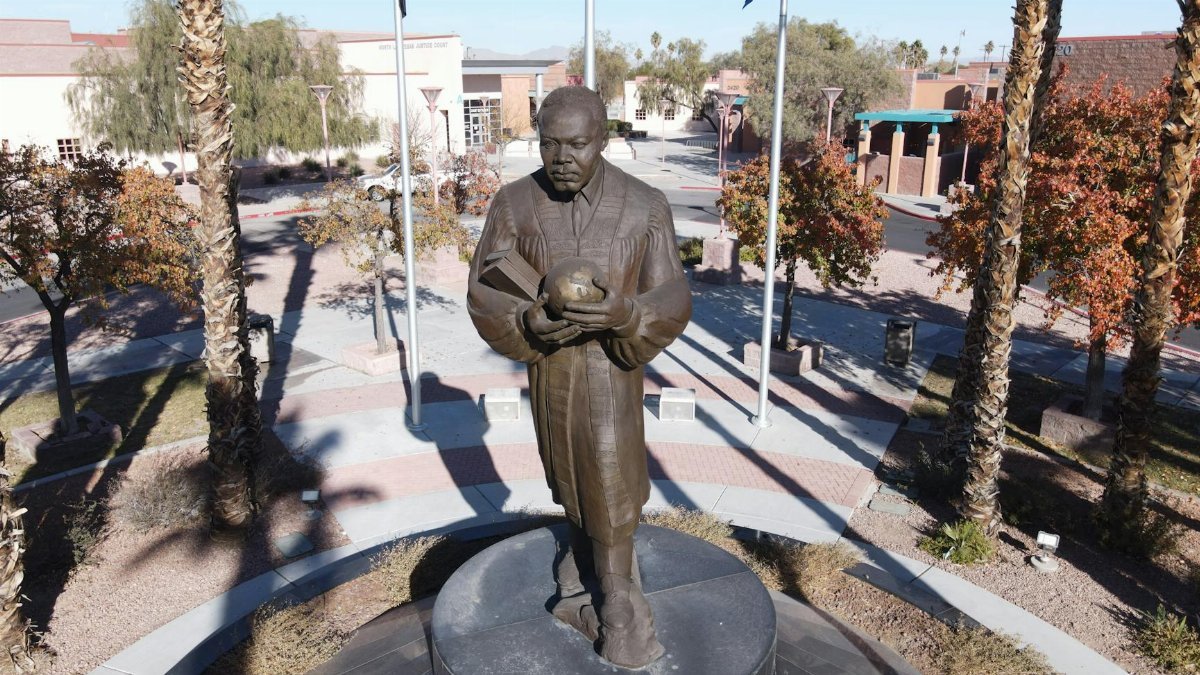
In the turbulent 1960s, as America’s civil rights movement collided with the escalating Vietnam War, an extraordinary connection formed between two spiritual giants: Martin Luther King Jr. and Thich Nhat Hanh. This mlk thich nhat hanh friendship, born from shared anguish over violence and a mutual commitment to peace, transcended oceans and cultures. King, the Baptist minister leading the charge against racial injustice, encountered the Vietnamese Zen master’s writings on “engaged Buddhism,” a philosophy urging mindfulness amid activism. Their correspondence and King’s eventual Nobel Peace Prize nomination for Nhat Hanh highlighted a profound alliance. Today, as divisions deepen globally, their bond offers timeless wisdom on blending contemplation with justice.
Seeds of Connection in War Torn Times
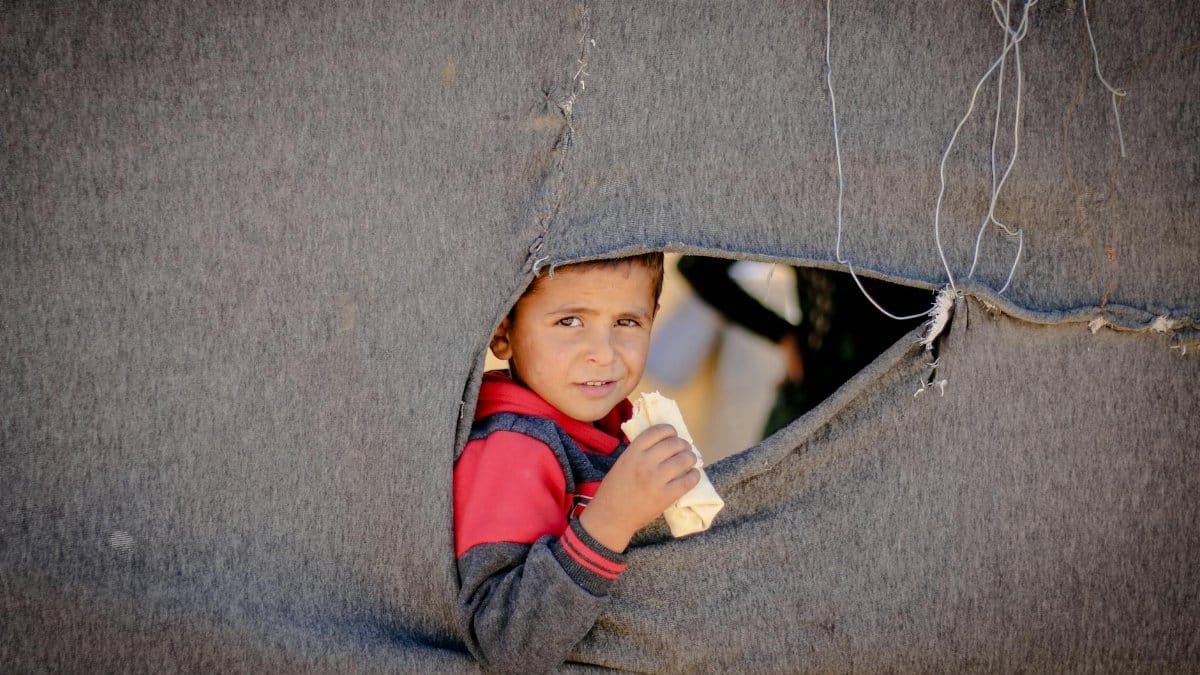
The mlk thich nhat hanh friendship took root in 1965, when Thich Nhat Hanh published “Vietnam: Lotus in a Sea of Fire.” This book detailed the monk’s efforts to aid war victims through the School of Youth for Social Services, a group blending meditation with humanitarian aid. King, already weary of Vietnam’s toll on American soldiers and Vietnamese civilians, read it with growing admiration. In letters exchanged through mutual contacts like the Fellowship of Reconciliation, Nhat Hanh implored King to speak out against the war, framing it as an extension of nonviolent resistance. King responded with empathy, seeing parallels to his own struggles.
A Monk’s Urgent Appeal to a Prophet
Thich Nhat Hanh’s 1966 cable to King cut through diplomatic noise: “We who oppose war are often accused of passivity. But true nonviolence demands action.” This plea resonated deeply. King, fresh from Selma and Birmingham triumphs, grappled publicly with Vietnam. Their exchange marked the mlk thich nhat hanh friendship as a bridge between Eastern mindfulness and Western activism. Nhat Hanh, exiled from Vietnam for his neutrality critiques, found in King a voice willing to amplify the human cost. King’s staff later recalled how these missives fueled his Riverside Church sermon, condemning the war as a “demonic force.”
The Nobel Nod That Shook the World
In a bold 1967 move, King nominated Thich Nhat Hanh for the Nobel Peace Prize. Praising the monk’s “profound understanding of nonviolence,” King wrote to the committee: “Few men in our time have expressed this ideal more clearly or more courageously.” Though Alfred Nobel’s kin publicly supported Gunnar Jahn, King’s endorsement spotlighted the mlk thich nhat hanh friendship globally. It pressured hawks in Washington and inspired peace activists. Nhat Hanh, from exile in France, saw it as validation of interfaith solidarity against militarism.
Nonviolence Redefined Across Traditions
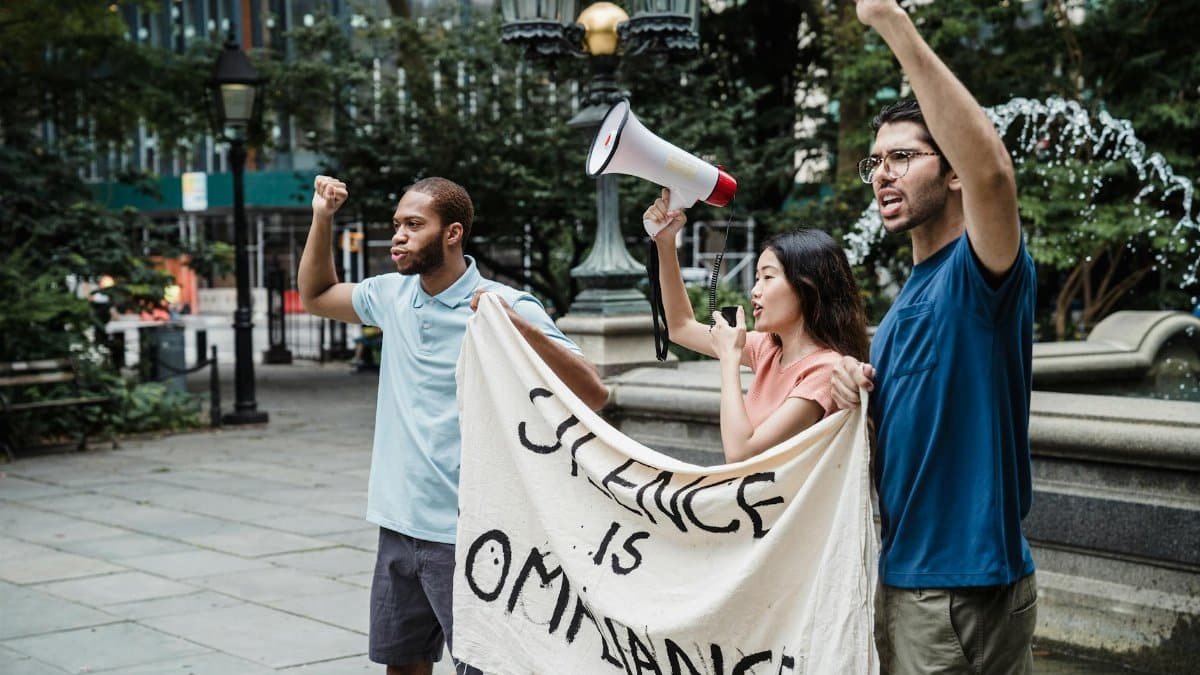
Both men redefined nonviolence beyond passivity. King’s Christian agape met Nhat Hanh’s Buddhist metta, creating a hybrid ethic. In private letters, they discussed how mindfulness could sustain activists facing brutality. The mlk thich nhat hanh friendship influenced King’s later Poor People’s Campaign, incorporating meditation retreats. Nhat Hanh credited King with globalizing engaged Buddhism, urging practitioners to march alongside contemplatives. A 2017 Stanford analysis of their writings shows overlapping language on “interbeing,” King’s “beloved community” echoing Nhat Hanh’s interconnectedness (source).
Building the Beloved Community Together
Central to their bond was “beloved community,” King’s vision of justice through love. Nhat Hanh expanded it with mindfulness practices to heal societal rifts. During a 1966 visit to the U.S., the monk lectured at Cornell and Princeton, drawing King’s circle. Though they never met face to face, their mlk thich nhat hanh friendship fostered joint initiatives like interfaith vigils. Nhat Hanh later reflected in “Living Peace” that King’s dream required “breathing in suffering, breathing out compassion.” This fusion endures in movements like Black Lives Matter mindfulness programs.
Exile and Solidarity in Adversity

Exiled after U.S. protests barred his return, Nhat Hanh faced isolation King understood all too well from FBI surveillance. King publicly defended him, writing to President Johnson for asylum aid. The mlk thich nhat hanh friendship symbolized resilience: King’s assassination in 1968 devastated Nhat Hanh, who led Plum Village meditations in his honor. Coretta Scott King hosted Nhat Hanh post loss, strengthening ties. Their mutual support amid persecution underscored friendship’s power against oppression.
Letters as Living Legacy
Preserved at Emory University’s King archives, their correspondence reveals raw vulnerability. Nhat Hanh urged King to prioritize self care amid threats; King advised on sustaining hope. One 1967 note reads: “Your presence in the struggle emboldens us all.” This mlk thich nhat hanh friendship, documented in over a dozen exchanges, humanizes icons. Historian Michael Honey notes their influence on antiwar clergy (The Conversation).
Influence on Global Peace Efforts

Their alliance rippled outward. King’s Vietnam pivot, partly spurred by Nhat Hanh, galvanized 1967 marches. Nhat Hanh’s U.S. tours introduced mindfulness to civil rights veterans. Today, the mlk thich nhat hanh friendship informs hybrid activism: Extinction Rebellion’s meditations, or Ferguson organizers’ breathing circles. A 2023 Yale study links such practices to reduced activist burnout (source).
Personal Transformations Through Dialogue

King adopted walking meditation after Nhat Hanh’s suggestions, easing march strains. Nhat Hanh integrated gospel rhythms into chants, enriching Plum Village. This reciprocal growth defined the mlk thich nhat hanh friendship. Nhat Hanh’s 2022 passing at 95 prompted tributes linking back to King, with Joan Halifax noting their “quiet revolution” in compassion driven justice.
Relevance in a Fractured Era

As polarization surges, their model beckons. Amid Ukraine and Gaza conflicts, leaders invoke their nonviolence. Faith groups revive “King Hanh dialogues,” merging sermons with sits. The mlk thich nhat hanh friendship reminds us: True change demands heart and awareness intertwined. In an age of outrage, their quiet power persists, urging us toward beloved community anew.
King’s words on Nhat Hanh endure: “A genuine prophet.” Their legacy, woven through decades, calls all to mindful justice.