
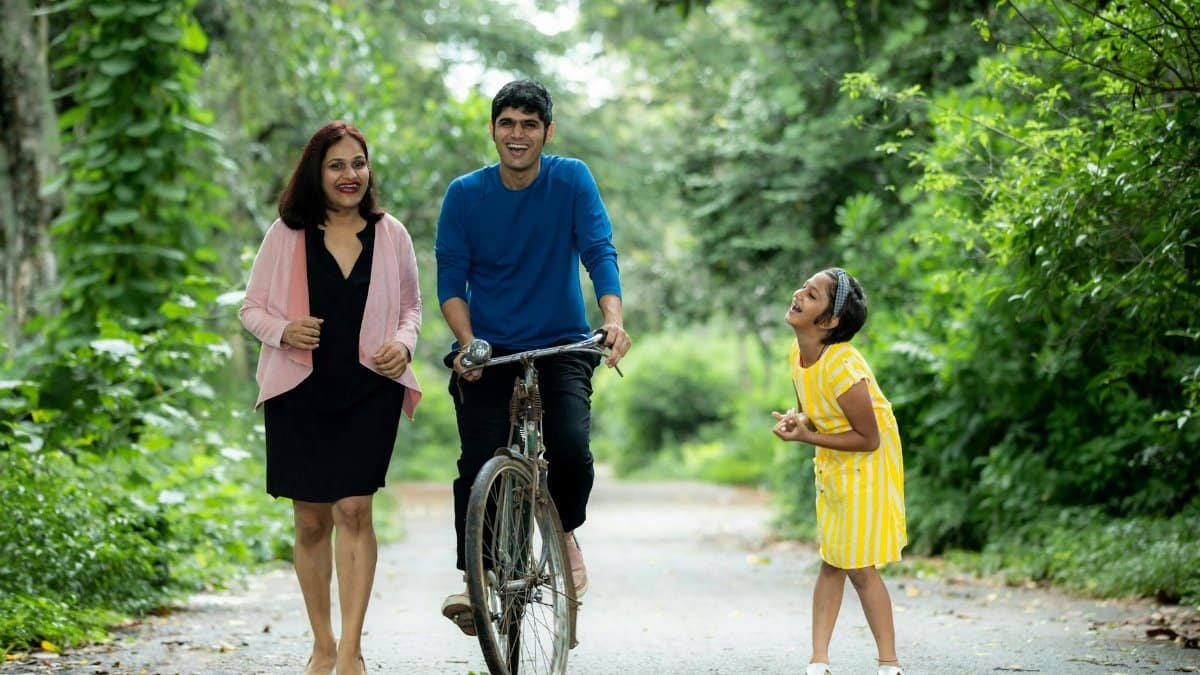
On a drizzly Saturday morning in the Pacific Northwest, Sarah Thompson, a 42-year-old marketing executive and mother of two preteens, slips away from her cluttered kitchen table piled with soccer schedules and unread emails. She heads to a nearby state park, trading deadlines for dew-kissed ferns and the earthy scent of moss. This simple act—forest bathing—has become her lifeline, a quiet rebellion against the relentless grind of parenthood. For parents like Sarah, forest bathing offers the ultimate parents reset, a weekend escape that recalibrates frayed nerves without the need for apps or retreats. Emerging from Japan in the 1980s as shinrin-yoku, or “forest bathing,” this practice of slow immersion in nature is surging again among burned-out American families seeking solace amid packed calendars.
The Roots of a Timeless Practice

Forest bathing traces its origins to Japan, where researchers in the 1980s began studying the physiological effects of spending time in woodlands. Unlike hiking, which emphasizes distance covered, this approach invites participants to meander mindfully, absorbing the forest through all senses: the rustle of leaves, the dappled light filtering through branches, the faint hum of insects. In the United States, the practice gained traction during the pandemic, as parents grappled with remote schooling and isolation. Today, organizations like the Association of Nature and Forest Therapy offer certified guides, making it accessible even in urban pockets. For many, it serves as a profound forest bathing parents reset, stripping away the mental clutter accumulated from carpools and conference calls.
How It Rewires the Stressed-Out Parental Brain

The appeal lies in its impact on the body’s stress response. Studies show that just 20 minutes in a forest can lower cortisol levels by up to 13 percent, according to research published in the journal Environmental Health and Preventive Medicine ( link ). For parents, whose days often spike adrenaline through endless to-do lists, this translates to sharper focus and emotional resilience. Neuroimaging from a 2019 University of Utah study revealed increased activity in brain regions tied to empathy and creativity after woodland exposure ( link ). One mother in suburban Chicago described it as “hitting the refresh button on my patience,” allowing her to return home less reactive to teenage moods.
A Weekend Itinerary Tailored for Families

No need for elaborate plans. A typical forest bathing parents reset begins with parking at a trailhead and silencing phones. Families start with a gentle invitation to notice: What colors emerge from the understory? Spend 10 minutes seated by a stream, then wander without agenda for an hour. Experts recommend ending with a reflective circle, sharing one sensory highlight. Parks like those in the National Forest system provide free access, with apps like AllTrails suggesting beginner-friendly spots. In the Northeast, places such as the Catskills draw harried New Yorkers for half-day dips, proving that even two hours can suffice for renewal.
Navigating the Logistics of Nature Therapy

Busy parents often cite time and weather as barriers, yet the practice thrives on imperfection. Rain enhances the sensory experience, and short sessions fit between Saturday sports. Pack minimally: water, snacks, sturdy shoes. For those with young children, transform it into play—turn log bridges into adventures. Guides emphasize leaving expectations at the trailhead; there’s no “right” way. A recent Guardian article highlighted how parents in the UK have adapted it similarly, calling it essential for burnout prevention ( link ). Stateside, apps from the Forest Bathing Institute offer virtual primers, easing newcomers into the rhythm.
Voices from the Woods: Parent Testimonials

Take Mike Rivera, a single father in Austin, Texas. “After a brutal week of deadlines and custody exchanges, forest bathing parents reset my compass,” he says. His local greenbelt became a weekly ritual, where he and his 10-year-old daughter collect pinecones and breathe deeply. Similarly, in Seattle, a group of moms formed a “forest mamas” circle, meeting biweekly to unplug. Their stories echo nationwide surveys from the American Psychological Association, where 77 percent of parents reported nature time as a top stress reliever. These anecdotes underscore a shift: from performative wellness to unadorned presence.
Beyond the Moment: Lasting Ripple Effects

The benefits extend past the outing. Participants report improved sleep—vital for parents averaging six hours nightly, per CDC data—and stronger family bonds. A Japanese longitudinal study tracked 300 adults over four years, finding sustained drops in blood pressure and anxiety among regular forest bathers ( link ). For burned-out caregivers, this compounds: better rest means more energy for bedtime stories or homework help. Pediatricians now prescribe “nature Rx” for kids’ mental health, indirectly aiding parental sanity.
Why It Outshines Yoga Mats and Meditation Apps

In a market flooded with Peloton classes and Calm subscriptions, forest bathing stands apart for its zero cost and immediacy. No gear required, no Wi-Fi needed. While apps track mindfulness metrics, woods deliver unfiltered immersion. A 2023 comparison in Health Psychology pitted it against urban walking, showing forest settings doubled mood improvements ( link ). Parents appreciate the multisensory reset, which engages kids naturally, fostering habits that endure.
Seasonal Twists for Year-Round Renewal
Adapt to the calendar: autumn’s crunch of leaves in New England, winter’s bare-branch stillness in the Rockies, spring wildflowers in California. Even summer heat yields shaded groves. Local forest therapy chapters host themed walks, like “moon bathing” for night owls. This flexibility ensures the forest bathing parents reset remains viable, weaving into holidays or school breaks without disruption.
Building Community in the Canopy

Solo sojourns work, but groups amplify connection. Platforms like Meetup host parent-focused sessions, blending therapy with camaraderie. In Portland, Oregon, one such circle grew from five to 50 members, united by shared exhaustion. Sharing vulnerabilities under the trees dismantles isolation, a boon for the 40 percent of U.S. parents feeling overwhelmed weekly, according to Pew Research.
Toward a Greener Family Legacy

As climate awareness rises, forest bathing instills stewardship. Parents model eco-literacy, teaching kids to tread lightly. This dual reset—healing self while honoring earth—positions it as more than trend. Initiatives like the U.S. Forest Service’s “Get Outside” campaign align perfectly, urging families outdoors.
In reclaiming weekends this way, parents like Sarah Thompson don’t just survive; they rediscover joy. Forest bathing, simple yet profound, proves that the deepest resets often lie steps from our doors, waiting in the whisper of trees.
(Word count: 1,248)