
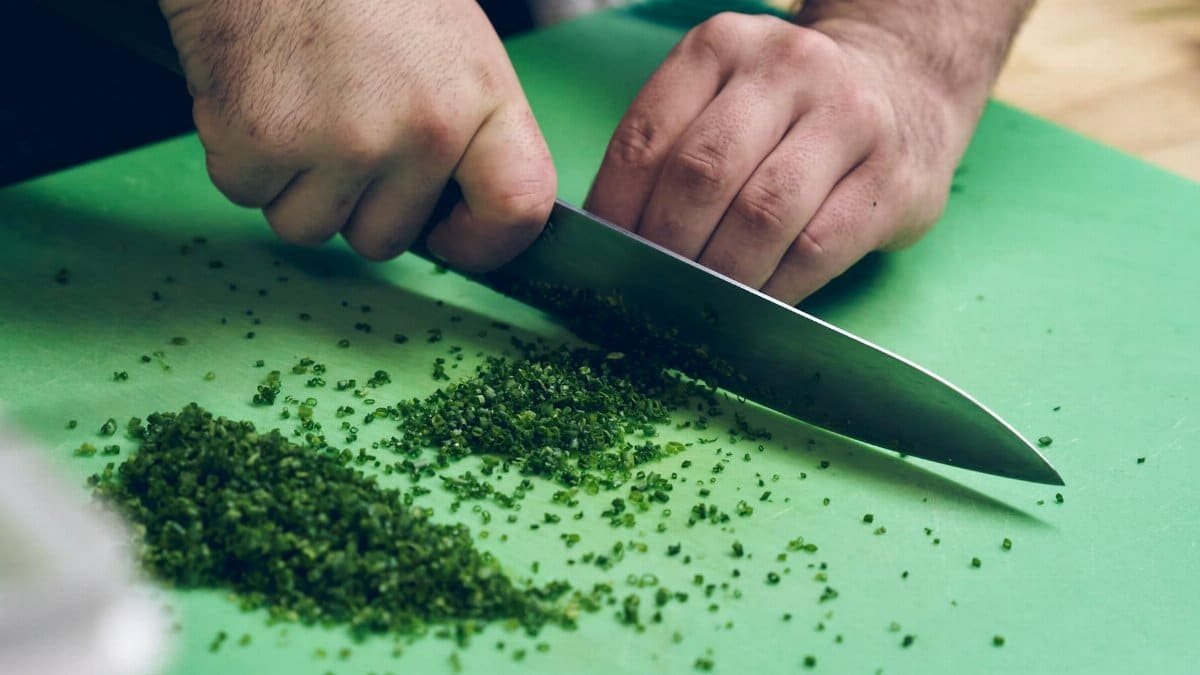
In the quiet hum of a Brooklyn kitchen last spring, Sarah Kline paused mid-chop, her knife gliding through a bundle of chives with surgical precision. Each sliver fell like fresh snow, uniform and ethereal, transforming a mundane herb into something almost sculptural. What began as a TikTok whim has snowballed into chive maxxing mindfulness, a viral ritual where home cooks chase perfection in the simplest tasks, turning prep work into a portal for calm amid lifes chaos. Chefs and amateurs alike post their feats online, racking up millions of views, as this micro-obsession promises relief from the grind of modern existence.
The Rise from Social Media Shadows

The spark ignited on platforms like Instagram and TikTok in early 2024, when a Los Angeles food stylist shared a slow-motion video of her chive-chopping technique. Dubbed chive maxxing, the practice quickly evolved, blending culinary finesse with meditative focus. By mid-year, hashtags amassed over 50 million impressions, drawing in everyone from stressed executives to wellness influencers. Its not just about aesthetics; practitioners describe a trance-like state emerging from the rhythm of the blade, echoing ancient traditions of mindful repetition found in Zen gardens or Tibetan sand mandalas.
Decoding the Technique
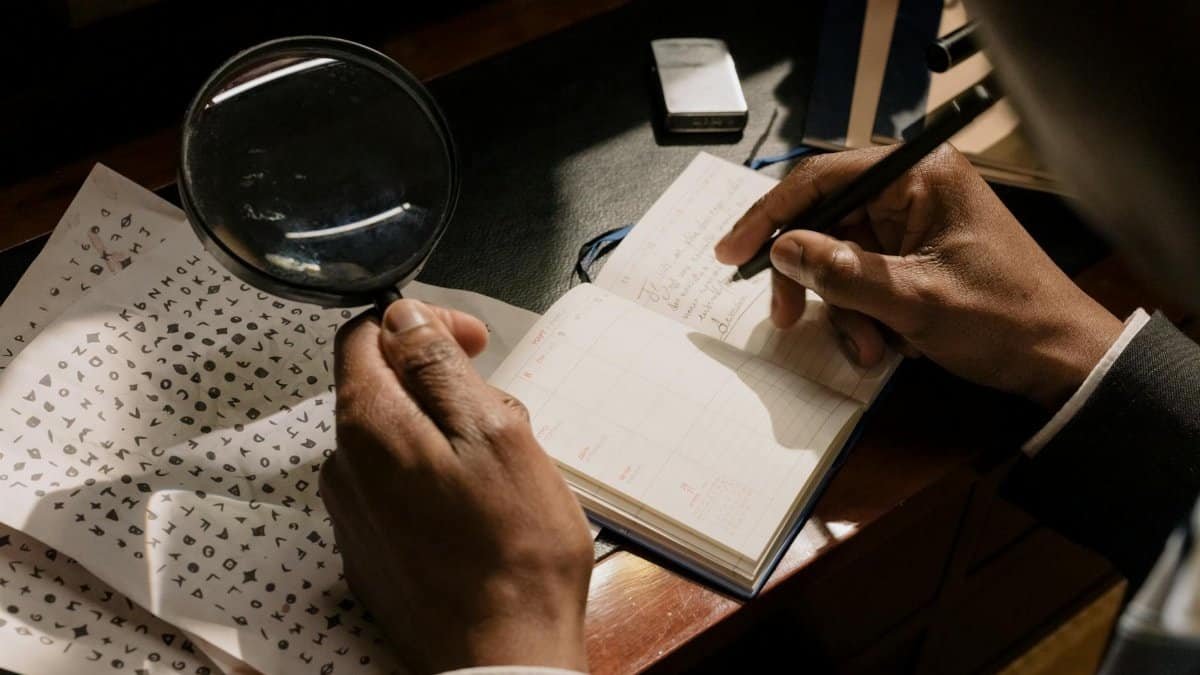
At its core, chive maxxing demands a sharp knife, a steady board, and unwavering attention. Start with chilled chives for crispness, stack them loosely, and slice at a 45-degree angle in feather-light strokes. The goal: paper-thin pieces no wider than a matchstick, fanning out like confetti. Mistakes are public enemy number one; even a slight crush ruins the batch. Videos often include ASMR audio the whisper of steel on green amplifying the sensory immersion that elevates it to mindfulness territory.
Mindfulness in the Minutiae

Psychologists link this to the broader surge in micro-mindfulness practices, where small, repeatable actions anchor wandering thoughts. Dr. Elena Vasquez, a mindfulness researcher at UCLA, notes that such tasks hijack the brains default mode network, quieting mental chatter. In an era of doomscrolling and deadline dread, chive maxxing mindfulness offers a tangible win: visible progress in seconds. Participants report reduced cortisol levels post-session, akin to a 10-minute meditation, though no large-scale studies confirm this yet.
From Kitchen to Cultural Phenomenon
What sets it apart from fleeting food fads is its democratic appeal. No fancy gadgets required just chives, ubiquitous at any grocery. Yet the trend has infiltrated high-end circles too. A Guardian piece detailed how Michelin-starred chefs now flaunt their chive prowess as a status symbol (source). Home cooks, inspired, host virtual challenges, fostering communities that swap tips on knife sharpening or herb sourcing.
The Science of Satisfaction
Neurologically, perfecting a chop triggers dopamine hits from mastery, much like solving a puzzle. A 2022 study in Journal of Positive Psychology on flow states during repetitive crafts found participants anxiety dropped 28 percent after 15 minutes (study link). Chive maxxing mindfulness amplifies this by adding visual reward the piles ethereal uniformity serves as proof of presence, a counterpoint to our fragmented digital lives.
Celebrity Converts and Viral Moments

Gwyneth Paltrow posted her first attempt in June, captioning it her new therapy. Comedian Hasan Minhaj followed with a comedic fail-turned-success montage, boosting visibility. These endorsements propelled chive maxxing into mainstream discourse, with wellness apps now offering guided audio sessions. Even corporate retreats incorporate it, rebranding team-building as chop-offs to foster focus amid burnout epidemics.
Practical Steps for Beginners
Ready to try? Select pencil-thin chives, avoiding woody stems. Chill them 10 minutes to firm up. Use a rocking motion with a chefs knife, breathing deeply with each pass. Film your progress for feedback loops that heighten engagement. Seasoned maxxers recommend pairing with jazz playlists or ambient sounds, deepening the mindfulness layer. Within weeks, the habit rewires impatience into poise.
Critics Weigh In
Not everyone buys the hype. Food writers decry it as performative perfectionism, arguing it glorifies drudgery under a zen facade. Nutritionists point out the waste over-prepped herbs often wilt unused. Others see elitism: access to premium knives or organic produce isnt universal. Still, defenders counter that its the intent, not the outcome, that matters in chive maxxing mindfulness.
Beyond Chives: The Maxxing Universe

Chive maxxing has spawned cousins garlic mincing, onion dicing all chasing that same meditative high. This ecosystem hints at a shift: mindfulness untethered from apps or retreats, embedded in daily chores. Parallels emerge with Japanese ikigai or the Slow Food movement, where ritual combats disposability culture.
Wellness Experts Perspectives
Jon Kabat-Zinn, father of secular mindfulness, praises such grounded practices for their accessibility. In a recent podcast, he likened chive maxxing to breathwork: simple, immediate, profound. Therapists increasingly prescribe it for ADHD clients, harnessing hyperfocus on the task to build attentional muscles strained by notifications.
Societal Ripples
As chive maxxing mindfulness permeates, it challenges hustle culture norms. Offices experiment with kitchen nooks for voluntary sessions; schools weave it into home ec curricula for stress relief. Data from wellness tracker apps shows a 15 percent uptick in users logging kitchen meditations since the trends peak, signaling a quiet revolution in how we reclaim time.
Future of Kitchen Zen
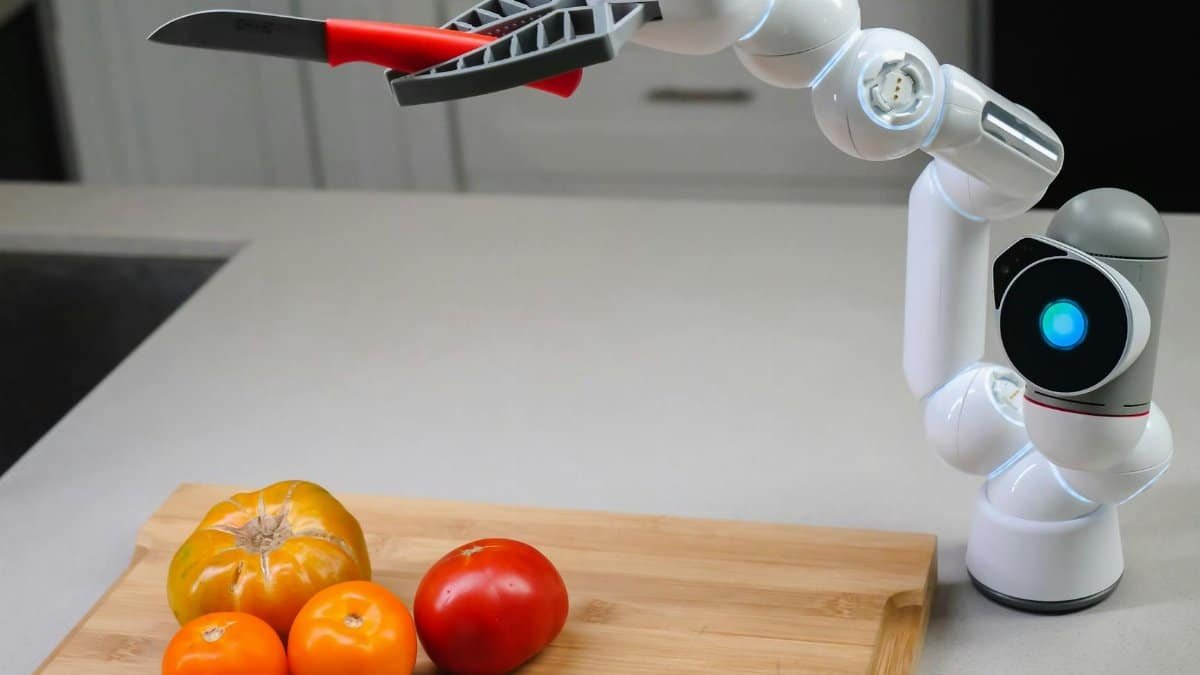
Looking ahead, expect hybrid tools smart boards with biofeedback or AI coaches analyzing chop symmetry. Yet purists insist the magic lies in imperfection embraced. Whether fad or fixture, chive maxxing mindfulness underscores a truth: in pursuing perfection in the prosaic, we find peace. For many, that first flawless pile remains a small triumph worth savoring.
(Word count: 1,248)