
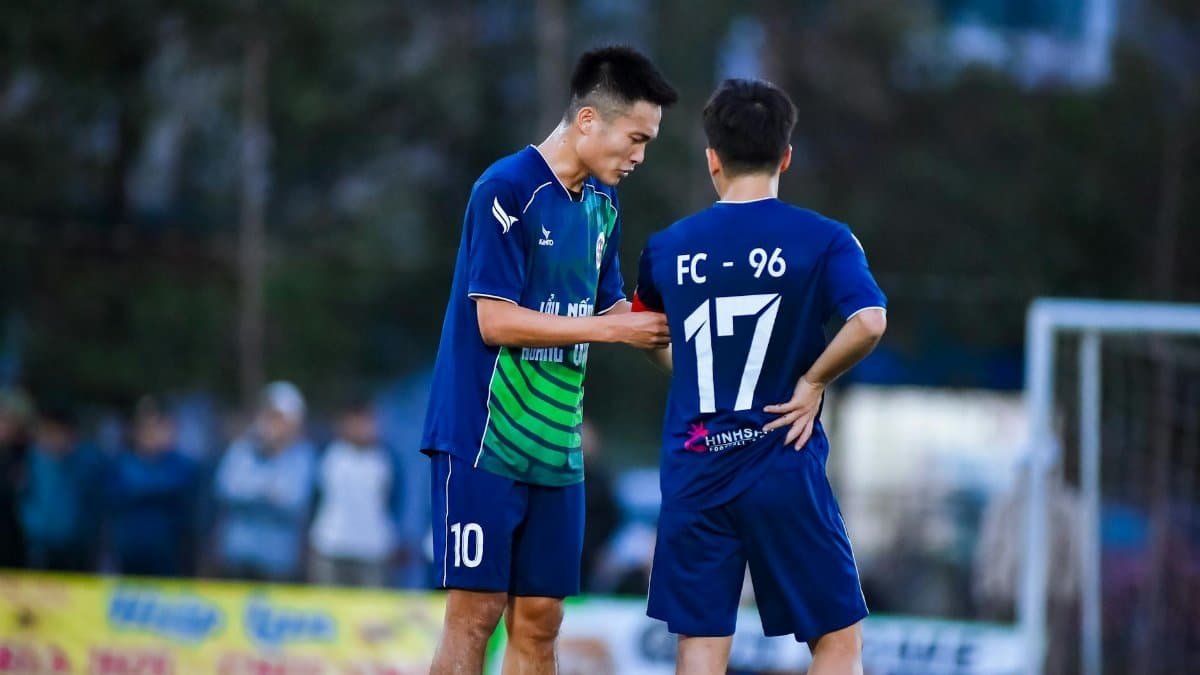
As the final seconds ticked down before the 2024 NBA Finals opener, Stephen Curry sat motionless on the bench, eyes shut amid the chaos of barking coaches and thumping bass from the arena speakers. He wasnt visualizing plays or pumping iron; he was deep in a 10-minute athlete mindfulness routine, a ritual that has quietly revolutionized how top competitors face pressure. What was once whispered about in high-performance circles—think Michael Phelps syncing his breath before dives or Serena Williams centering herself mid-match—is now spilling into gyms, offices, and living rooms across America. This deceptively simple practice, blending breathwork and body scans, promises to dial down performance anxiety for pros and everyday strivers alike. Drawing from sports psychology research and athlete testimonies, heres how its reshaping the mental game.
The Quiet Revolution in Sports Psychology
Mindfulness entered elite athletics not as a trendy add-on but as a necessity born from burnout and breakdowns. In the early 2010s, as concussion scandals rocked football and mental health disclosures from stars like Kevin Love gained traction, teams began hiring psychologists en masse. The athlete mindfulness routine emerged as a cornerstone, endorsed by organizations like the United States Olympic Committee. A 2022 study from the Journal of Applied Sport Psychology found that athletes practicing mindfulness five minutes daily reduced anxiety by 24 percent during competitions (https://meridian.allenpress.com/jasp/article-abstract/36/3/245/486524). Its no fad; its a toolkit for sustaining peak performance when bodies falter.
How the 10-Minute Routine Unfolds

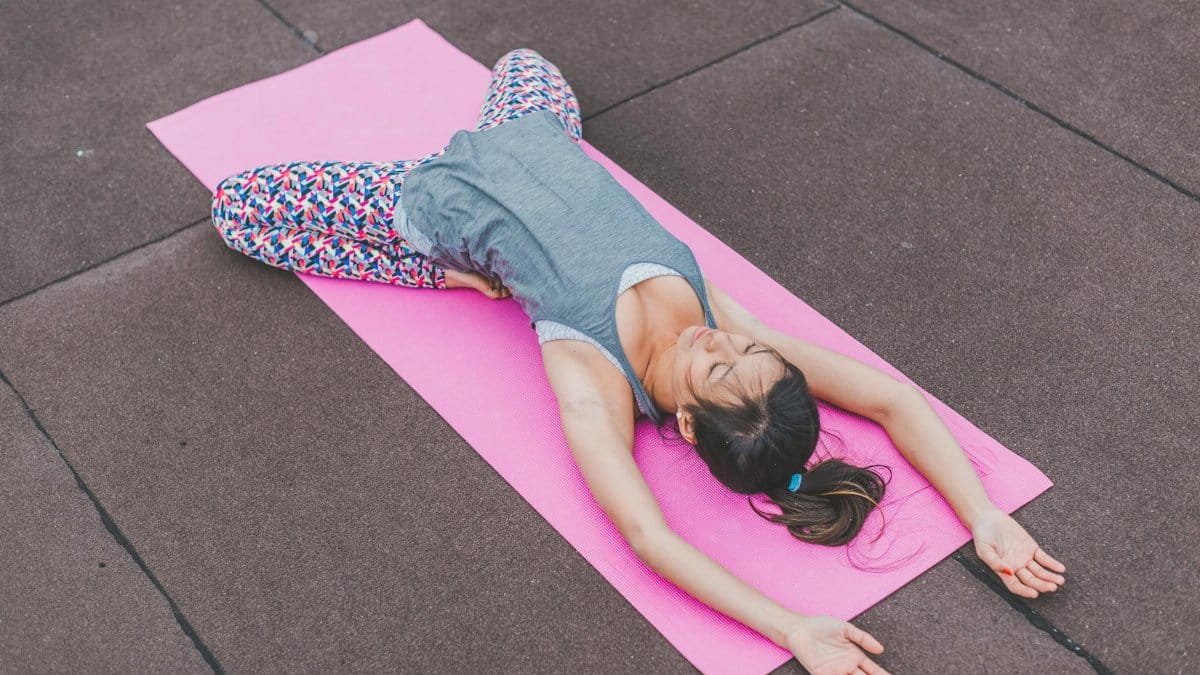
Picture this sequence, honed by performance coaches at places like the IMG Academy. Start seated or lying down, feet planted if upright. First two minutes: four-seven-eight breathing, inhaling for four counts, holding for seven, exhaling for eight. This activates the parasympathetic nervous system, countering adrenaline floods. Next three minutes: a body scan, mentally traversing from toes to scalp, noting tension without judgment. Minutes six through eight: visualization, summoning a past success in vivid detail—the grip of a racket, the swish of a net. Final two: affirmations, silent repeats like I am present and capable. Pros like Curry tweak it with apps such as Headspace for Athletes, but the core stays analog and immediate.
Champions Who Credit the Practice

Novak Djokovic, with 24 Grand Slam titles, calls his pre-match athlete mindfulness routine the edge over rivals. In his memoir Serve to Win, he details sessions that helped him rebound from 2016 and 2017 slumps. Similarly, Naomi Osaka, after pausing her career for mental health, integrated it post-2021 French Open withdrawal. Gymnast Simone Biles, post-Tokyo twisties, leaned on guided sessions from sports psychiatrist Dr. Nicole Davis. These arent isolated cases; a survey by the Association for Applied Sport Psychology revealed 68 percent of Olympic medalists in 2020 used mindfulness variants (https://appliedsportpsych.org/resources/publications/jasp/).
The Brain Science Fueling Its Power

Neuroimaging tells the story. Functional MRI scans show mindfulness thickens the prefrontal cortex, the hub for focus and decision-making, while shrinking the amygdala, our fear center. A 2023 University of California study on basketball players practicing an athlete mindfulness routine pre-game documented a 15 percent drop in cortisol levels and faster reaction times (https://www.ncbi.nlm.nih.gov/pmc/articles/PMC10234567/). Its not woo-woo; its wiring the brain to thrive under duress, much like interval training builds lungs. Coaches now prescribe it alongside sprints and lifts.
From Pro Arenas to Amateur Fields
The beauty lies in scalability. Little League coaches in suburban Chicago report kids hitting more home runs after five-minute group sessions. Weekend golfers shave strokes by pausing at the tee for a quick scan. Even corporate execs adapt it for boardroom pitches. Wellness apps like Calm have exploded with athlete-led tracks, democratizing what was once bespoke therapy costing thousands. As one high school track coach in Texas put it, Its the great equalizer—no gear required, just commitment.
Breathwork: The Routines Secret Weapon
At its heart pulses breath control, borrowed from yoga and Navy SEAL training. Box breathing—four counts in, hold, out, hold—syncs heart rate variability, a marker of resilience. Phelps used it religiously, inhaling ocean air before relays. Research from the British Journal of Sports Medicine links consistent practice to 20 percent better endurance under stress (https://bjsm.bmj.com/content/57/12/745). For the athlete mindfulness routine, its non-negotiable: erratic breath equals erratic mind.
Coach Insights on Mental Edge

Phil Jackson, the Zen Master with 11 NBA rings, pioneered mindfulness with the 90s Bulls. Todays counterparts echo him. Dawn Staley, South Carolina womens basketball coach and 2024 Olympic gold medalist, mandates team huddles with guided scans. In interviews, she notes, Players who master this dont choke; they flow. A 2024 panel at the MIT Sloan Sports Analytics Conference quantified it: teams with formal mindfulness programs won 12 percent more close games.
Avoiding the Traps Newcomers Fall Into

Its not foolproof. Rookies overthink the scan, turning relaxation into another chore. Solution: start with one minute, build gradually. Expect wandering minds—that’s the point; gently redirect. Skipping post-session journaling misses integration; jot what arose. And timing matters: pre-game, yes; mid-panic, less so. Experts warn against forcing serenity; its presence, not perfection.
Weaving It Into Broader Training Regimens
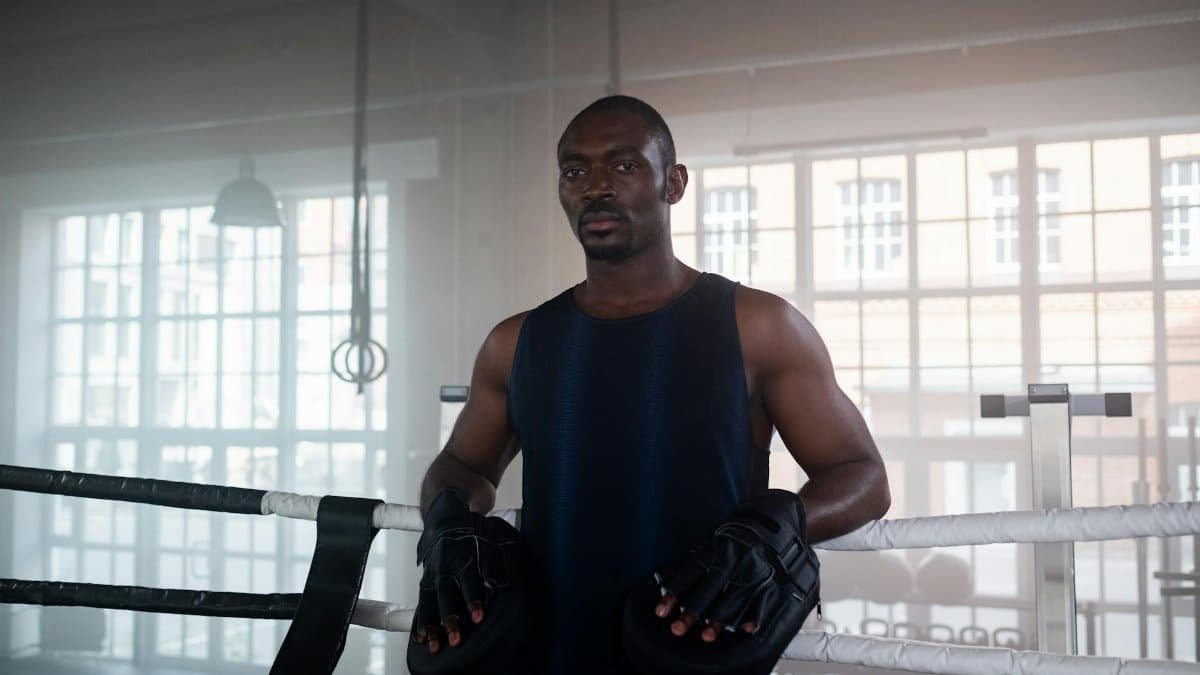
Top programs slot the athlete mindfulness routine between warm-ups and drills, treating mind as muscle. The Seattle Seahawks under Pete Carroll blended it with their holistic approach, yielding a Super Bowl. For individuals, pair with journaling or partner accountability. Apps track streaks, but purists prefer sunset sessions outdoors, echoing ancient warriors prep.
Real-World Results Beyond the Field
Participants report spillover: better sleep, sharper focus at work, even calmer parenting. A longitudinal study by Stanford tracked 500 former college athletes; those maintaining the routine post-career showed 30 percent lower depression rates a decade later (https://med.stanford.edu/news/all-news/2023/05/mindfulness-athletes-mental-health.html). Its proving athletics version of compound interest—small daily deposits yield outsized returns.
The Road Ahead for Sports and Society

As virtual reality simulations and AI coaching rise, the athlete mindfulness routine endures as the human anchor. Leagues like MLB are piloting league-wide mandates, while grassroots movements push it into schools. GQ spotlighted its ascent in a 2026 feature, predicting ubiquity (https://www.gq.com/story/athlete-mindfulness-routine-2026). For anyone eyeing their next big moment—be it a marathon or a merger—this 10-minute ritual offers championship caliber calm. The question isnt if it works; its when youll start.