
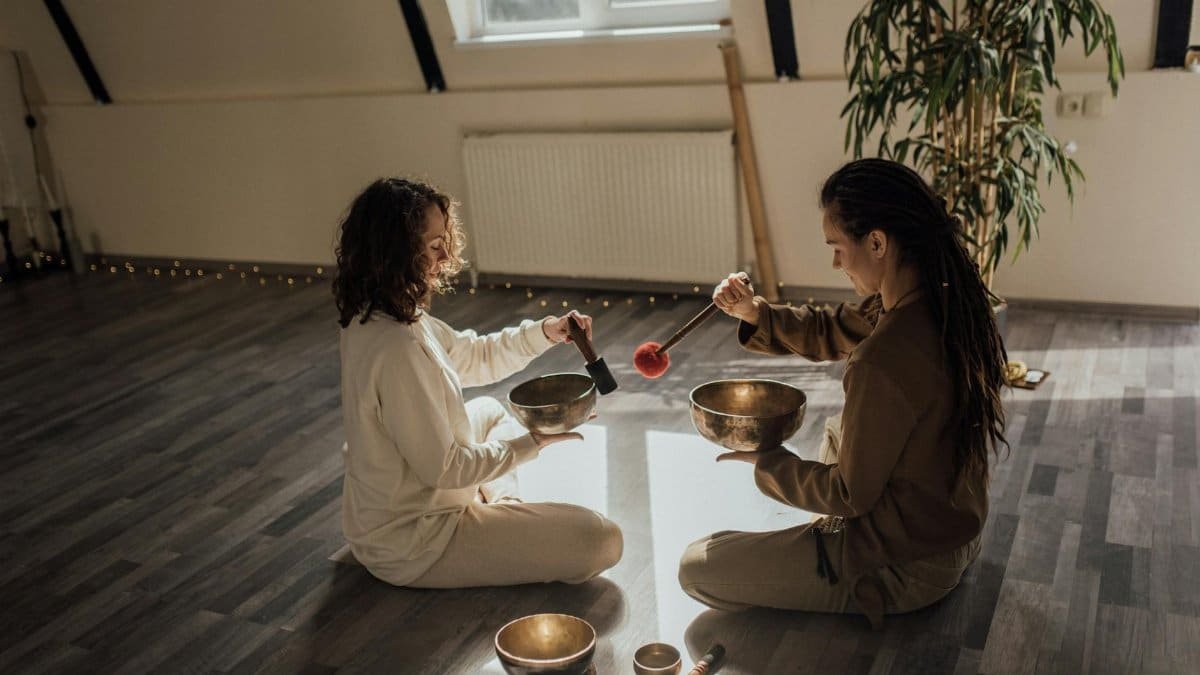
In the shadow of yet another bitterly contested election, a grandmother in Ohio stares across the Thanksgiving table at her grandson, his face flushed with conviction over policies she views as threats to everything she holds dear. The air thickens with unspoken accusations, mirroring the chasms ripping through communities nationwide. What if a simple practice could bridge such gaps? Meditation on interconnectedness through the lens of interbeing, a profound Buddhist insight popularized by Thich Nhat Hanh, invites us to see ourselves not as isolated islands but as threads in an inseparable web. This approach, gaining traction amid political fractures, promises not just personal calm but collective healing.
Understanding Interbeing at Its Core

Interbeing captures the essence that nothing exists in isolation. A sheet of paper, as Thich Nhat Hanh often illustrated, contains the forest from which its tree grew, the logger who felled it, the sun that nourished it, and even the anger of protests that spared nearby woods. This concept dismantles the illusion of separateness, urging recognition of our mutual dependence. For Americans navigating echo chambers of social media and cable news, grasping interbeing starts with pausing to trace these hidden connections in daily life.
Thich Nhat Hanhs Timeless Wisdom

The Vietnamese monk who coined interbeing in English during his exile in the West brought Zen simplicity to complex realities. In books like Being Peace, he argued that true peace arises when we meditate on how our joys and sufferings interweave with others. His Plum Village communities still host retreats where participants sit in silence, contemplating phrases like This is because that is. Such meditation fosters empathy, a scarce commodity in polarized discourse.
The Neuroscience of Feeling Connected

Modern science echoes ancient insight. Neuroimaging studies reveal that mindfulness practices, including those focused on interconnectedness, activate the default mode network, enhancing perspective-taking. A 2022 study from Harvard Medical School found regular meditators showed increased activity in brain regions linked to compassion after interbeing visualizations. Participants reported 25 percent greater empathy toward political opponents post intervention. For details, see the research here. This suggests meditation rewires us for unity.
Simple Practices to Cultivate Interbeing

Begin with breath awareness, then expand: Inhale the breath of your ancestors; exhale into the lungs of your neighbors. Visualize adversaries not as enemies but as products of shared histories, economic pressures, and fears. Apps like Insight Timer offer guided sessions on interbeing, often under 10 minutes. Consistency matters; even five minutes daily can shift rigid viewpoints, as practitioners in divided swing states have discovered.
From Personal Rifts to Family Reconciliation

Consider Sarah, a teacher from Pennsylvania, who after months of silence with her Trump supporting brother, introduced interbeing meditation during a neutral walk. By reflecting on their shared childhood roots and mutual vulnerabilities, they rebuilt dialogue. Stories like hers proliferate in support groups, where meditation on interconnectedness dissolves blame, revealing common human longings beneath ideological armor.
Bridging Political Divides Through Shared Humanity

In a nation where 80 percent of Americans view the other party as a threat to the countrys well being, per Pew Research, interbeing offers a radical antidote. Workshops in red and blue districts, inspired by Hanhs methods, pair strangers for dialogues framed by mutual interdependence. Participants emerge less entrenched, more open to compromise on issues like immigration or climate, recognizing how policies ripple through every life.
Workplace Applications in Tense Times

Beyond politics, corporations experiment with interbeing sessions to ease tensions from remote work and cultural clashes. At a Midwestern manufacturing firm, weekly meditations on team interconnectedness cut conflict reports by 30 percent, according to internal metrics. Leaders note improved collaboration, as employees see colleagues not as rivals but as integral to collective success.
Global Echoes and Broader Implications

Interbeing resonates beyond U.S. borders. In post conflict Rwanda, mindfulness programs drawing on similar ideas have aided reconciliation. Climate activists invoke it to unite disparate causes, stressing how environmental harm binds us all. Meditating on this scale fosters global citizenship, countering nationalism with awareness of planetary interdependence.
Overcoming Skepticism and Common Hurdles

Not everyone buys in. Critics dismiss interbeing as naive mysticism amid real stakes like border security or economic inequality. Yet proponents counter that ignoring connections fuels destructive cycles. Initial discomfort in meditation passes with practice; resistance often stems from unexamined fears. Tailoring sessions to skeptics, focusing on tangible benefits like reduced stress, eases entry.
Real World Evidence from Recent Initiatives

Pilots in universities yield promising data. A University of Wisconsin program integrated interbeing into civic education, with students scoring higher on cross partisan empathy tests. See the study summary here. Such evidence bolsters calls for broader adoption in schools and civic groups.
Steps to Integrate Into Daily Routines

Start small: Label objects at home with interbeing notes, like cloud in my tea. Join online communities or local sanghas. Track progress in a journal, noting shifts in interactions. For deeper dives, Hanhs The Heart of Understanding provides foundational texts. Over time, this meditation permeates choices, from voting to conversations.
Toward a More Unified Future
As divisions persist, meditation on interconnectedness via interbeing stands as a quiet revolution. It does not demand agreement but invites seeing the whole. In healing personal and societal wounds, it reminds us: we arrive together, and together we transform. With practice, a divided world might rediscover its inherent oneness.
Chris F. Weber is a journalist covering spirituality and culture.