
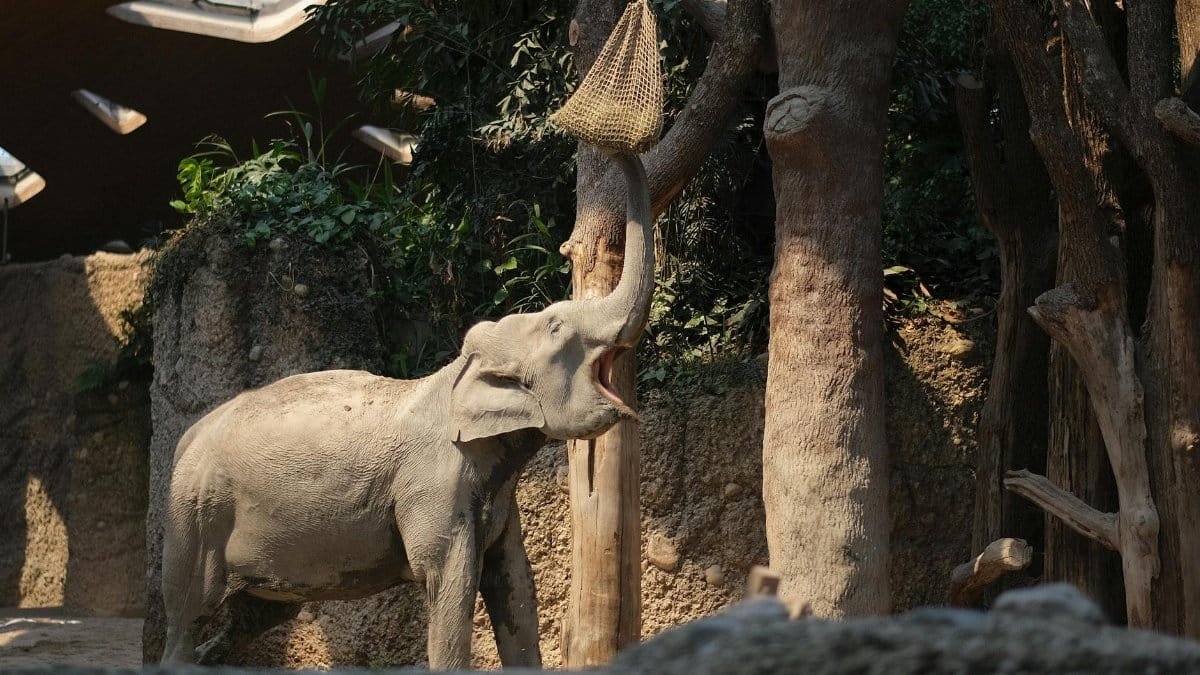
In the sun-drenched landscapes of Bali, where vacationers have long sought thrills amid ancient temples and rice terraces, one popular attraction has drawn a firm line. Bali Zoo ends elephant rides, a decision prompted by an Indonesian government directive prioritizing animal welfare. This move, announced recently, signals a broader awakening in a tourism industry built partly on encounters with majestic pachyderms. For years, visitors paid handsomely for the experience of riding these gentle giants, unaware of the toll it exacted. Now, as the zoo complies, questions swirl about the future of ethical tourism in paradise. What does this mean for Bali’s elephants, its visitors, and the island’s reputation as a haven for both adventure and spirituality?
The Governments Firm Stance on Welfare

The Indonesian Ministry of Agriculture issued the directive in early 2026, mandating that all zoos and wildlife parks cease elephant riding activities immediately. Officials cited mounting evidence of physical harm to the animals, including spinal injuries and psychological stress from constant human contact. According to a report from the ministry, echoed in coverage by World Animal News, such practices violated updated national standards aligned with international conventions like the Convention on International Trade in Endangered Species. Bali Zoo, located in Gianyar regency, was among the first to publicly affirm compliance, posting notices across its grounds and website. This was not an isolated case; similar orders targeted other venues across Sumatra and Java, reflecting a nationwide push to modernize animal husbandry.
A Legacy of Tourist Draws

Elephant rides at Bali Zoo began in the early 2000s, capitalizing on the islands burgeoning tourism boom. Visitors, many from Australia, Europe, and the United States, flocked to the 10-hectare site for photo opportunities and family memories. Annual attendance topped 200,000, with rides accounting for a significant revenue stream. Promotional materials once touted the elephants as rescued from logging camps, framing the rides as a way to support conservation. Yet animal rights groups long contested this narrative, pointing to cramped enclosures and repetitive labor as hallmarks of exploitation rather than rehabilitation.
Voices from the Animal Welfare Front
Organizations like the World Animal Protection and local group ProFauna hailed the decision as a victory after years of campaigning. “Bali Zoo ends elephant rides is a game-changer,” said a spokesperson for ProFauna in a statement. Their efforts included undercover footage revealing elephants chained overnight and prodded with bullhooks to perform. Studies from the journal Applied Animal Behaviour Science, accessible here, substantiate these claims, showing elevated cortisol levels in ridden elephants indicative of chronic stress. The shift underscores a growing global consensus that elephants, with their complex social structures, suffer in captive entertainment roles.
Inside the Zoo’s Transition

Bali Zoo management expressed regret over the rides’ end but emphasized adaptation. “We are redirecting resources to enrich the elephants’ lives,” director Wayan Sudira told local media. New initiatives include expanded foraging areas mimicking Sumatran habitats and veterinary checkups funded by ride revenues. The zoos three Sumatran elephants Sumba, Tara, and Ganesha now participate in educational demonstrations only, allowing visitors to observe from platforms. Ticket prices remain steady, with alternative attractions like tiger feedings and bird shows filling the gap. Early feedback suggests attendance holds firm, buoyed by eco-conscious travelers.
Tourist Reactions: Relief and Disappointment

For some visitors, the news landed with mixed emotions. Sarah Jenkins, a 52-year-old teacher from California who visited last month, shared on TripAdvisor: “I was gutted at first, having dreamed of that ride since childhood. But seeing the elephants roam freer now? Worth it.” Others expressed frustration, arguing rides offered harmless fun. Social media buzzed with debates, some accusing the zoo of pandering to Western activists. Yet surveys by tourism analytics firm Skift indicate 68 percent of Bali visitors prioritize ethical experiences, a trend accelerating post-pandemic.
Broader Ripples in Bali Tourism

Bali’s economy leans heavily on tourism, generating over $10 billion annually pre-COVID. Attractions involving animal interactions, from monkey forests to dolphin shows, face scrutiny. The elephant ride ban at Bali Zoo ends elephant rides there but prompts questions elsewhere: Will Taro Elephant Park follow suit? Industry leaders like the Indonesian Hotel and Restaurant Association advocate balanced reforms, warning of job losses for mahouts traditional elephant handlers. Still, sustainable alternatives abound, from yoga retreats to cultural immersion tours that align with Bali’s spiritual heritage of harmony with nature.
Conservation Wins for Sumatran Elephants
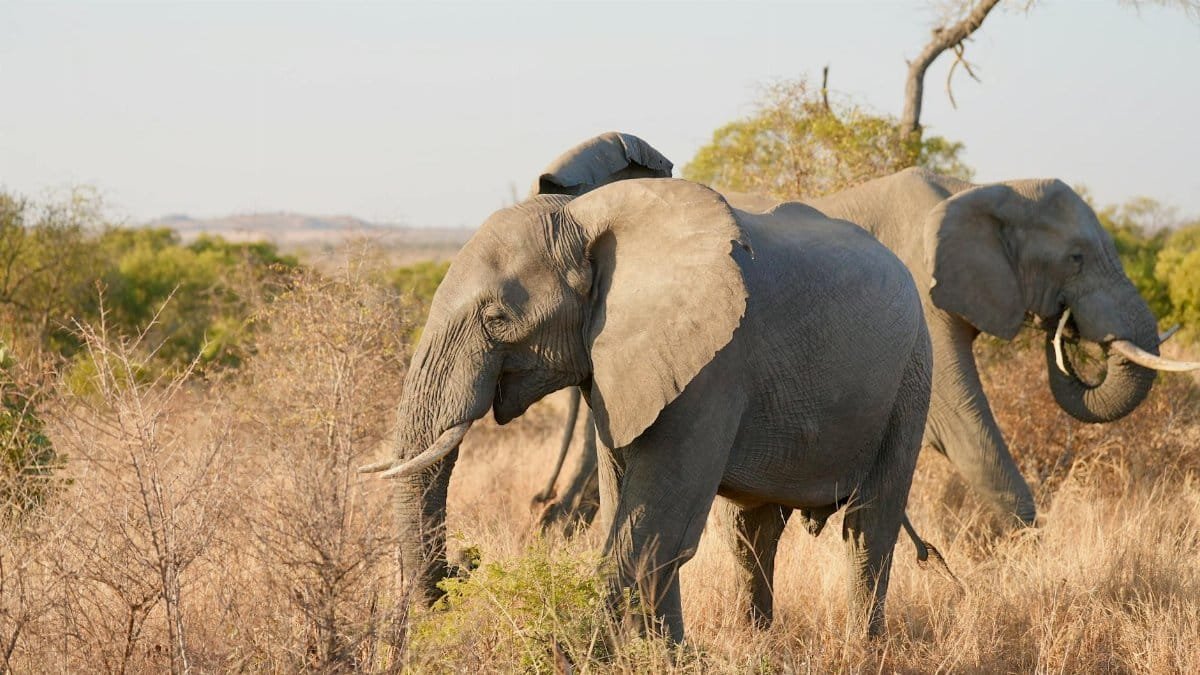
Sumatran elephants, classified as critically endangered by the IUCN, number fewer than 3,000 in the wild. Bali Zoo’s elephants hail from this population, rescued amid palm oil expansion threats. Ending rides frees them from performance stress, potentially extending lifespans. Conservationists now push for rewilding programs, partnering with the Sumatran Elephant Conservation Program. Success stories from Thailand, where sanctuaries replaced rides, show rehabilitated elephants reintegrating into protected forests. Bali could pioneer similar models, blending tourism with genuine habitat restoration.
Ethical Dilemmas in Paradise Travel

This episode spotlights tensions in global travel. Middle-aged adventurers, seeking authentic escapes, increasingly weigh Instagram moments against moral costs. Bali Zoo ends elephant rides exemplifies how destinations evolve under pressure from informed consumers and regulators. Platforms like Booking.com now flag animal welfare ratings, influencing choices. For Americans, reminiscent of U.S. debates over SeaWorld, it prompts reflection: Does our vacation dollar aid preservation or perpetuate captivity? The answer shapes tourisms next chapter.
Mahouts and Local Livelihoods

Not all impacts are positive. Mahouts, often from Sulawesi or Java, face uncertainty. Trained from youth in elephant care, they earned modest wages plus tips from riders. Zoo officials promise retraining in guiding or veterinary roles, but transitions prove challenging. Community programs by NGOs offer microloans for alternative crafts, echoing Balinese resilience seen in post-volcano recoveries. Long-term, a skilled workforce could pivot to eco-tourism ventures, sustaining families without animal labor.
Global Echoes and Future Standards

Indonesia’s directive mirrors trends worldwide. India banned elephant rides in 2017, while Cambodia pledges phase-outs by 2028. In the U.S., the Traveling Exotic Animal Protection Act gains traction. Bali Zoo ends elephant rides positions Indonesia as a leader in Southeast Asia, potentially attracting ethical tourism certifications from the Global Sustainable Tourism Council. Investors eye green projects, from solar-powered aviaries to virtual reality wildlife encounters, ensuring Bali remains competitive without compromise.
Spiritual Dimensions in Balinese Context
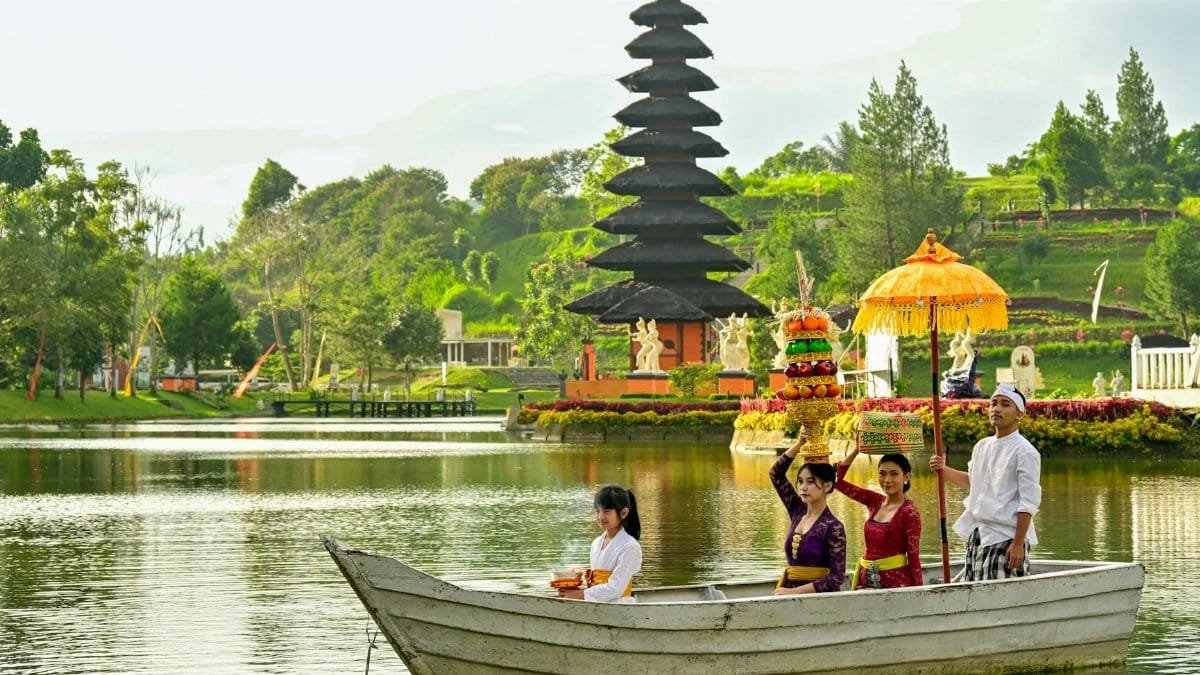
Bali’s Hindu philosophy of Tri Hita Karana balance between humans, nature, and the divine resonates here. Elephants symbolize wisdom in local lore, akin to Ganesha the remover of obstacles. Activists frame the ban as realigning with these tenets, purifying tourism of exploitative elements. Temples hosting elephant blessings continue, sans rides, fostering reverence over recreation. For spiritually inclined visitors, this enhances Bali’s allure as a place of mindful rejuvenation.
As Bali Zoo charts this new path, the world watches. The end of elephant rides may close one chapter but opens another of compassion-driven discovery. Tourists depart not with selfies astride elephants, but with stories of positive change, inspiring broader action. In an era demanding accountability, such steps affirm that paradise can evolve ethically, preserving its wonders for generations.