

As shipments pile up in warehouses from Los Angeles to New York, small business owners like Maria Gonzalez in Miami stare at invoices that have ballooned overnight. FedEx and UPS, the giants of American logistics, just tacked on new Middle East surcharges alongside hikes in their longstanding fuel fees, blaming it on the escalating Iran conflict disrupting global oil routes. What started as whispers in supply chain forums has erupted into widespread frustration among shippers who feel squeezed by forces beyond their control. The fedex ups fuel surcharge, already a point of contention, now layers on top of war-related penalties, pushing costs higher at a time when e-commerce demands never sleep. This isn’t just about numbers; it’s a stark reminder of how geopolitical tremors ripple through everyday commerce.
The Sudden Rollout of War-Related Fees
FedEx announced the changes first, effective immediately for shipments touching the Middle East, with UPS following suit within days. Officials at both companies cited surging fuel prices tied to Iran’s military actions in the Strait of Hormuz, a chokepoint for a fifth of the world’s oil. The new surcharges add anywhere from $5 to $50 per package, depending on weight and destination, on top of the baseline fedex ups fuel surcharge rates. Supply Chain Dive reported on UPS’s planned fuel surcharge table increases extending into 2026, a trend now accelerated by real-world chaos ( source ). Shippers routing through Dubai or Tel Aviv face the steepest hits, as rerouting options evaporate amid naval tensions.
How Fuel Surcharges Actually Work

At their core, fuel surcharges adjust weekly based on national averages for diesel and jet fuel, indexed to U.S. Department of Energy data. FedEx pegs its ground surcharge to gulf coast diesel, while UPS blends truck and air costs. Both formulas have grown more opaque over years, with critics arguing they pad profits during stable times. Now, with Brent crude spiking past $90 a barrel due to Iranian drone strikes on tankers, the fedex ups fuel surcharge has jumped 4 percentage points in a month. A 500-pound pallet that cost $200 extra in surcharges last quarter could now tack on $300, invisible until the final bill arrives.
Shippers Caught in the Crossfire

E-commerce sellers, manufacturers, and retailers form the backbone of these carriers’ business, yet they bear the brunt. Take Gonzalez’s online boutique: her monthly FedEx tab rose 22 percent, forcing price hikes on sundresses that erode her thin margins. Larger firms like apparel giant Levi Strauss reroute to air freight, only to slam into even pricier fedex ups fuel surcharge multipliers for expedited service. Industry groups such as the National Retail Federation decry the lack of advance notice, calling it a “bait and switch” amid already inflated 2024 rates.
Geopolitical Roots in the Iran Conflict

The spark traces to Iran’s retaliatory strikes after U.S. and Israeli operations targeted its proxies. Oil markets convulsed, with futures jumping 8 percent in a single day. FedEx’s executive vice president for global operations noted in a memo that 15 percent of their Asia-Pacific volume funnels through affected ports. UPS echoed this, projecting $150 million in added costs quarterly. While carriers frame it as pass-through expenses, shippers question why domestic routes indirectly inflate via the fedex ups fuel surcharge, as global benchmarks lift all boats.
FedEx Versus UPS: A Tale of Two Strategies
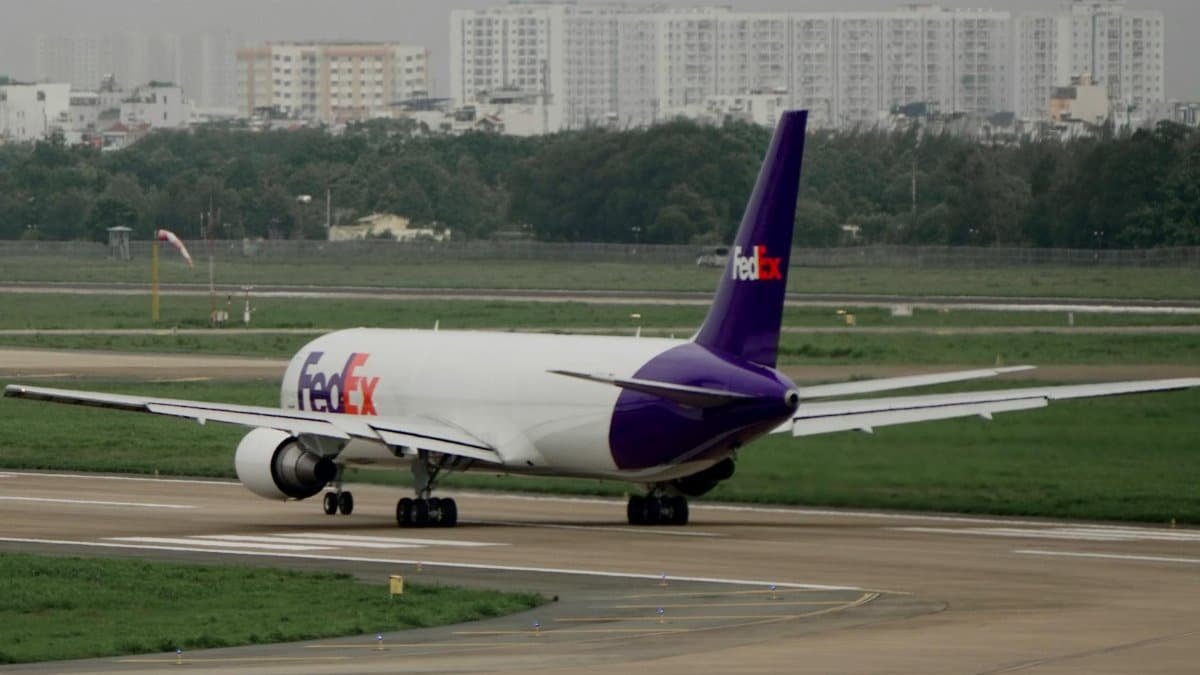
FedEx leans heavier on air, exposing it more to jet fuel volatility, where surcharges hit 20.5 percent of base rates. UPS, with its trucking dominance, caps ground fees at 17.9 percent but bundles international add-ons aggressively. Head-to-head, a sample cross-country shipment shows UPS edging out by 3 percent post-surcharge, per Parcel Consulting’s analysis. Both, however, synchronize hikes, fueling antitrust murmurs in Washington. Shippers hedge by splitting volume, but loyalty programs lock in the pain.
Industry Backlash and Vocal Protests

Rage boils over on platforms like Reddit’s r/supplychain and LinkedIn groups, where executives vent about “profiteering on war.” The American Trucking Associations urged federal oversight, while smaller players petition the Surface Transportation Board. One viral post from a Texas importer tallied $12,000 in unexpected fedex ups fuel surcharge hits, captioned simply: “Thanks, geopolitics.” Carriers counter with data showing surcharges cover just 70 percent of fuel costs, absorbing the rest to stay competitive.
Historical Echoes from Past Crises

This mirrors the 2022 Ukraine war spike, when fedex ups fuel surcharges doubled overnight, or the 2019 U.S.-China trade war’s $2 billion toll on logistics. Post-9/11, fees embedded permanently. Patterns suggest today’s hikes could linger through 2025 if Iran tensions fester. A 2023 study by Armstrong & Associates found surcharges now comprise 12 percent of total shipping spend, up from 7 percent pre-pandemic, entrenching them as a fixture.
Strategies for Shippers to Fight Back

Options exist beyond grumbling. Consolidate shipments to dilute per-package fees, negotiate volume discounts, or pivot to regional carriers like OnTrac for domestic legs. Software from Flexport or Project44 forecasts surcharge trends, letting firms preload contracts with caps. Some savvy operators stockpile inventory stateside, dodging international exposure entirely. For the fedex ups fuel surcharge specifically, weekly monitoring via carrier portals allows timing shipments for dips.
Broader Economic Ripples

These fees cascade through supply chains, nudging consumer prices upward by 1-2 percent on imported goods, per economists at the Peterson Institute. Holiday shopping seasons loom, with Black Friday volumes projected to strain networks further. Inflation-weary Americans may see it in everything from gadgets to groceries, amplifying the Federal Reserve’s headaches.
Regulatory Clouds on the Horizon

Lawmakers in Congress, eyeing midterm optics, probe whether surcharges skirt antitrust laws. The FTC’s recent crackdown on junk fees sets precedent; bills targeting “drip pricing” in shipping gain traction. UPS lobbyists push back, stressing market-driven necessities, but bipartisan ire grows as constituents complain.
A Glimmer of Relief Ahead?
Optimists point to de-escalation talks and Saudi spare capacity buffering oil shocks. If Iran hostilities cool, surcharges could unwind by spring. FedEx hints at rebates if volumes rebound, while UPS eyes electric fleets to blunt future volatility. For now, shippers brace, auditing every lane for efficiencies. The fedex ups fuel surcharge saga underscores logistics’ vulnerability, a thread pulling at the economy’s seam.
In the end, as Gonzalez recalibrates her budget, the question lingers: how much geopolitical risk should everyday businesses shoulder? Carriers adapt to survive; shippers must innovate to thrive.