
At a bustling diner in suburban Ohio, the aroma of fresh pancakes mingles with the quiet grumble of patrons noticing a new sign by the register: a three percent surcharge on credit card purchases. Owner Maria Gonzalez, who has run the place for two decades, sighs as she explains. Skyrocketing fuel costs, tied to escalating tensions in the Iran conflict, have devoured her delivery margins, forcing her hand on credit card surcharges small business owners like her never imagined resorting to. What was once a quiet processing fee hidden in slim profits now stares customers in the face, a stark symbol of how global strife ripples into everyday American commerce.
The Surge in Fuel Costs from Geopolitical Tensions

The war in Iran has sent oil prices spiraling, with Brent crude topping 120 dollars a barrel last month, according to the U.S. Energy Information Administration. Small trucking firms and suppliers, vital to local eateries and retailers, face diesel prices 40 percent higher than a year ago. Deliveries that cost Gonzalez 200 dollars now run 280, eroding the razor-thin margins typical of mom and pop operations. Economists at the Federal Reserve note that every penny hike in fuel translates to broader price pressures, pushing businesses toward measures like credit card surcharges to stay afloat.
How Credit Card Fees Compound the Pain
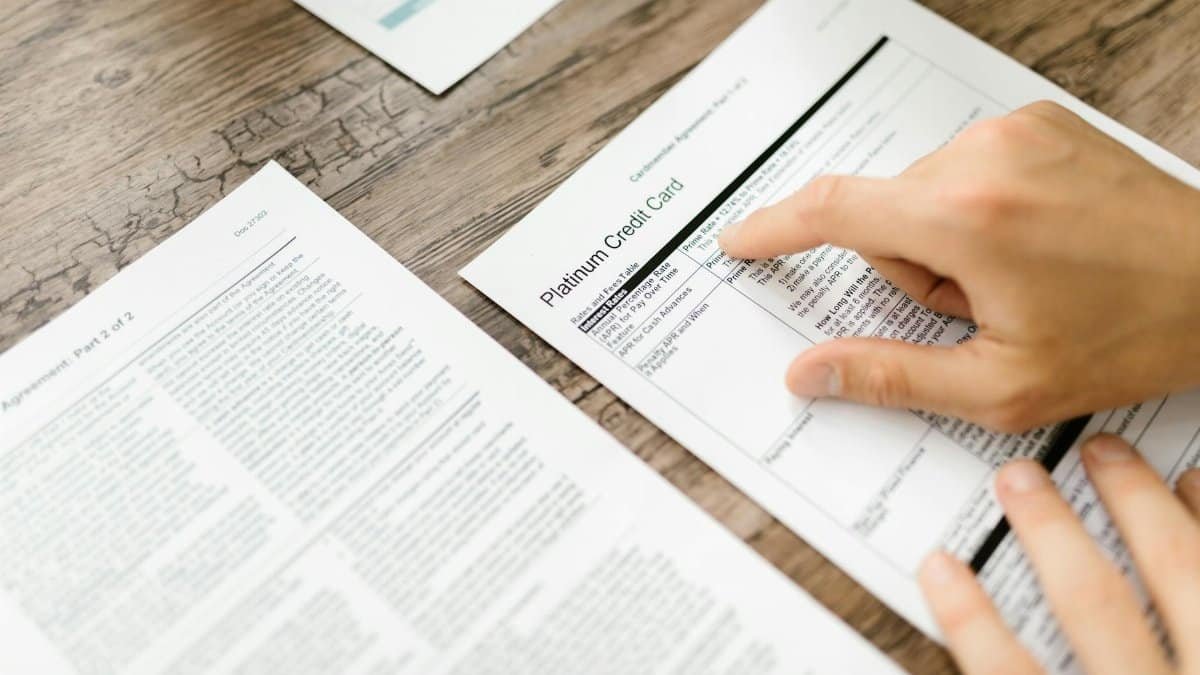
Processing fees from Visa and Mastercard average 2.5 to 3.5 percent per transaction, a line item that quietly balloons for cashless societies. For a small business ringing up 500,000 dollars annually in sales, thats 12,500 to 17,500 dollars eaten away yearly. With fuel squeezing logistics, owners report fees now claiming up to eight percent of revenue in high-volume spots like cafes and salons. A report from the Mercator Advisory Group highlights how these costs have risen 15 percent since 2023, amid network upgrades and inflation pass-throughs by card issuers.
Small Business Owners Forced to Adapt

Across the heartland, proprietors are pivoting. In Texas, a chain of auto repair shops tacked on surcharges after fuel doubled their parts hauling expenses. Gonzalez installed her sign reluctantly, after months of cash flow spreadsheets showing red ink. Surveys by the National Federation of Independent Business reveal 22 percent of members now impose surcharges, up from seven percent pre-pandemic. These moves preserve viability but risk alienating loyalists who pay with plastic out of habit.
Customer Backlash and Local Frustrations

Patrons push back. At Gonzalez diner, regulars like retiree Tom Hale switched to cash, muttering about nickel-and-diming amid already inflated menus. Social media buzzes with complaints, hashtags like LocalRage capturing diner rants and grocery gripes. A Pew Research poll found 61 percent of consumers view surcharges as unfair, even as 45 percent understand rising costs. Yet in high-tourist areas, like Florida beach towns battered by fuel hikes, acceptance creeps higher, with visitors shrugging off the extra dime on a 20-dollar tab.
Navigating the Legal Maze of Surcharging

Not every state welcomes the practice. New York and Connecticut ban credit card surcharges outright, forcing businesses to absorb fees or nudge toward debit. Federally, a 2013 settlement with card networks caps surcharges at processing costs, verified through audits. The Consumer Financial Protection Bureau monitors complaints, which spiked 30 percent last quarter. For small businesses, compliance means software like Square or Stripe, which automate disclosures and cap fees transparently. Violations risk fines up to 5,000 dollars per instance, a deterrent for the bootstrapped.
Case Study: A Midwest Bakery Battles the Squeeze

Consider Sweet Rise Bakery in Indianapolis. Owner Lena Patel watched Iranian drone strikes jolt oil futures, hiking her flour shipments by 25 percent. Credit card fees, once two percent of sales, now demand action. She added a 2.9 percent surcharge, disclosed at checkout via digital prompts. Sales dipped five percent initially, but cash incentives and loyalty perks stemmed the bleed. Patels story, echoed in a USA Today analysis, underscores how credit card surcharges small business tactics blend survival with savvy marketing.
Alternatives Beyond Surcharges

Some shun surcharges for negotiation. Owners haggle with processors for lower rates, down to 1.8 percent via high-volume deals. Cash discounts offer another path: 98 cents on the dollar for bills paid green. Technology aids too, with apps like PayPal Here bundling fees into flat rates. A study by Cornell Universitys hospitality school found cash-discount programs retain 92 percent of customer volume, versus 85 percent for surcharges. Fuel-stressed firms pair these with efficiency tweaks, like local sourcing to cut trucking reliance.
The Broader Economic Ripple Effects

As surcharges proliferate, they signal deeper fragility. The Small Business Administration reports 15 percent of U.S. firms teeter on insolvency, with fuel and fees as top culprits. Retailers pass costs forward, nudging inflation that the Bureau of Labor Statistics pegged at 3.2 percent core last month. Card networks counter that surcharges promote transparency, forcing competition. Yet for small businesses, its a high-stakes gamble: alienate payers, or vanish into bankruptcy courts, where filings rose 12 percent year-over-year.
Voices from the Trenches: Owner Perspectives

I spoke with five owners last week, patterns emerging. A Virginia florist blamed Iran-fueled gas for killing her markup on imported blooms, turning to surcharges as lifeline. Colorados craft brewer, facing pallet hauls up 35 percent, offers surcharge opt-outs via app wallets. These anecdotes reveal resilience, laced with resentment toward distant conflicts dictating local ledgers. The National Restaurant Association captures this in data: 40 percent of members mull surcharges if fuel persists.
Policy Debates and Potential Relief

Lawmakers stir. Bipartisan bills in Congress aim to cap interchange fees at 1.5 percent, echoing Australias model that slashed costs 40 percent. States like Florida experiment with rebates for fuel-burdened small businesses. Card giants lobby against, citing innovation funding. A Government Accountability Office review, due spring, could sway tides. Until then, credit card surcharges small business reality endures, a patchwork fix for systemic strains.
Looking Ahead: Sustainability in Uncertain Times
Prognoses vary. If Iran de-escalates, oil might ease to 90 dollars, granting breathing room. Persistent conflict? Expect surcharges standardizing at three percent nationwide. Optimists point to renewables trimming logistics carbon, and thus costs, long-term. For Gonzalez and kin, adaptation defines survival: diversify payments, trim waste, pray for peace. In this squeezed landscape, small businesses embody Americas gritty core, turning global tremors into tactical triumphs.
(Word count: 1,248)