
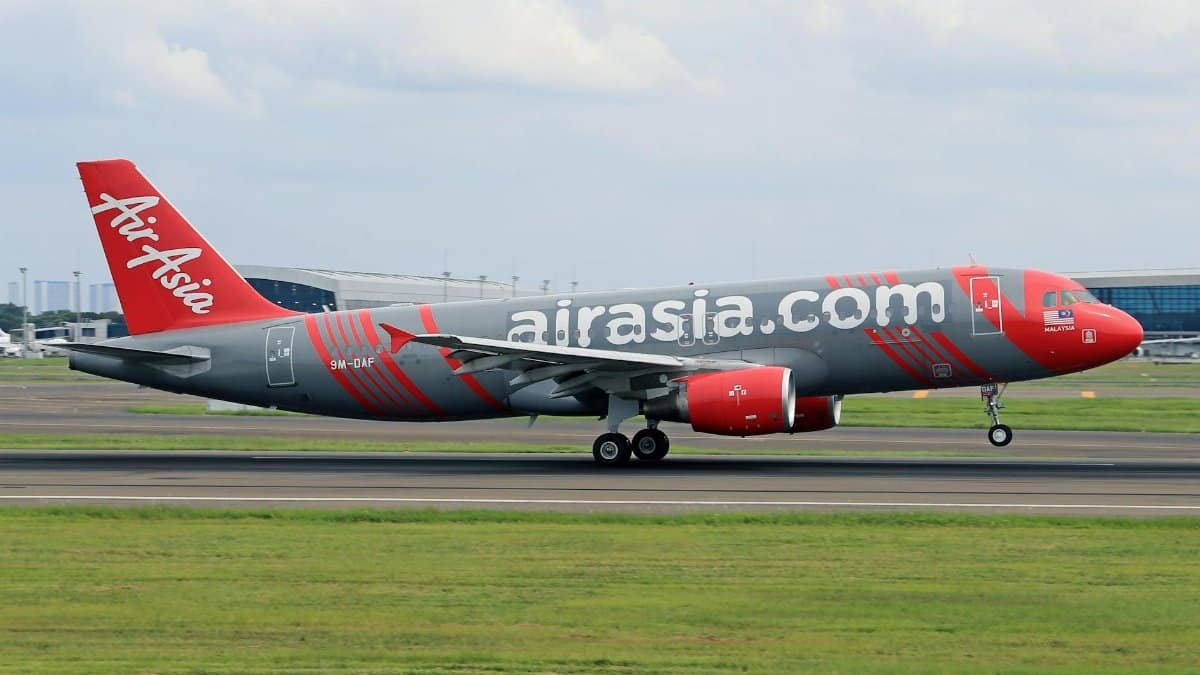
As summer travel season ramps up, airlines across the United States face a stark reality: jet fuel prices have soared to their highest levels in over a decade, pushing ticket costs higher for millions of passengers. According to the International Air Transport Association, the price per barrel of jet fuel climbed above $100 in recent weeks, a 25 percent jump since early spring, driven largely by escalating tensions in the Middle East. This surge in jet fuel prices summer travel is reshaping vacation plans, from family road trips rerouted into longer drives to international getaways postponed indefinitely. For the average American household, the ripple effects could add hundreds of dollars to round-trip fares, testing budgets already strained by inflation.
Roots of the Surge: Geopolitical Tensions Ignite Fuel Markets

The immediate catalyst traces back to renewed conflict in the Middle East, where disruptions in oil supply chains have sent shockwaves through global energy markets. Reports from the Times of India highlight how airstrikes and blockades have constricted crude oil flows, with jet fuel, a refined kerosene product, bearing the brunt ( source ). In the U.S., refineries along the Gulf Coast, which produce much of the nation’s jet fuel, now grapple with premiums that exceed those during the 2022 Ukraine crisis. Analysts at J.P. Morgan note that every one-dollar increase in crude translates to roughly five cents more per gallon of jet fuel, compounding costs for carriers like Delta and United.
Airline Balance Sheets Under Pressure

Major U.S. airlines, already recovering from pandemic-era losses, find their profit margins squeezed. American Airlines reported in its latest quarterly filing that fuel expenses accounted for 30 percent of operating costs, up from 22 percent a year ago. Southwest Airlines, known for its fuel-hedging strategies, has hedged only 40 percent of its summer needs, leaving it exposed to spot market volatility. Executives at these carriers have publicly warned of fare hikes, with Delta’s CEO citing jet fuel prices summer travel as a primary factor in a projected 5 to 8 percent increase in domestic ticket prices.
Fare Hikes Hit Leisure Travelers Hardest

Leisure travelers, who dominate summer itineraries, absorb the steepest increases. Data from Hopper, a travel booking app, shows average round-trip fares from New York to Los Angeles climbing 12 percent year-over-year, while Miami to Chicago routes have jumped 15 percent. Budget carriers like Spirit and Frontier, with thinner cushions, have introduced fuel surcharges as high as $50 per ticket. Families planning beach escapes or cross-country visits report scrambling for alternatives, with some opting for Amtrak despite longer travel times.
Regional Variations: Coasts Feel the Pinch Differently

Impacts vary by region. West Coast hubs like Los Angeles and San Francisco see outsized effects due to reliance on long-haul Pacific routes, where fuel burn is intense. In contrast, Midwest carriers benefit slightly from shorter hops, though even there, jet fuel prices summer travel have eroded competitive pricing. The FAA’s latest traffic reports indicate a 7 percent dip in bookings for July and August, signaling caution among consumers in high-cost states like California and New York.
Carrier Strategies: Hedging Bets and Cutting Corners

Airlines deploy a mix of tactics to mitigate pain. Fuel hedging locks in prices ahead of time, a practice United has expanded to cover 60 percent of its needs through 2025. Others trim capacity: JetBlue announced 10 percent fewer flights to Europe, citing unsustainable fuel costs. Low-cost operators experiment with sustainable aviation fuels, though these remain pricier at $3.50 per gallon versus $2.80 for conventional jet fuel. Such moves preserve some stability but inevitably pass costs to passengers.
Passenger Pushback: The Rise of Travel Rage

Frustration brews among travelers, manifesting as what industry watchers call “travel rage.” Social media platforms overflow with complaints about opaque surcharges and canceled refunds, while the Department of Transportation fields a 20 percent uptick in fare-related grievances. At airports like Atlanta and Dallas, tempers flare over delayed flights exacerbated by airlines conserving fuel through reduced speeds. Advocacy groups like Travelers United urge federal intervention, arguing that jet fuel prices summer travel should not justify unchecked profiteering.
Looking Ahead: Forecasts Signal Prolonged Pain

Economists predict no quick relief. The Energy Information Administration forecasts jet fuel averaging $2.90 per gallon through September, 15 percent above 2023 levels. If Middle East hostilities persist, prices could test $3.20, rivaling peaks from the 2008 financial crisis. Airlines may respond by accelerating fleet modernizations; Boeing’s fuel-efficient 787 models promise 20 percent savings, though delivery backlogs hinder progress.
Consumer Tools for Navigating Higher Costs

Savvy travelers turn to strategies like booking midweek flights, which remain 10 to 15 percent cheaper, or leveraging credit card rewards for fuel offsets. Apps such as Google Flights now flag fuel surcharge estimates, empowering choices. Some shift to driving: AAA projects a 5 percent rise in road trips, with families trading airport hassles for scenic routes along Interstate 80.
Broader Economic Ripples Beyond the Runway

The jet fuel crunch extends to tourism-dependent economies. Hotels in Orlando and Las Vegas brace for softer occupancy as airfare deters visitors, potentially costing billions in lost revenue. Cruise lines like Carnival report windfalls, with bookings up 18 percent as alternatives gain traction. Small business owners reliant on trade shows face dilemmas, weighing virtual attendance against prohibitive travel expenses.
Toward Sustainability: A Silver Lining?

Amid the turmoil, momentum builds for greener fuels. United Airlines pledges 100 percent sustainable aviation fuel by 2050, investing $100 million in production facilities. Policy shifts, including Biden administration tax credits, could lower long-term costs. Yet for this summer, such innovations offer cold comfort to vacationers grappling with immediate realities.
Lessons from History: Echoes of Past Crises

This is not uncharted territory. The 1973 oil embargo quadrupled fuel prices, slashing air travel by 25 percent and birthing deregulation. Post-9/11 spikes prompted similar fare wars. Today’s landscape, with leaner carriers and discerning consumers, may foster innovation over retrenchment, potentially reshaping jet fuel prices summer travel for generations.
In the end, as Americans plot their escapes under these clouds, the interplay of global events and market forces underscores travel’s fragility. Airlines adapt, passengers improvise, and the industry eyes a horizon where efficiency triumphs over volatility. For now, though, summer skies come at a premium.