

As small e-commerce entrepreneurs across America sift through their latest shipping invoices, a unwelcome reality hits home: every package now carries an extra sting. Take Sarah Kline, a boutique seller of handmade jewelry from Ohio, who watched her monthly UPS bill climb 18 percent in a single quarter, thanks to ballooning ups fedex fuel costs tied to escalating tensions in the Middle East. With Iran backed militias disrupting oil routes and crude prices surging past 90 dollars a barrel, giants like UPS and FedEx are passing these expenses straight to merchants through steep new surcharges. This shift, detailed in recent industry filings, threatens to squeeze margins for online sellers already grappling with inflation and competition from Amazon. What began as geopolitical friction is reshaping the logistics landscape, forcing sellers to rethink pricing, routes, and even product lines.
Geopolitical Flashpoint Fuels the Surge

Recent skirmishes involving Iran have sent shockwaves through global energy markets. Attacks on shipping lanes in the Red Sea and threats to Persian Gulf facilities have driven up insurance premiums and rerouted tankers, adding weeks to voyages and spiking diesel demand. Brent crude, the benchmark for much of the worlds oil, jumped 12 percent in the past month alone. For UPS and FedEx, whose fleets guzzle millions of gallons daily, these ups fedex fuel costs translate to billions in added expenses. Analysts at JP Morgan estimate that a sustained 10 dollar per barrel increase could cost the pair upwards of 1.2 billion dollars annually. While governments debate sanctions, shippers feel the burn immediately.
UPS Leads with Aggressive Surcharge Table

UPS kicked off the wave last week, unveiling a revised fuel surcharge table effective immediately. Ground shipments now face rates climbing to 16.5 percent from 14.75 percent, while air express jumps to 19 percent. The carrier cited diesel averaging 3.89 dollars per gallon nationally, a figure inflated by import disruptions. According to Supply Chain Dive, UPS plans further hikes into 2026 if volatility persists. This mechanism, tied weekly to the U.S. Department of Energys diesel index, ensures carriers recoup costs in real time, but sellers pay the price without negotiation.
FedEx Mirrors the Move
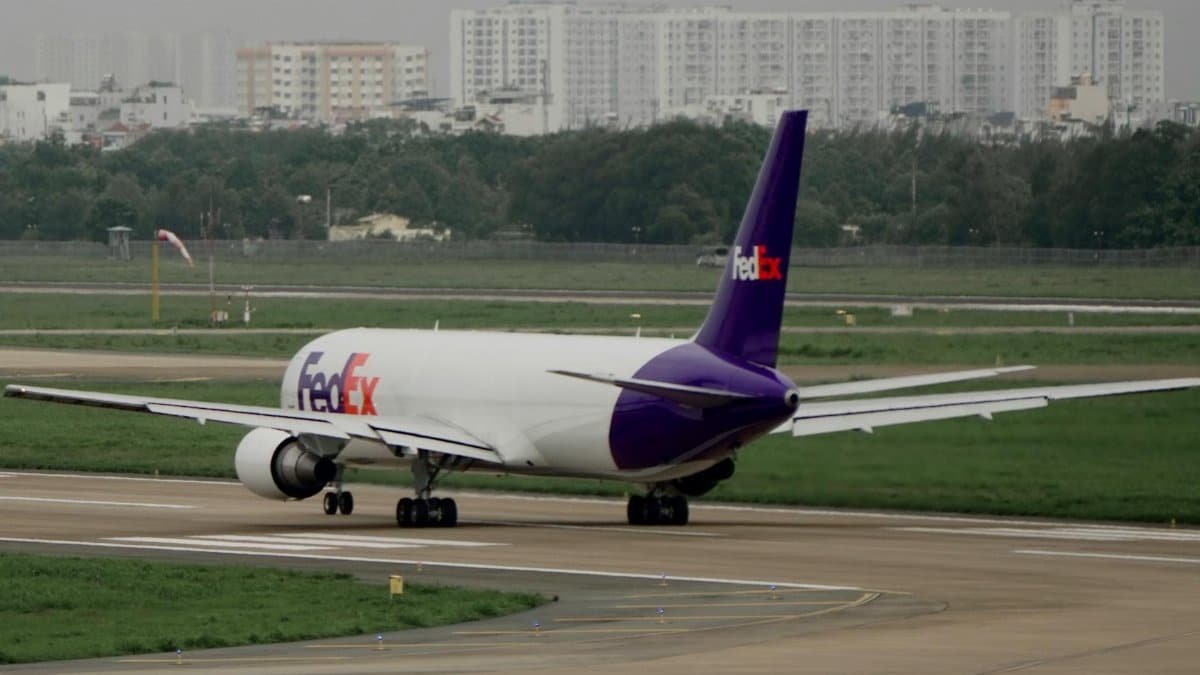
Not to be outdone, FedEx announced parallel adjustments, with domestic ground surcharges rising to 15.75 percent and international air hitting 20.5 percent. Their formula pegs rates to jet fuel and diesel blends, reflecting the carriers diverse operations. FedExs CEO, in a recent earnings call, emphasized that ups fedex fuel costs have eroded 300 basis points of operating margins this year. The changes apply across zones, hitting high volume e-commerce hubs like California and Texas hardest. Smaller sellers, lacking volume discounts, absorb the full brunt.
Decoding the Surcharge Mechanics

Fuel surcharges work as a percentage of the total transportation charge, excluding base rates and accessorials. For a typical 5 pound package from New York to Los Angeles, UPSs new rate adds about 4.50 dollars, FedEx around 4.20 dollars. These escalate weekly, creating budgeting nightmares for sellers. Unlike fixed fees, they fluctuate with market chaos, amplified now by Iran related supply snarls. Industry experts note that while carriers publish tables transparently, the opacity in base rate calculations leaves merchants guessing on true costs.
E-Commerce Sellers Feel the Squeeze

Online merchants, powering 20 percent of U.S. retail sales, rely on UPS and FedEx for 60 percent of shipments. Platforms like Shopify report average logistics costs at 15 percent of revenue; these surcharges push that toward 18 percent. Sarah Kline, mentioned earlier, slashed her ad budget to offset a 2,000 dollar monthly hit. Niche sellers in apparel and home goods, with slim 10 percent margins, face existential threats. Many pivot to slower USPS options or regional carriers, risking delivery delays that erode customer trust.
Consumer Prices Climb in Tandem

The pain trickles down swiftly. A Government Accountability Office study from 2022 showed 70 percent of shipping hikes passed to buyers within months. Expect 5 to 10 percent bumps on everything from gadgets to groceries ordered online. Holiday shopping could see 20 dollar add ons for cross country gifts. Retailers like Etsy sellers voice frustration on forums, dubbing it retail rage. Broader inflation, already at 3.2 percent, gets a logistics fueled nudge.
Historical Echoes from Past Crises

This isnt new territory. During the 2022 Ukraine war, ups fedex fuel costs doubled surcharges temporarily, adding 8 billion dollars industry wide. The 2008 oil spike to 147 dollars a barrel prompted similar pass throughs, contributing to the Great Recession slowdown in e-commerce. Lessons learned include carrier hedging via futures contracts, yet current Iran volatility outpaces those efforts. UPS hedges 70 percent of needs, FedEx 60 percent, leaving gaps filled by customer bills.
Industry Backlash and Alternatives Emerge

Trade groups like the National Retail Federation decry the hikes as punitive, urging federal fuel tax holidays. Sellers flock to disruptors: OnTrac and LaserShip offer 20 percent savings in select regions, while Amazon Logistics expands for its sellers. Regional railroads gain traction for bulk, cutting truck dependency. Some merchants absorb costs short term, bundling free shipping to retain loyalty, though at razor thin profits.
Strategic Plays for Merchants

To navigate, experts advise dimensional weight optimization, consolidating orders, and zone shopping. Software like ShipStation forecasts surcharges, enabling proactive pricing. Diversifying carriers prevents overreliance; many cap UPS at 40 percent of volume. Long term, investing in domestic suppliers shrinks distances, dodging global fuel whims. E-commerce platforms roll out tools for surcharge transparency, empowering buyers to choose.
Government and Global Responses

W Washington eyes strategic reserve releases to temper prices, while the EU probes carrier collusion. Irans oil exports, down 15 percent under sanctions, fuel black market premiums. OPEC Plus production cuts exacerbate shortages. U.S. shippers lobby for infrastructure bills funding electric fleets, though adoption lags a decade behind.
Outlook Through 2026 and Beyond

Projections from BloombergNEF peg diesel at 4.20 dollars per gallon through mid 2026, assuming de escalation. UPSs filings signal peak surcharges at 22 percent if crude hits 100 dollars. E-commerce growth, forecast at 12 percent annually, collides with these headwinds, potentially slowing to 8 percent. Sellers who adapt thrive; others consolidate. In this volatile era, ups fedex fuel costs underscore supply chains vulnerability, urging resilience over reaction. As tensions simmer, merchants watch skies and seas, bracing for the next invoice.
By Natasha Weber