
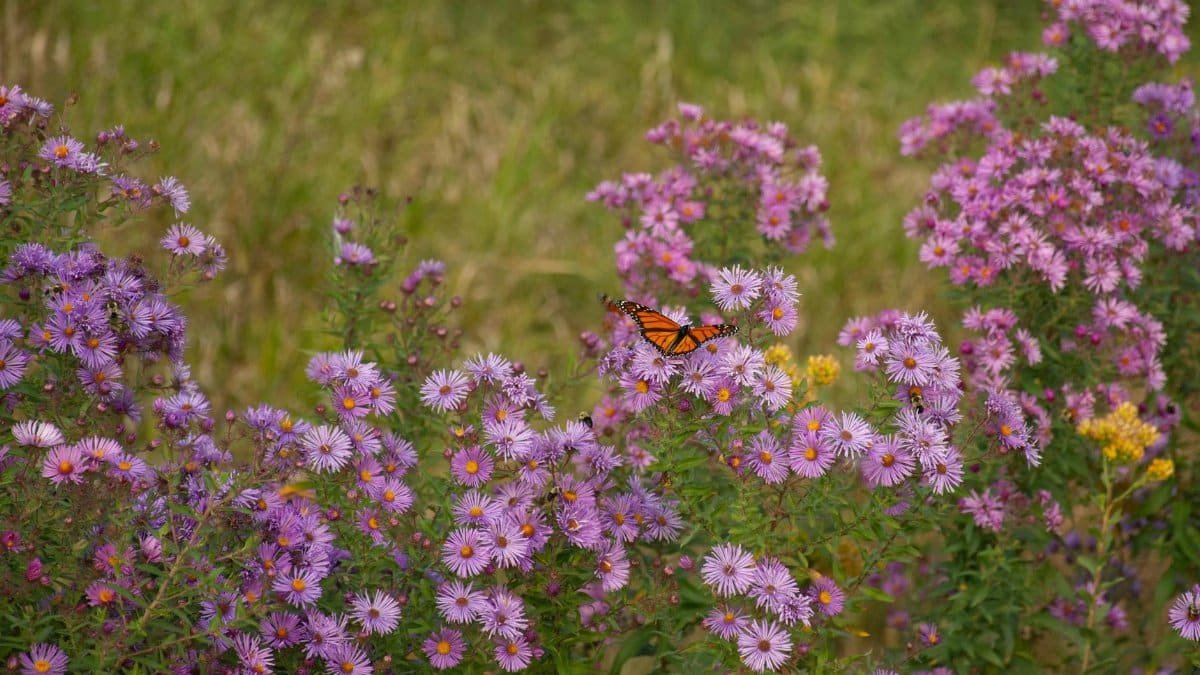
In the crisp mountain air of central Mexico’s oyamel fir forests, a sea of orange and black wings flutters like living confetti against the evergreens. This year, that spectacle has grown dramatically larger. The latest overwintering survey reveals a monarch butterfly population surge of 64 percent, with an estimated 203 million butterflies clustered in their traditional sanctuaries. For conservationists who have watched these iconic insects teeter on the brink, the rebound feels like a rare victory amid broader environmental woes. Yet as researchers pore over the data, questions linger: Is this a true turnaround, or a fleeting bright spot in a fragile story?
The Survey That Sparked Optimism

The numbers come from the World Wildlife Fund Mexico and Mexico’s Commission for National Protected Areas, who counted butterflies across 28 colonies in December 2023 and January 2024. Occupied forest area ballooned to 2.37 hectares from just 1.44 hectares the previous winter, marking the healthiest population since 2017. This monarch butterfly population surge eclipses even pandemic-era fluctuations, when human lockdowns inadvertently boosted numbers by curbing tourism and habitat disruption. Biologists caution that while encouraging, a single year’s jump does not erase decades of decline; eastern monarchs, which migrate from North America, fell 80 percent from 1997 peaks.
Tracing the Roots of Recovery

Several factors converged to fuel this uptick. Abundant rainfall in Texas and the Midwest last summer swelled milkweed patches, the sole food source for monarch caterpillars. Monarch Joint Venture data shows milkweed density rose in key breeding grounds, thanks partly to native plantings by landowners. Milder early fall temperatures allowed more butterflies to fatten up before their 3,000-mile trek south. “It’s a perfect storm of good conditions,” says Gail Morris, a monarch researcher at the University of Minnesota, whose team tracked migration patterns via citizen science apps. Without these breaks, the surge might never have materialized.
Conservation’s Quiet Triumphs

Grassroots efforts deserve much credit. Programs like Monarch Watch have mobilized thousands to sow milkweed seeds across prairies and backyards. In the U.S., the Farm Bill’s conservation reserve program pays farmers to restore pollinator habitats, adding millions of acres since 2019. Mexico’s protected reserves, expanded under President López Obrador, have curbed illegal logging that once ravaged winter roosts. A 2022 study in Proceedings of the National Academy of Sciences ( link ) quantified how such interventions stabilized populations, predicting rebounds like this one if sustained.
The Epic Migration Unfolds
Few natural phenomena rival the monarch’s odyssey. Born in Canada or the northern U.S., fourth-generation butterflies navigate using an internal sun compass and magnetic cues, arriving in Mexico by November. They cluster for warmth, sipping nectar and waiting out winter. Genetic studies reveal a “super generation” that lives eight months, unlike their short-lived forebears. This year’s monarch butterfly population surge underscores the migration’s resilience, even as urban sprawl and pesticides claim breeding sites. Satellite imagery from NASA now maps nectar corridors, guiding restoration.
Milkweed: The Unsung Hero

At the heart of the revival lies milkweed, laden with toxic cardenolides that make monarchs unpalatable to birds. Common milkweed ( Asclepias syriaca ) thrives in disturbed soils, but herbicide use halved its range since the 1990s. Initiatives like the Xerces Society’s milkweed rescue have distributed 2 million plants since 2015. A report from the U.S. Fish and Wildlife Service ( link ) links milkweed recovery directly to larval survival rates, which spiked 40 percent in monitored plots last year.
Shadows of Persistent Threats

Optimism tempers with reality. Droughts, intensified by climate change, parched Midwest breeding grounds in prior years. Herbicides like glyphosate continue to drift onto wildflowers. In Mexico, extreme weather events like 2023’s freezes killed thousands. The International Union for Conservation of Nature lists monarchs as vulnerable, with models forecasting further drops without aggressive action. “One good year buys time, not complacency,” warns Lincoln Brower, the late lepidopterist whose decades of research illuminated these perils.
Climate’s Double-Edged Sword

Warmer winters might extend breeding seasons but disrupt cues for migration. A 2023 Nature Climate Change analysis ( link ) projects shifting routes, potentially stranding butterflies. Yet adaptive traits shine through: some western monarchs, surging 300 percent to 200,000 in California, show tolerance to new nectar sources. This monarch butterfly population surge hints at evolutionary flexibility, though scientists urge carbon cuts to preserve fir forests that regulate roost microclimates.
Spiritual Echoes in Winged Wanderers

Beyond biology, monarchs evoke deeper resonance. Indigenous Mexica revered them as souls of ancestors returning on Día de los Muertos, their arrival coinciding with the holiday. In a secular age, their improbable journeys symbolize perseverance amid upheaval—much like humanity’s own environmental reckoning. Conservationist Doug Taron likens them to “orange prayers fluttering toward redemption.” For middle-aged observers, who recall childhood fields thick with butterflies, this surge stirs nostalgia laced with stewardship.
Western Monarchs Join the Rally

Not to be overshadowed, California’s overwintering western population exploded to 203,000 from 1,500 two years prior. Reforestation at Pacific Grove and native plant drives along the coast fueled the boom. The Xerces Society credits community science, with apps like iNaturalist logging millions of sightings. This parallel monarch butterfly population surge validates cross-border strategies, as gene flow links eastern and western flocks.
Policy Pivots on the Horizon

The U.S. Fish and Wildlife Service delayed listing monarchs as endangered in 2020, citing uncertainties. Now, buoyed by data, advocates push for protections under the Endangered Species Act. Bipartisan bills fund habitat banks, while corporate pledges—like those from General Mills to restore 1 million acres—gain traction. Mexico’s 2024 pledge to ban neonicotinoids signals alignment.
What You Can Do Today

Individuals wield influence. Plant pesticide-free milkweed natives to your zone (avoid tropical varieties that host pests). Join citizen science via Journey North or eButterfly. Advocate for local pollinator ordinances. Simple acts compound: a single yard can sustain dozens of caterpillars. As one Texas gardener put it, “It’s not saving the world, but it’s saving a piece of wonder.”
A Glimmer of Broader Hope

This monarch butterfly population surge arrives as pollinators everywhere falter—bees down 30 percent, bats ravaged by disease. It spotlights interconnected ecosystems: healthier butterflies mean robust crops, from almonds to alfalfa. For conservationists, it’s proof that science, policy, and passion converge to heal wounds. As fir branches bend under tangerine tides, the message hums clear: nature rebounds when we step aside and lend a hand.By Chris F. Weber