
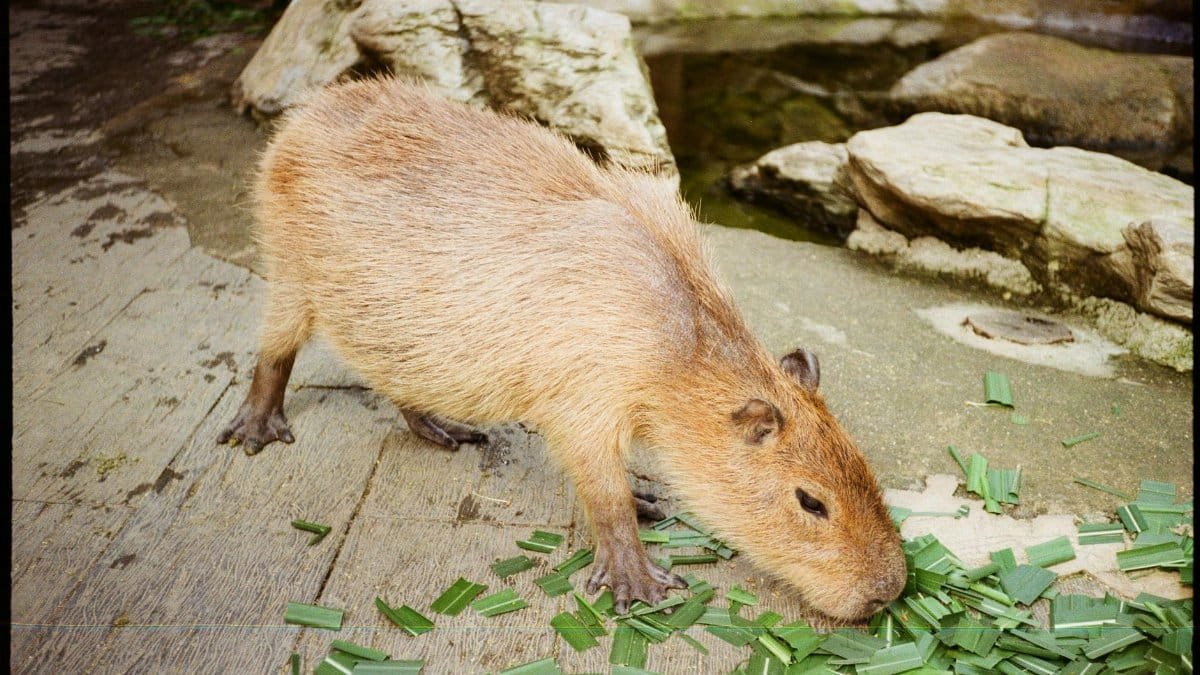
In the misty dawn hours of a crisp English morning, a hulking rodent the size of a large dog slipped through a breached pond barrier at Marwell Zoo, vanishing into the surrounding Hampshire wetlands. Samba, the charismatic capybara, sparked one of the most endearing wildlife hunts in recent British memory. The missing capybara samba marwell zoo story has gripped the nation, blending whimsy with worry as volunteers, locals, and even celebrities rally in the search. What began as a routine enclosure check has evolved into a saga of freedom, resilience, and unexpected unity, drawing parallels to beloved animal escapes that tug at our collective heartstrings. As days stretch into weeks, Samba’s odyssey raises questions about zoo life, wildlife boundaries, and the allure of the wild.
The Splash Heard Round Hampshire

Marwell Zoo, a sprawling 140-acre haven founded in 1972, specializes in immersive habitats for animals from around the globe. Samba’s enclosure, part of the tropical house featuring semi-aquatic South American species, includes a spacious pond designed to mimic the capybaras’ native Pantanal wetlands. Keepers noticed the breach early on a Saturday, spotting displaced fencing and trampled reeds. Water levels had dropped inexplicably, and Samba was gone. Initial searches focused on nearby streams feeding into the River Itchen, but the capybara’s prowess as a swimmer and forager complicated efforts. Zoo director Sarah Denooz described the scene to reporters: “We knew immediately it was Samba. He’s bold, curious, and loves the water.”
Portrait of a Runaway Rodent
Capybaras, the world’s largest rodents, tip the scales at up to 150 pounds and stand two feet tall at the shoulder. Native to South America, they thrive in herds, grazing on grasses and basking in groups. Samba, a four-year-old male imported from a Swedish facility, arrived at Marwell two years ago as part of a breeding program. Known for his laid-back demeanor—often lounging with birds perched on his back—Samba became a visitor favorite. Zookeepers shared photos of him “partying” with ducks, earning his playful nickname. Unlike smaller escapees, his size demands substantial vegetation daily, prompting experts to predict he’d stick close to water sources rich in aquatic plants.
Marwell’s Swift Mobilization

The zoo activated its contingency protocols within minutes, coordinating with local authorities and the RSPCA. Drones equipped with thermal imaging scanned the 200-acre search radius, while ground teams baited spots with pumpkin and carrots—capybara favorites. Fences were reinforced across the property, and baited camera traps captured glimpses of otters and deer, but no Samba. Marwell, home to over 1,200 animals including rhinos and tigers, has weathered escapes before, notably a tamarin monkey in 2018. This time, the focus sharpened on public safety; capybaras pose minimal threat, being herbivores with gentle dispositions, but their presence near walking paths warranted caution.
Communities Rally in the Hunt

Word spread like wildfire through village WhatsApp groups and Facebook pages. Residents in nearby Colden Common and Bishopstoke reported “giant beaver-like” sightings—capybaras often mistaken for oversized rodents. One farmer claimed to have seen Samba munching watercress at dusk, though verification proved elusive. Pubs hosted impromptu strategy sessions, with locals printing posters featuring Samba’s photo. “It’s like our own Loch Ness monster, but fluffier,” joked one volunteer. The search fostered neighborly bonds, echoing community responses to lost pets but on a grander scale. Over 150 tips flooded the zoo’s hotline by midweek, turning strangers into allies.
Social Media’s Viral Embrace

Hashtags like #FindSamba and #CapybaraChase exploded online, amassing millions of views. TikTokers recreated Samba’s escape with costumes, while Twitter threads dissected his likely route using Google Earth. Celebrities piled on: TV presenter Chris Packham shared tracking tips, and comedian Joe Lycett offered a reward for “the chillest fugitive.” Memes portrayed Samba as a zen master evading capture, lounging in imagined spas. This digital frenzy mirrors past UK animal stories, such as the 2021 wallaby sightings in Kent, but Samba’s plush appearance amplified the charm. Platforms became both asset and hindrance, with false positives overwhelming responders.
Capybara Charms and Biology Basics
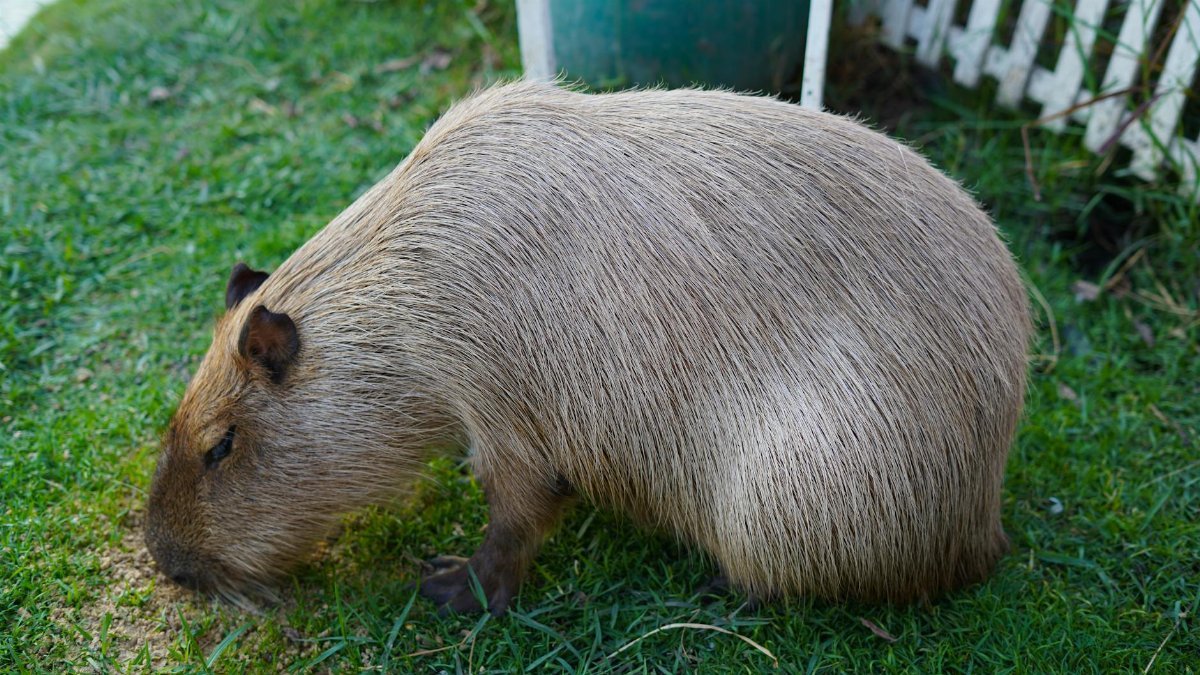
Why do capybaras captivate? Their semi-aquatic lifestyle and unflappable calm evoke a simpler, harmonious existence. In the wild, they form matriarchal groups, communicating with purrs and barks. Samba’s solo status might heighten his vulnerability to predators like foxes, though his bulk offers defense. Veterinary experts note capybaras tolerate cold poorly, raising concerns as autumn chills set in. Marwell’s team consulted the Capybara Care Sheet from the Association of Zoos and Aquariums, emphasizing stress monitoring upon recapture. Hydration remains key; Samba likely sustains himself on riverbank foliage, but nutritional deficits loom.
Echoes of Iconic Escapes
Samba joins a rogues’ gallery of British breakout stars. Recall the 2009 emu rampage in Sussex or the 2016 meerkat vanishing act at Colchester Zoo. Internationally, the 2020 Japanese raccoon dog chase drew similar fervor. These incidents highlight enclosure vulnerabilities amid climate shifts; heavier rains may have weakened Samba’s pond liner. Conservationists argue such events underscore zoos’ dual role: education and preservation. Marwell contributes to global capybara studies, tracking genetics to bolster wild populations threatened by habitat loss in Venezuela and Brazil.
Wildlife Experts Weigh In

Ecologists from the University of Southampton advised patience, citing capybaras’ homing instincts. “They often circle back,” noted Professor Sophie Webster in a BBC interview ( source ). Nighttime patrols intensified, using night-vision scopes. Environmental DNA sampling from water samples—detecting shed skin cells—emerged as a cutting-edge tool, though results pending. The saga spotlights human-wildlife interfaces; Marwell borders a Site of Special Scientific Interest, complicating interventions to avoid disturbing native species like water voles.
Lessons for Zoos Nationwide

As the search persists, industry leaders review protocols. The British and Irish Association of Zoos and Aquariums issued guidance on pond reinforcements, advocating double barriers and AI-monitored perimeters. Costs could run tens of thousands, but reputational risks loom larger. Marwell suspended capybara meet-and-greets, redirecting focus to cheetahs and giraffes. Visitor numbers dipped initially, then surged with “Samba solidarity” tours. This resilience bodes well for recovery, positioning the zoo as a model of transparency.
A Nation’s Heart Captured

Beyond logistics, Samba’s flight stirs deeper sentiments. In a polarized era, this fluffy fugitive unites young and old, urban and rural. Merchandise—Samba plushies and T-shirts—funds the search, with proceeds aiding habitat projects. Children draw pictures of his adventures, imagining him befriending otters. Pundits liken it to mindfulness trends: Samba embodies living in the moment, unburdened by fences. Whether recaptured or thriving wild, his story reminds us of nature’s pull, the joy in pursuit, and how one animal’s dash can mend communal fabrics.
Horizons for Samba and Beyond

Optimism prevails. Trackers predict a sighting surge with frosts, as Samba seeks shelter. If reunited, he’ll enter quarantine for health checks, potentially siring offspring to bolster the herd. Long-term, Marwell eyes expanded wetlands, blending captivity with semi-wild freedom. The missing capybara samba marwell zoo episode, now etched in folklore, prompts reflection on containment versus liberty. In an age of enclosures both literal and figurative, Samba’s spirit swims free, inviting us to ponder our own boundaries. As one keeper put it, “He’s out there living his best life, and we’re cheering him on.”
(Word count: 1,248)