

Picture this: a cozy Oakland eatery where the aroma of wood fired pizzas once lured crowds without a second thought about the bill. Now, a new line on the receipt catches eyes, a service surcharge that has sparked whispers and walkouts. Across the country, restaurant menu prices rising have become the unspoken reality, driven by soaring fuel costs that ripple through supply chains and delivery fleets. From truckers hauling produce to DoorDash drivers zipping through traffic, every mile adds to the tab. Diners feel it at checkout, prompting questions about fairness and value in an era of pinched wallets. This shift is not just numbers on a menu, it reflects broader economic tremors shaking the dining landscape.
Fuel Costs Fuel the Fire

Gasoline prices have surged past four dollars a gallon in many regions, a direct hit to restaurants reliant on constant food deliveries. Truckers report diesel costs up thirty percent year over year, forcing suppliers to pass expenses along. A California farm to table spot might see avocado shipments double in price due to cross country hauls. This chain reaction means restaurant menu prices rising as owners scramble to cover basics. Industry analysts point to events like the Ukraine conflict and refinery slowdowns as culprits, with no quick relief in sight. Chefs in high cost areas like San Francisco confide that without adjustments, margins evaporate overnight.
Delivery Apps Amplify Expenses

Third party delivery services have exploded in popularity, but they come with hefty commissions, often twenty to thirty percent per order. Fuel hikes make matters worse, as couriers burn more to fulfill rush hour demands. A burger joint partnering with Uber Eats watches costs climb while retaining slim profits. To offset, many tack on delivery fees or nudge up base prices subtly. This contributes to the trend of restaurant menu prices rising, even for dine in patrons indirectly affected by the overall cost structure. Data from restaurant tech firms shows delivery volume up forty percent since the pandemic, locking in these elevated expenses.
Surcharges Emerge as a Tool

Rather than broad price hikes, savvy operators introduce targeted surcharges, labeling them as fuel fees or service charges. A four percent add on for credit card processing or employee benefits appears on checks nationwide. In Oakland, Burdell restaurant faced backlash for a five percent service fee, as detailed in a San Francisco Chronicle report. Proponents argue transparency, letting customers decide, while critics call it sneaky inflation. These line items allow flexibility amid volatile costs, but they fuel diner distrust.
Diners Voice Growing Frustration

Online forums and review sites buzz with complaints, tags like local rage capturing the sentiment. A viral TikTok from Chicago showed a family stunned by a twenty dollar seafood platter now pushing fifty. Middle aged diners, squeezed by their own rising household bills, feel betrayed by once affordable escapes. Surveys indicate sixty percent notice and resent menu creep, with some opting for home cooking or fast casual alternatives. This backlash pressures restaurants to communicate changes clearly, lest loyalty erodes.
Chefs Navigate Tough Choices
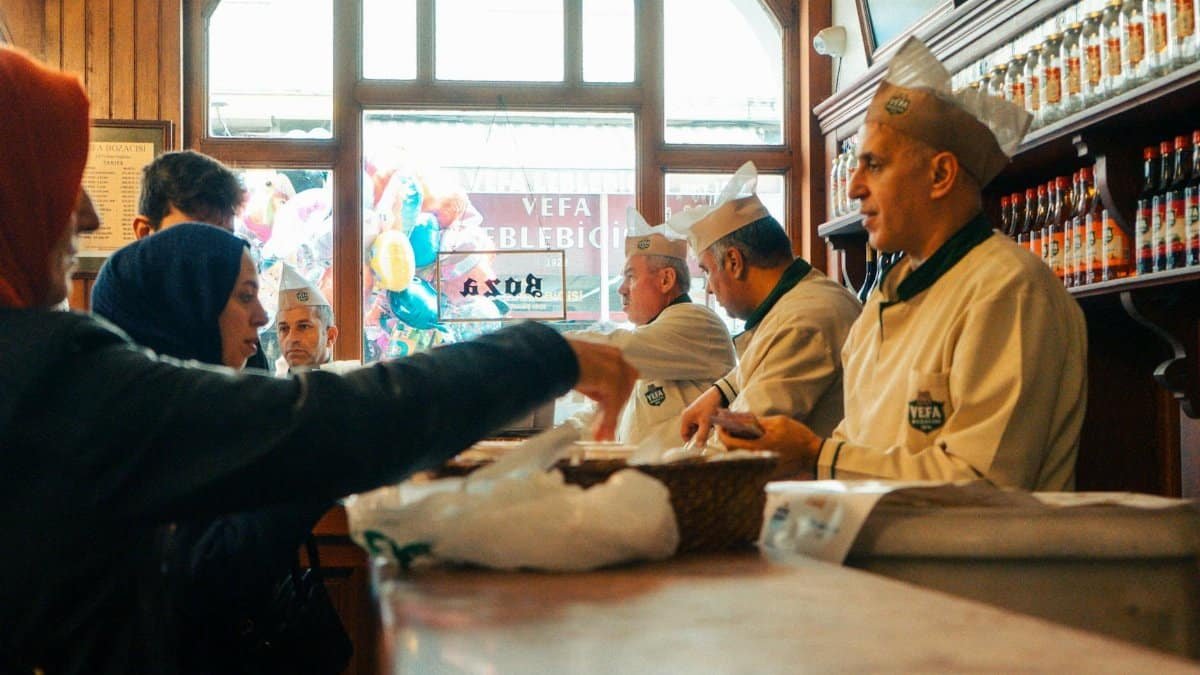
Behind the scenes, award winning chefs weigh portion tweaks against outright hikes. One New York operator shared swapping premium beef for local alternatives, still passing on ten percent increases. Sustainability efforts clash with economics, as organic produce soars. Restaurant menu prices rising become inevitable when wholesale food inflation hits twelve percent, per USDA figures. Many host town halls with regulars, explaining the math to build understanding amid the strain.
Supply Chain Strains Exposed
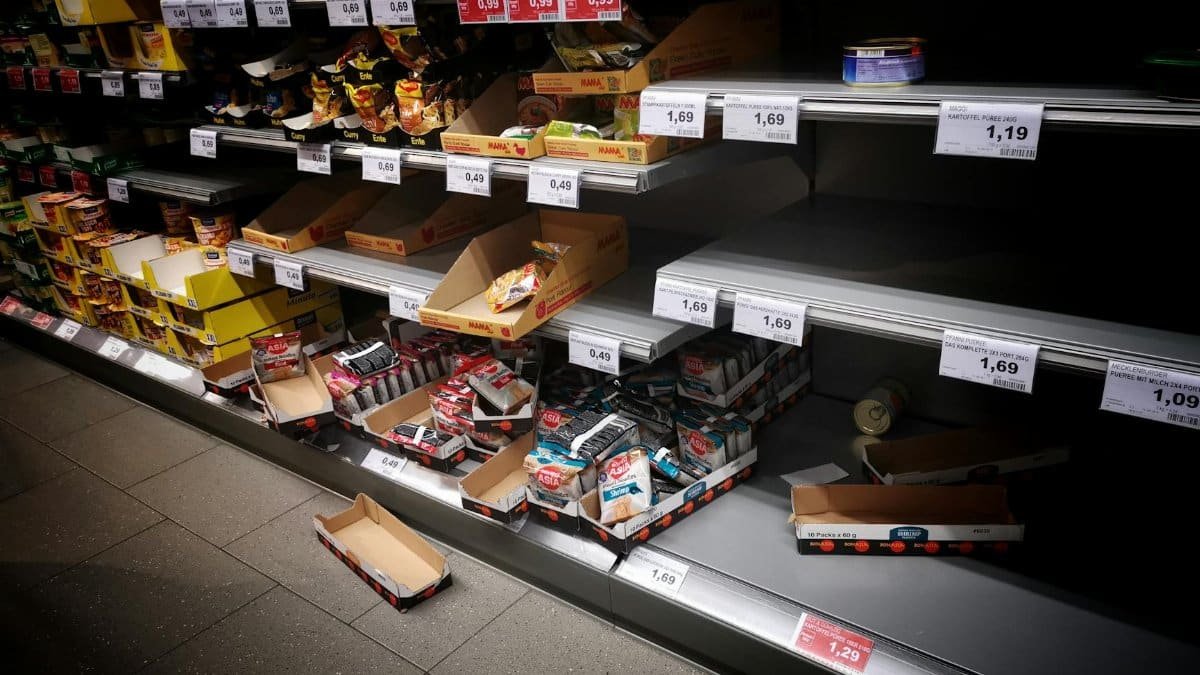
Pandemic disruptions linger, compounded by weather events battering farms and ports. California droughts spike citrus costs, while Midwest floods delay grains. Fuel scarcity in Europe echoes stateside, tightening global feeds. A single tomato shipment delay can idle kitchens, prompting preemptive pricing. This vulnerability underscores why restaurant menu prices rising feel relentless, tied to forces beyond any owners control.
Innovations to Counter Costs

Not all respond with hikes, some innovate. Ghost kitchens minimize overhead by focusing on delivery only, slashing rent. Local sourcing cuts transport needs, like urban farms supplying herbs blocks away. Tech streamlines inventory to waste less, preserving margins. A Portland collective buys in bulk cooperatively, stabilizing prices for members. These moves offer hope, potentially easing upward pressure over time.
Regional Variations in Impact

Coastal cities bear heavier loads from import reliance, while heartland spots leverage shorter hauls. In Texas, barbecue joints absorb fuel hits via volume, but fine dining in Miami passes them fully. Urban density aids efficiency, yet traffic inflates delivery fuel. This patchwork means restaurant menu prices rising hit unevenly, with Sun Belt booms softening blows through tourism influxes.
Consumer Strategies for Savings

Diners adapt too, hunting happy hours or loyalty apps for deals. BYOB spots sidestep wine markups, while markets enable gourmet home meals. Apps like Resy reveal prix fixe steals before hikes. Mindful spending prevails, prioritizing experiences over extravagance. Tracking trends via sites like Eater helps spot value havens amid the flux.
Outlook Amid Uncertainty

Economists predict fuel stabilization by mid year if oil markets calm, but labor shortages add layers. Federal probes into price gouging loom, urging restraint. Optimists see menu creativity flourish, blending thrift with flair. For now, restaurant menu prices rising signal adaptation in a turbulent world. Patrons and proprietors alike seek balance, preserving the joy of shared plates.
As fuel eases perhaps, so might tensions, but the lesson endures: dining out evolves with the times. From Oakland controversies to nationwide shifts, transparency builds bridges over budgetary divides.