
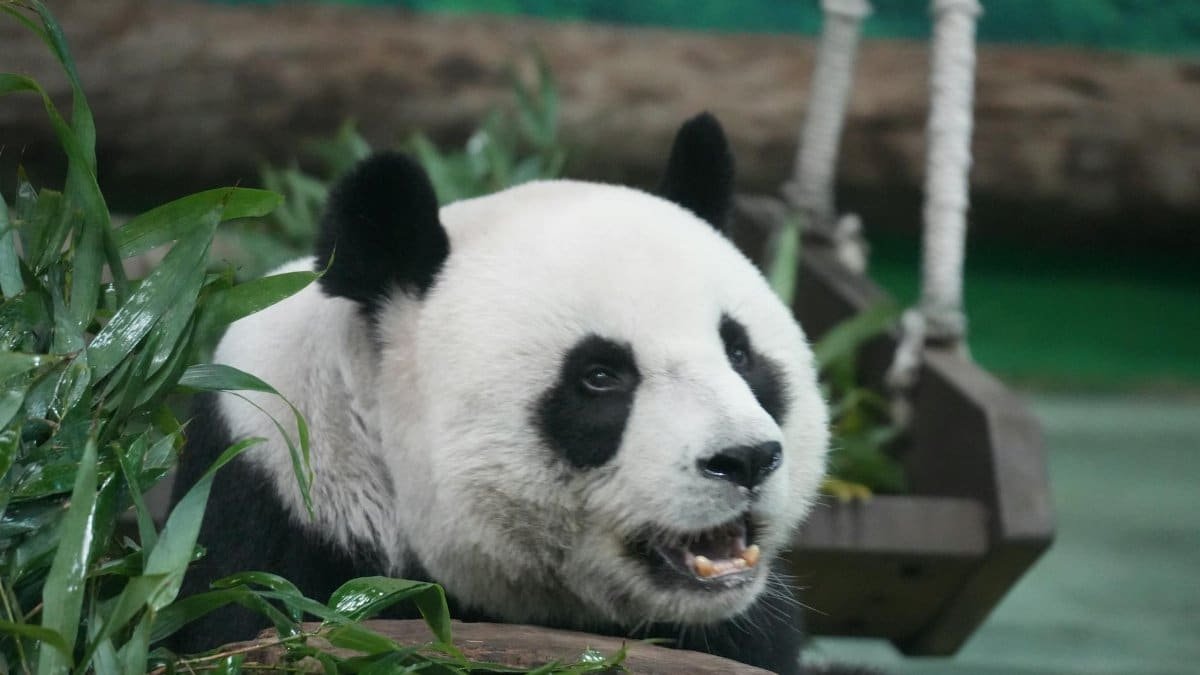
In the dappled sunlight of the Smithsonian National Zoos Asia Trail, two young giant pandas named Bao Li and Qing Bao have turned a routine spring day into a spectacle of playful courtship. Bao Li, the spirited male, chases his sister Qing Bao with gentle nudges and chirps, their black masked faces peering curiously as they tumble in the grass. This enchanting display of smithsonian pandas flirting has drawn crowds, cameras clicking furiously, as visitors witness what biologists call a promising sign of natural bonding. For a species long on the brink, these moments evoke hope amid global conservation efforts, reminding us of natures resilient rhythms even in captivity.
The Journey from China to Washington

Bao Li and Qing Bao arrived at the Smithsonian National Zoo in late 2024, part of a renewed diplomatic and conservation partnership between the United States and China. Born just days apart in July 2021 at the Wolong National Nature Reserve, the twins represent the latest chapter in panda diplomacy. Their loan agreement, valued at millions, underscores the pandas role as ambassadors for biodiversity. Zoo officials prepared a state of the art habitat complete with climbing structures, bamboo groves, and climate controlled dens to mimic their Sichuan Province homeland. Since debuting publicly, the duo has captivated audiences, with daily attendance spiking by 20 percent according to zoo records.
Understanding Panda Social Dynamics

Giant pandas, often portrayed as solitary loners, reveal a more nuanced social life during breeding season. Flirting behaviors, observed meticulously by keepers, include vocalizations like bleats and chirps, scent marking, and physical play. Bao Li has taken the lead, rolling and pawing at Qing Bao in what experts describe as classic precourtship antics. These interactions peak in spring, triggered by lengthening days and hormonal shifts. Unlike more aggressive mating rituals in other species, panda flirtations appear almost whimsical, fostering familiarity before potential pairing.
Spring Signals: Chirps and Chases

This years smithsonian pandas flirting season kicked off earlier than expected, with Bao Li initiating contact in early March. Live cams on the zoos website captured him following Qing Bao from tree to tree, their fluffy forms weaving through enclosures. Qing Bao responds with playful retreats and mutual grooming, behaviors that signal comfort and interest. Keepers note increased appetite and energy levels, hallmarks of readiness. Such displays not only entertain but provide critical data on reproductive health, streamed to thousands worldwide.
Conservation Stakes in Every Tumble

With fewer than 1,800 giant pandas left in the wild, every flirtation holds weight. The species uplisting from endangered to vulnerable in 2016 owes much to captive breeding successes, yet genetic diversity remains a concern. Bao Lis and Qing Baos lineage traces to wild caught ancestors, making their potential pairing valuable for bolstering the global panda gene pool. The Smithsonian has a track record here, having facilitated 10 cub births since 2000. Success could yield cubs by summer 2026, advancing reintroduction efforts.
Crowds Flock to the Panda Cam Magic
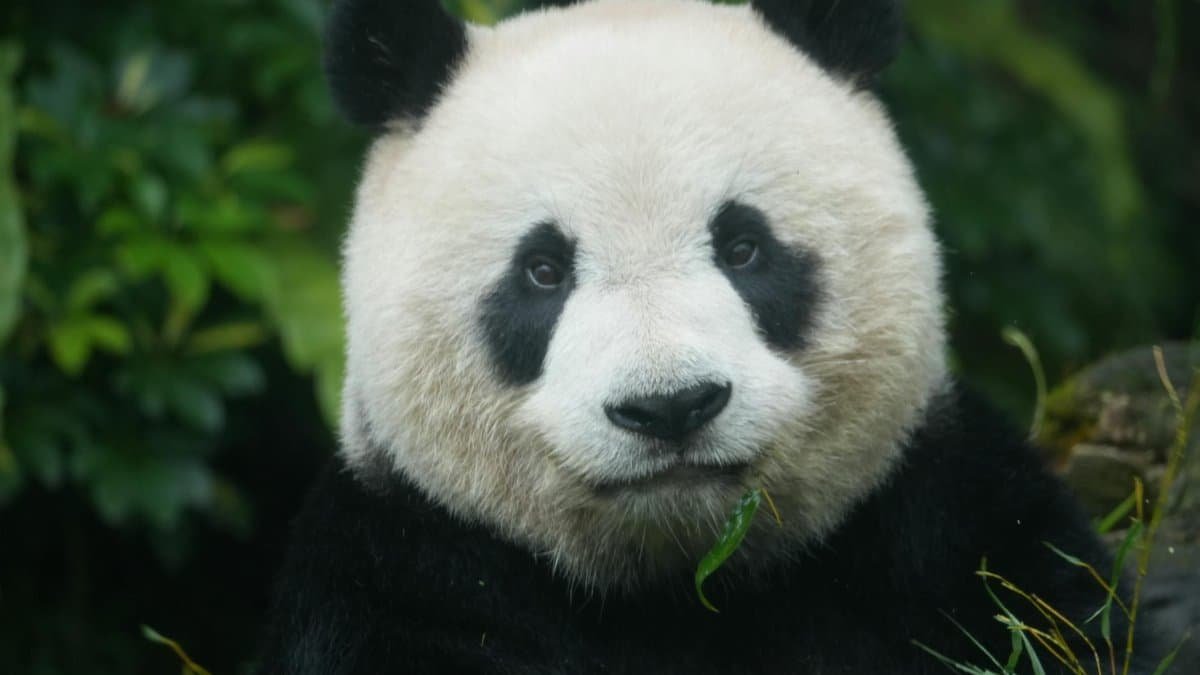
Visitors describe the scene as mesmerizing. Families line the viewing platforms, children pressing noses to glass while parents snap selfies. Social media erupts with hashtags like #PandaLove, amassing millions of views. One attendee, Sarah Kline from Virginia, shared, These pandas flirting feels like watching a rom com unfold in real time. Its pure joy. Merchandise sales of panda plush toys have surged, funding further conservation. The zoos panda cam, accessible at nationalzoo.si.edu, logs record traffic during peak flirt hours.
Biologists Weigh In on the Romance

Dr. Brandie Kahn, a panda specialist at the Smithsonian, observes that these behaviors indicate healthy development. In a recent update on the zoos site, she noted, Bao Li and Qing Bao are building essential bonds through play, crucial for future breeding. Studies from the Chengdu Research Base, linked via pandasinternational.org, corroborate that early flirtations predict higher conception rates. Keepers intervene minimally, allowing natural progression while monitoring via hidden cameras.
From Ling Ling to the Bao Twins: A Storied History

The Smithsonians panda saga began in 1972 with Ling Ling and Hsing Hsing, gifts from China post Nixons visit. Over decades, Mei Xiang and Tian Tian produced cubs like Tai Shan and Bei Bei, who returned to China. Bao Li and Qing Bao continue this legacy, their flirtations echoing past successes. Archival footage shows similar spring antics, blending nostalgia with fresh excitement. The program has raised over $50 million for habitat protection in China.
Media Frenzy and Viral Moments

Smithsonian pandas flirting has gone viral, featured on CNN and TikTok reels with slow motion chases garnering 10 million likes. Late night hosts quip about panda dating advice, while childrens books capitalize on the theme. This cultural ripple extends the zoos reach, inspiring donations and awareness. Photographers like National Geographic contributor Wei Layer capture intimate portraits, published in outlets worldwide.
Challenges in Captive Breeding
Not all flirtations lead to cubs. Pandas ovulate briefly once yearly, demanding precise timing. Artificial insemination supplements natural efforts, with a 60 percent success rate per the IUCN. Bao Li and Qing Baos youth, at three years, means they may need seasoning. Veterinarians track hormone levels via urine samples, adjusting diets rich in bamboo shoots and supplements. Past failures, like Mei Xangs singleton cubs, highlight the delicacy involved.
Global Echoes of Panda Diplomacy

Beyond flirtations, the twins symbolize thawing U.S. China relations. Their loan coincides with high level talks, pandas long serving as soft power tools. Conservationists praise the model, with funds supporting anti poaching and forest restoration. Similar programs thrive at zoos in San Diego and Atlanta, pooling data for species survival.
Spiritual Renewal in Panda Play
In a world weary from division, the innocent smithsonian pandas flirting offers a spiritual tonic. Their unscripted joy mirrors springs eternal promise of rebirth, evoking ancient symbols of harmony in Chinese lore where pandas embody yin yang balance. For middle aged observers, it prompts reflection on connections forged through play, a reminder that even endangered lives teach resilience and delight. As Bao Li nuzzles Qing Bao, natures wisdom unfolds, inviting us to pause and appreciate.
Prospects for Pandas and Beyond
Should romance blossom, cubs could debut by 2027, thrilling a new generation. Meanwhile, the flirtations sustain public passion for wildlife. Zoo director Brandie Smith envisions expanded habitats, urging support via nationalzoo.si.edu/animals/news. In these playful pursuits, hope persists for pandas and the fragile ecosystems they represent, one chirp at a time.
Chris F. Weber reports on wildlife and conservation trends from Washington, D.C.