

As families across America finalize their summer getaway plans, a harsh reality is settling in at booking sites and airport counters. Imagine booking a round-trip flight from New York to Orlando for a week at Disney World, only to watch the price jump by $200 per ticket in hidden fees. This scenario is playing out for millions, as airlines reintroduce and hike fuel surcharges amid soaring oil prices triggered by escalating tensions in the Iran conflict. Summer travel airfares, already strained by post-pandemic demand, now face a double blow from these surcharges and broader fare increases. Experts warn that the average family vacation could cost hundreds more, fueling widespread frustration just as peak season arrives.
The Roots of the Fuel Surcharge Revival
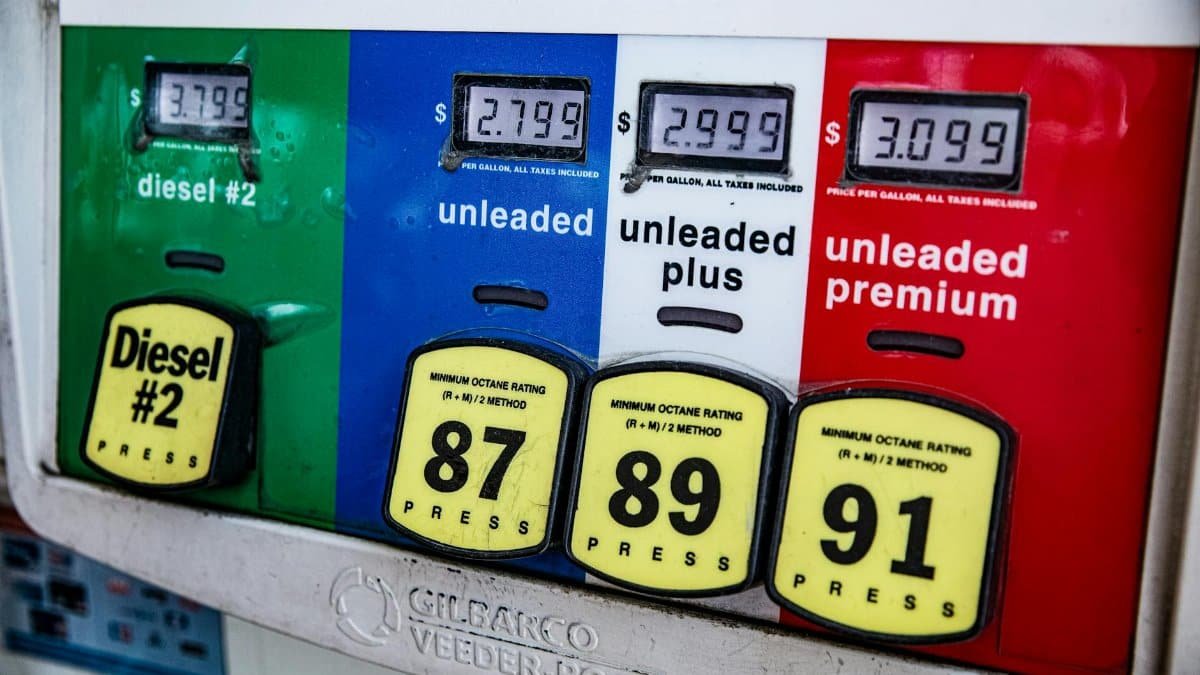
Airlines have long used fuel surcharges to offset volatile oil prices, a practice that faded during periods of stability but is roaring back. With Brent crude oil surpassing $90 per barrel recently, carriers like Delta and United have announced surcharges starting at $50 per segment on international routes. The Iran war has disrupted key shipping lanes in the Strait of Hormuz, through which 20 percent of global oil flows. This geopolitical flashpoint, combined with OPEC production cuts, has pushed costs higher. Domestic flights are not immune either, as U.S. carriers pass on the pain to transatlantic and transpacific travelers first.
Geopolitical Tensions Driving Oil Spikes

The ongoing conflict involving Iran has sent shockwaves through energy markets. Strikes on oil facilities and threats to regional infrastructure have analysts at Goldman Sachs revising forecasts upward, predicting sustained high prices through the summer. This mirrors the 2019 drone attacks on Saudi Aramco plants, which briefly spiked prices 15 percent. For summer travel airfares, the impact is immediate: Jet fuel, which constitutes up to 30 percent of operating costs, is up 25 percent year-over-year according to the International Air Transport Association. Passengers feel it most on long-haul routes to Europe and Asia.
Which Airlines Are Hitting Wallets Hardest

European carriers lead the charge, with British Airways adding up to 500 euros on some transatlantic tickets and Lufthansa imposing tiered surcharges based on distance. In the U.S., American Airlines has quietly raised base fares by 5 to 10 percent while tacking on $30 to $100 in fuel fees for select routes. Low-cost players like Spirit and Frontier, often praised for affordability, are following suit with surcharges that erode their edge. A recent Hopper analysis shows summer travel airfares to popular spots like Cancun averaging $450 round-trip, a 12 percent increase from last year.Cheapism reports that these fees could total $1 billion industry-wide by fall.
Popular Summer Destinations Feeling the Pinch

Beachgoers headed to Florida or Hawaii are seeing fares climb fastest. A flight from Chicago to Miami, once under $200, now routinely exceeds $300 with surcharges. International hotspots like Paris and Tokyo face even steeper hikes; Paris fares from the U.S. East Coast have risen 18 percent. Data from Kayak indicates that economy class to Europe averages $1,200 round-trip, burdened by both fuel add-ons and dynamic pricing algorithms that capitalize on demand. Families planning multi-city itineraries, common for summer travel airfares, face compounded costs as each leg incurs separate fees.
Passenger Rage and Booking Trends Shift

Travel rage is boiling over on social media and review sites, with hashtags like #AirlineGreed trending amid boycott calls. Many opting for road trips or trains report a 30 percent uptick in Amtrak bookings for domestic routes. Road warrior surveys by The Points Guy reveal 40 percent of frequent flyers delaying summer plans or choosing closer destinations. This shift underscores a broader discontent: Airlines cite surcharges as temporary, yet base summer travel airfares have not fallen, leading to accusations of profiteering during peak demand.
Historical Precedents and Lessons Learned

Flash back to 2008, when oil hit $147 per barrel, prompting surcharges that added $500 to some tickets and contributed to industry bankruptcies. Today’s scenario echoes that volatility but with fuller planes and stronger balance sheets post-Covid recovery. The 2022 Ukraine invasion similarly jacked up fuel costs by 50 percent, yet surcharges were more restrained then. Now, with Iran tensions, carriers argue necessity, but consumer advocates like those at FlyersRights.org decry the lack of transparency in how fees are calculated and applied.
Strategies to Dodge the Surcharge Bullet

Savvy travelers are fighting back. Booking midweek flights or using miles for international legs can sidestep some fees, as loyalty programs often waive surcharges. Tools like Google Flights now flag fuel add-ons upfront, empowering comparisons. Experts recommend bundling with hotels via packages that absorb airline hikes. For domestic jaunts, driving or budget carriers without international exposure remain viable. Timing matters too: Fares dip slightly in early June before July peaks. These tactics could save $100 to $300 per ticket on affected summer travel airfares.
Industry Outlook: Relief on the Horizon?

Airlines project surcharges persisting through September, barring a de-escalation in Iran. Delta’s CEO noted in a recent earnings call that hedging covers only 40 percent of fuel needs, leaving exposure. Optimists point to increased U.S. production and potential ceasefires, but forecasts from Airlines for America suggest a 7 percent overall fare rise for 2024. As summer travel airfares stabilize, regulators may scrutinize fee practices more closely, especially with the DOT’s ongoing review of junk fees.
The Broader Economic Ripple Effects

Beyond individual wallets, these hikes strain the $1 trillion U.S. travel economy. Hotels and attractions in tourist hubs like Orlando report softening bookings, with occupancy projections down 5 percent. Small businesses dependent on visitor spending brace for leaner months. Economists at Moody’s warn of tempered consumer spending growth, as families redirect budgets from vacations to essentials. This double hit from fuel surcharges and elevated summer travel airfares underscores how global conflicts infiltrate everyday American life.
By Natasha Weber