

In a stark address from the White House Rose Garden last week, President Donald J. Trump warned that the United States stands ready for what he described as a “long war” with Iran if Tehran does not halt its nuclear ambitions and regional aggressions. “We will not blink,” Trump declared, flanked by top military brass and Israeli Prime Minister Benjamin Netanyahu. This rhetoric marks a pivotal escalation in the “trump long war iran” narrative that has simmered since his first term, evoking memories of Soleimani’s killing and the Abraham Accords. As proxy battles rage from Yemen to Lebanon, Trump’s signal raises profound questions about America’s endurance in a conflict that could redefine global order.
Trump’s Evolving Stance on Iran

President Trump’s approach to Iran has hardened over years, blending personal grievance with strategic calculus. During his initial presidency, the “maximum pressure” campaign of sanctions and the 2020 drone strike on General Qasem Soleimani set a confrontational tone. Now, re-elected and facing a more emboldened Tehran, Trump invokes the specter of prolonged engagement. Advisors close to the administration say private briefings emphasize Iran’s missile advancements and alliances with Russia and China, framing the threat as existential. Yet critics argue this posture risks entangling the U.S. in endless Middle East quagmires, echoing Iraq and Afghanistan.
Roots in the Nuclear Standoff
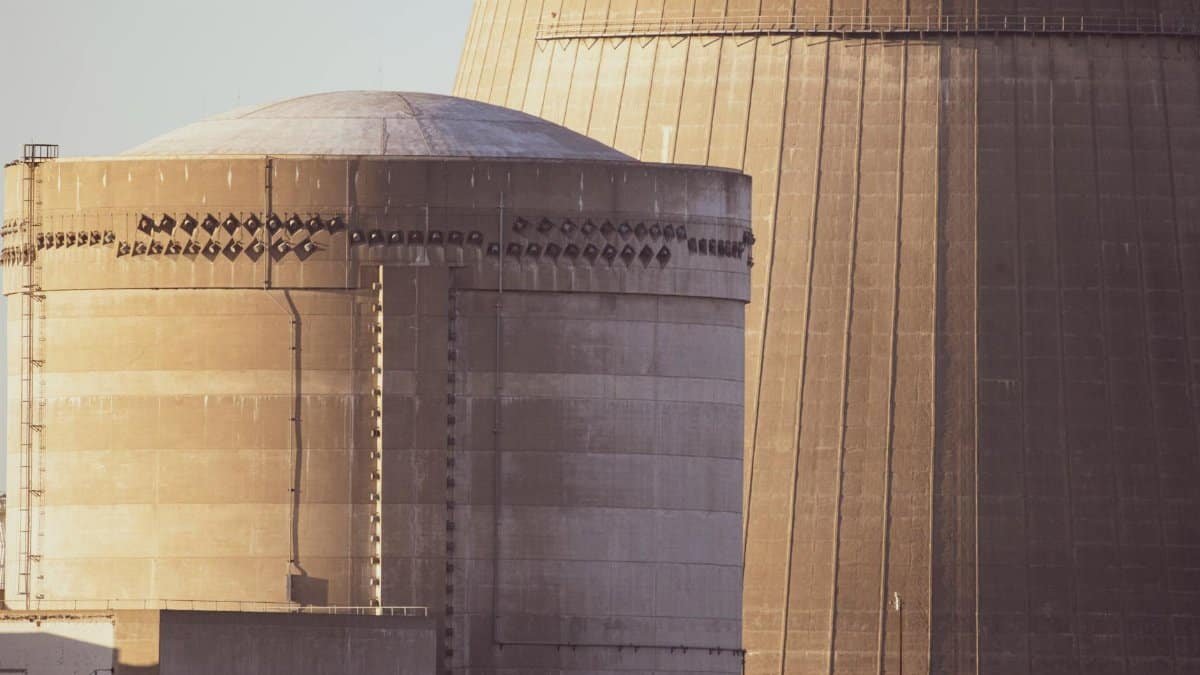
At the heart of the “trump long war iran” dynamic lies the frayed 2015 nuclear deal, which Trump abandoned in 2018. Iran has since enriched uranium to near weapons-grade levels, according to International Atomic Energy Agency reports. Recent intelligence suggests Tehran could produce a bomb in weeks, prompting Trump’s warnings. Israeli strikes on Iranian facilities, tacitly endorsed by Washington, have intensified the cycle. Netanyahu, in joint appearances, praises Trump’s resolve, positioning the duo as bulwarks against a nuclear-armed theocracy.
Military Buildup Signals Commitment
U.S. forces in the region have surged, with carrier strike groups repositioned in the Persian Gulf and B-52 bombers drilling long-range strikes. Pentagon leaks reveal stockpiling of precision munitions designed for Iran’s deeply buried nuclear sites. Trump has floated invoking the War Powers Resolution for preemptive action, though congressional Democrats decry it as reckless. Veterans groups express unease, citing the human toll of sustained operations in arid terrains where supply lines stretch thin.
Israel’s Central Role

The U.S.-Israel bond forms the linchpin of this strategy. Netanyahu’s government, facing domestic protests over judicial reforms, views Iran as its paramount foe. Shared intelligence on Iranian drones used by Hamas and Hezbollah has deepened coordination. Trump’s administration has greenlit advanced weaponry sales, including Iron Dome interceptors, while hosting summits that isolate Iran diplomatically. Observers note how this partnership amplifies the “trump long war iran” rhetoric, turning bilateral defense into a multinational front.
Economic Weapons in the Arsenal
Sanctions remain Trump’s first line of offense, crippling Iran’s oil exports and banking sector. The Treasury Department’s latest designations target shadowy networks funding proxies. Yet evasion tactics, including cryptocurrency and Chinese intermediaries, blunt the impact. Energy markets jitter at the prospect of Strait of Hormuz disruptions, with oil prices spiking 15 percent post-Trump’s speech. American consumers brace for pump prices topping five dollars a gallon in a drawn-out scenario.
Proxy Wars as the Opening Salvo

Iran’s “axis of resistance” stretches from Gaza to the Golan Heights, testing U.S. resolve through Houthi attacks on shipping and militia strikes on bases in Iraq and Syria. Trump vows retaliation without quarter, authorizing drone campaigns that have neutralized key commanders. This shadow conflict foreshadows the “trump long war iran” endgame, where attrition drains resources on both sides. Analysts at theRAND Corporation warn of a Vietnam-like quagmire, with no clear off-ramp (see full report at https://www.rand.org/pubs/research_reports/RRA2501-1.html).
Domestic Politics and Public Mood

Back home, Trump’s base rallies behind the tough talk, polls showing 62 percent of Republicans favoring military action if Iran crosses red lines. Swing voters, however, harbor war fatigue, with Gallup surveys indicating broad opposition to ground troops. Midterm implications loom large; Democrats like Senate Majority Leader Chuck Schumer demand briefings, accusing Trump of saber-rattling for votes. Evangelical supporters frame the standoff in biblical terms, drawing parallels to ancient Persia.
Global Alliances Under Strain
NATO partners express qualms, with France and Germany urging diplomacy via the E3 format. Russia’s Ukraine entanglement limits its Iranian aid, while China’s Belt and Road investments in Tehran complicate neutrality. Saudi Arabia and the UAE, post-Abraham Accords, quietly back Trump, eyeing normalization’s dividends. The UN Security Council remains paralyzed, vetoes ensuring no unified response.
Human and Ethical Costs Mounting

Beyond strategy, the “trump long war iran” calculus weighs civilian suffering. Iranian dissidents hope for regime change but fear reprisals against protesters. U.S. service members face IEDs and missiles in forward positions, with recruitment dipping amid endless deployments. Spiritual leaders across faiths invoke just war doctrine, questioning proportionality. In pulpits from Tehran to Texas, sermons grapple with the moral weight of preemption.
Pathways to De-escalation?

Whispers of backchannel talks persist, routed through Oman and Qatar. Trump, ever the dealmaker, hints at incentives like sanction relief for verifiable steps. Yet hardliners on both sides dominate, with Iran’s Supreme Leader Khamenei decrying U.S. “arrogance.” Think tanks like the Council on Foreign Relations outline off-ramps, from frozen enrichment to mutual stand-downs (detailed analysis at https://www.cfr.org/report/iran-nuclear-deal). Success hinges on timing, before momentum builds toward irreversible strikes.
Long-Term Geopolitical Shifts
A protracted conflict could reshape alliances, accelerating a multipolar world. Iran’s setbacks might embolden Sunni rivals, fostering uneasy peaces. For America, victory demands not just military dominance but economic leverage to rebuild post-war. Trump’s vision posits a humbled Iran yielding to U.S.-led stability, yet history cautions against overreach. As fog of war thickens, the true test of “trump long war iran” preparedness unfolds not in speeches, but in sustained national will.
This moment recalls the Cold War’s tense standoffs, where deterrence preserved peace. Whether Trump’s signal averts catastrophe or invites it remains the era’s defining gamble. Policymakers, from Foggy Bottom to Capitol Hill, pore over maps and models, aware that endurance, not audacity alone, will decide the outcome.