
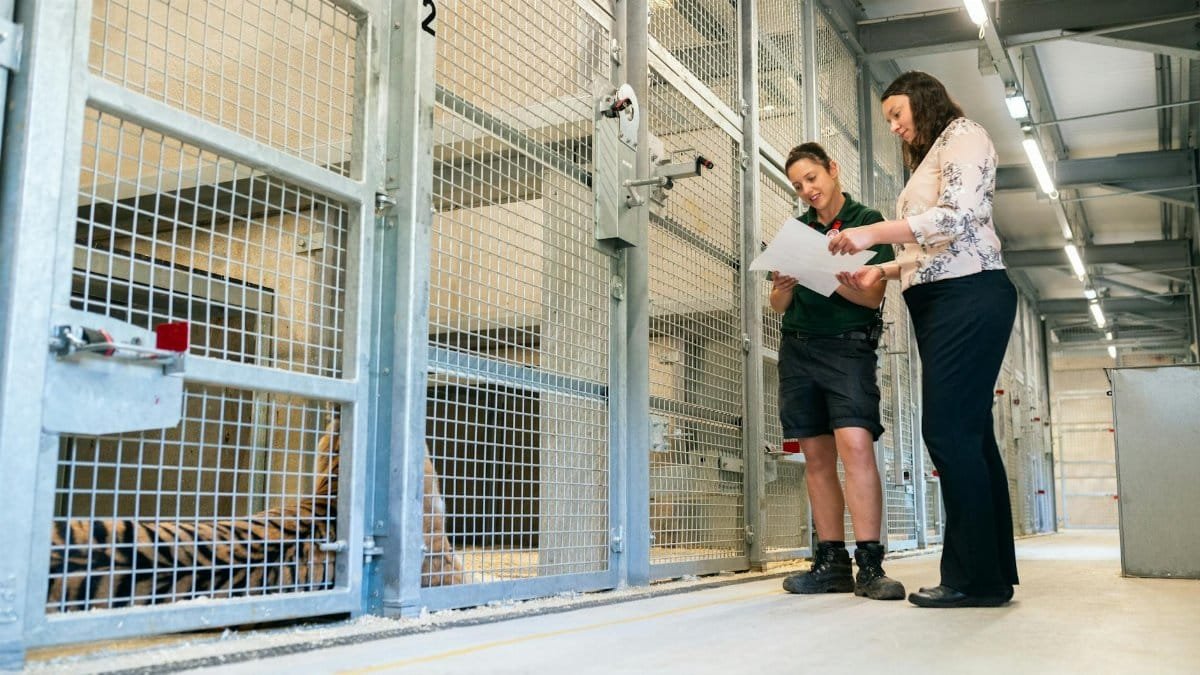
In the quiet hum of a Memphis afternoon, a bonobo named Joey hurled himself against the thick safety glass of his enclosure at the Memphis Zoo, shattering it in a stunning display of raw power. The incident, captured on video and quickly dubbed the “bonobo breaks glass memphis zoo” moment, rippled across social media, drawing millions of views and igniting conversations about animal intelligence, captivity, and the fragile barriers we erect between humans and our primate kin. What began as a routine exhibit visit turned into a viral spectacle, prompting zoo officials to evacuate visitors and prompting deeper questions about how we house creatures so eerily similar to ourselves.
The Shocking Sequence of Events

Eyewitnesses described the scene unfolding around 2 p.m. on a balmy October day. Joey, a 20 year old male bonobo, paced restlessly before charging the glass panel separating his troop from the public viewing area. With two forceful impacts, the reinforced barrier cracked and then gave way, sending shards scattering across the exhibit floor. Zookeepers acted swiftly, using long poles to guide the apes away while securing the area. No injuries were reported among the primates or visitors, but the event exposed vulnerabilities in even the most modern enclosures.
Zoo spokesperson Graham Lawhon confirmed in a statement that the glass met all safety standards, rated to withstand impacts far beyond typical primate strength. Yet the “bonobo breaks glass memphis zoo” footage, shared widely on platforms like TikTok and Twitter, showed a creature defying those assurances. The video’s raw intensity fueled speculation: Was this frustration, playfulness, or something more deliberate?
Meet Joey, the Enigmatic Bonobo

Joey arrived at the Memphis Zoo in 2010 from the Ape Initiative in Des Moines, Iowa, part of efforts to bolster the genetic diversity of the endangered species. Bonobos, native to the Congo Basin, number fewer than 50,000 in the wild, and zoos like Memphis play a crucial role in conservation breeding programs. At 80 pounds and built like a compact gymnast, Joey is known among staff for his curiosity and occasional mischief, traits common in his species.
Unlike their more aggressive chimpanzee cousins, bonobos often resolve conflicts through social bonding rather than violence. But Joeys feat reminded observers of their formidable physicality. Primatologist Frans de Waal, in his book “Different: Gender Through the Eyes of a Primatologist,” notes bonobos capacity for calculated action, a trait that made the “bonobo breaks glass memphis zoo” episode feel less like chaos and more like a statement.
Zoo Response and Initial Fallout

Within hours, the zoo closed the bonobo exhibit indefinitely. Technicians replaced the shattered panel with a thicker, laminated version, and behavioral specialists began monitoring the troop for stress. Lawhon emphasized that such incidents, while rare, are learning opportunities. “Our priority is the animals well being and public safety,” he said.
The closure disrupted school field trips and family outings, but it also drew record online traffic to the zoos website. Donations spiked, with many earmarked for habitat improvements. Critics, however, pointed to underfunding as a root issue; the Memphis Zoos annual budget hovers around $25 million, stretched thin across 55 acres of exhibits.
Engineering Safety Glass for Primates

Safety glass in zoo enclosures is no ordinary pane. It typically consists of multiple layers of polycarbonate and tempered glass, engineered to flex rather than shatter outright. A 2018 study by the Association of Zoos and Aquariums (AZA) tested such materials against gorilla impacts, finding them resilient up to 10,000 pounds of force. [AZA Enclosure Standards Report](https://www.aza.org/enclosure-standards).
Yet Joeys breach highlighted a gap: bonobos, though smaller, possess explosive speed and precision. Engineers now debate embedding sensors in barriers to detect micro cracks before failure. The “bonobo breaks glass memphis zoo” case could accelerate these innovations, much like the 1986 Harambe incident at Cincinnati Zoo spurred barrier redesigns.
Unpacking Bonobo Strength and Smarts

Bonobos share 98.7 percent of their DNA with humans, boasting tool use, empathy, and problem solving skills that rival young children. In the wild, they navigate dense forests, forging alliances and mediating disputes with astonishing diplomacy. Captivity amplifies certain behaviors; boredom can lead to destructive outbursts, as documented in a 2021 paper from the Journal of Applied Animal Welfare Science. [Study on Primate Enrichment](https://www.tandfonline.com/doi/full/10.1080/10888705.2021.1896273).
Joeys action fits this pattern. Staff noted he had been testing the glass repeatedly in recent weeks, perhaps probing its limits as bonobos do with vines or branches in the forest. This intelligence demands enriched environments, not just tougher walls.
Wild Bonobos Versus Captive Realities

In their Democratic Republic of Congo homeland, bonobos roam vast territories, foraging and socializing in matriarchal troops. Deforestation and poaching threaten them, making zoos vital sanctuaries. But replication of wild complexity is challenging. Memphis provides climbing structures, puzzle feeders, and peer interactions, yet it pales against 25 square miles of rainforest.
Experts like Brian Hare of Duke University argue for “cognitive zoos,” prioritizing mental stimulation over physical barriers. “Bonobos teach us about peace,” Hare said in a recent TED Talk. The “bonobo breaks glass memphis zoo” incident underscores the tension: captivity saves lives but risks stifling spirits.
Voices from the Primatology Community
Dr. Cat Hobaiter, a field researcher at the University of St Andrews, viewed the video and remarked, “This isnt rage; its exploration.” She likens it to wild bonobos dismantling termite mounds methodically. Meanwhile, animal rights group PETA called for Joeys release to a sanctuary, though experts dismiss this as impractical for social species.
Conservationist Vanessa Woods, co director of the Bonobo Conservation Initiative, urges nuance: “Zoos fund field protection, but we must evolve enclosures to honor their agency.” [Bonobo Conservation Initiative](https://bonobocon.org/).
Public Reaction and Viral Storm
The clip amassed 15 million views in days, spawning memes, remixes, and debates. On Reddit’s r/natureisfuckinglit, users marveled at the physics; Twitter threads dissected enclosure ethics. Families who visited that day shared relief mixed with awe, one parent tweeting, “Nature reminder: respect the wild heart.”
This fascination reflects broader cultural shifts. Post pandemic, animal stories surge in popularity, blending escapism with introspection.
Lessons from Past Zoo Mishaps
History offers cautionary parallels. In 2016, a silverback gorilla at the Dallas Zoo bent steel bars; earlier, orangutans at various facilities escaped through clever manipulation. The “bonobo breaks glass memphis zoo” joins this lineage, prompting AZA wide reviews. A 2022 audit found 12 percent of primate enclosures needing upgrades. [AZA Incident Database](https://www.aza.org/animal-care-manuals).
Rethinking Primate Enclosures
Advocates push for moated designs or reinforced mesh over glass, reducing visual stress while allowing natural behaviors. Memphis Zoo, accredited by AZA, plans a $2 million retrofit, funded partly by incident donations. This could set a precedent, blending aesthetics with robustness.
Ethical Crossroads for Animal Captivity
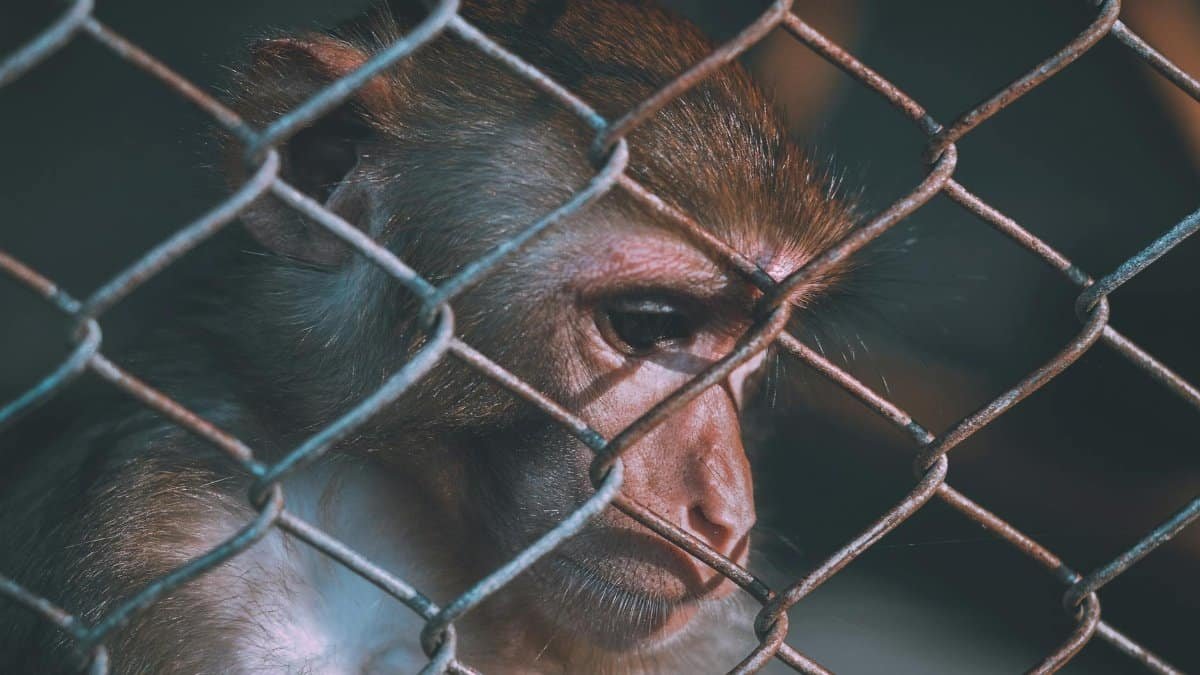
The event reignites the captivity debate. Should intelligent species like bonobos be in zoos at all? Sanctuaries offer larger spaces, but lack breeding programs essential for survival. Philosopher Lori Gruen argues in “Ethics and Animals” for “entangled empathy,” viewing humans and primates as interdependent.
A Spiritual Perspective on Primate Kinship

In an era of spiritual seeking, bonobos symbolize harmony. Their matriarchal, sex positive societies inspire trends in mindfulness and eco spirituality. Figures like Eckhart Tolle reference animal presence as a path to enlightenment. Joeys bold act invites reflection: What boundaries do we shatter in pursuit of freedom? The “bonobo breaks glass memphis zoo” transcends news, touching souls drawn to interspecies wisdom.
Memphis Zoos Path Forward

Officials aim to reopen the exhibit by spring, with enhanced protocols and visitor education. Joey remains a star, his spirit undimmed. This chapter closes not with fear, but resolve: to bridge worlds more wisely, honoring the bonobo’s quiet lesson in resilience and connection.