
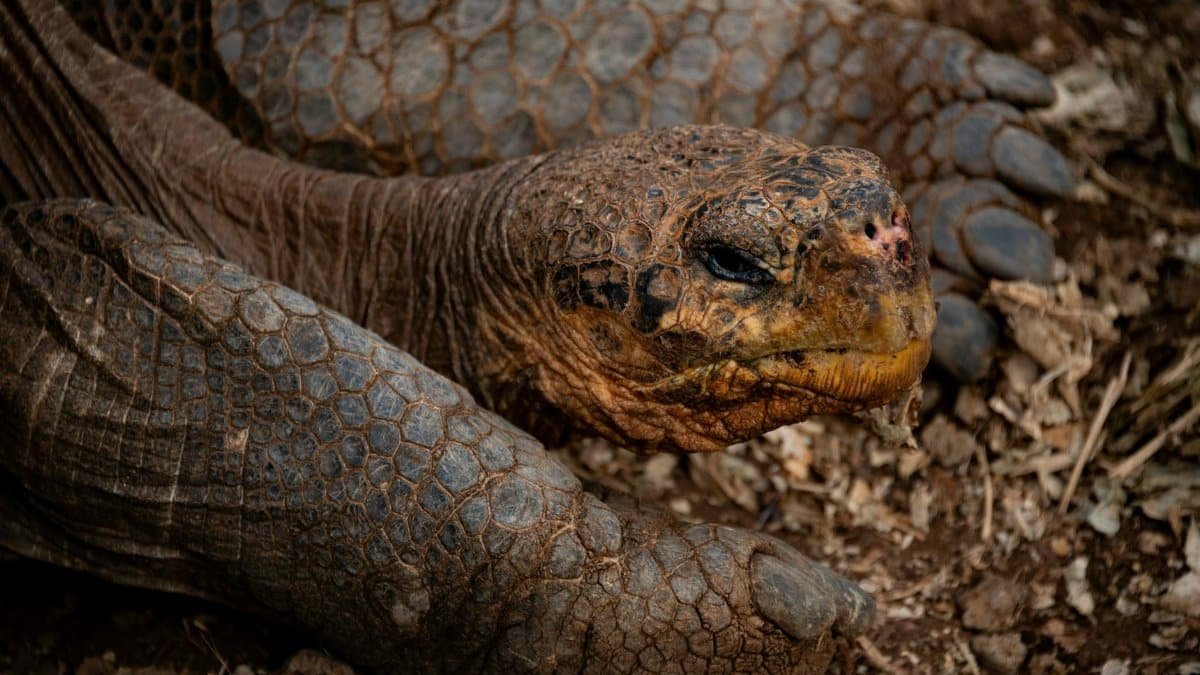
In the shadow of volcanic peaks on Santiago Island, a procession of ancient survivors stirred the earth. One by one, 158 giant tortoises, each weighing up to 400 pounds, were lowered from helicopters onto terrain they had not known for decades. This was no ordinary relocation. It marked a pivotal moment in one of the world’s most ambitious restoration projects: giant tortoises released Galapagos, breathing new life into an ecosystem long ravaged by invasive species. Conservationists watched with bated breath as the reptiles, bred in captivity and nurtured for years, began their tentative exploration of the rugged landscape. For the Galápagos, these icons of evolution represent more than biodiversity. They embody resilience, a quiet testament to humanity’s capacity to mend what it has broken.
The Legacy of Santiago Island

Santiago Island, part of the Galápagos archipelago off Ecuador’s coast, once teemed with life. In the 19th century, whalers and settlers hunted giant tortoises to near extinction, shipping them as a convenient food source on long voyages. By the 1970s, the population on Santiago had dwindled to zero. Invasive goats, introduced by humans, stripped the land bare, turning fertile slopes into dust bowls. Today, after decades of eradication efforts, the island is reclaiming its wild heart. The release of these tortoises is the capstone of that transformation, a deliberate reintroduction aimed at restoring balance.
Bred for Survival

The tortoises come from the Galápagos National Park’s breeding center on Santa Cruz Island. Scientists selected eggs from purebred lines of the Chelonoidis hoodensis species, native to nearby Española Island. Over five years, the hatchlings grew under controlled conditions, fed a diet mimicking wild vegetation. Genetic testing ensured diversity, preventing inbreeding. When they reached maturity, weighing around 20 pounds each, they were ready. This meticulous process, detailed in reports from the Galápagos Conservancy, underscores the blend of science and patience required for such endeavors. Watch the release footage here to see the moment they touch down.
A Milestone in Numbers

One hundred fifty-eight may seem modest, but in conservation terms, it is monumental. These tortoises join smaller groups released earlier, building toward a self-sustaining population of thousands. Park director Danny Rueda called it “a historic step,” noting that similar efforts on other islands have seen juveniles survive at rates above 80 percent. The goal: within a generation, Santiago could host a thriving herd, grazing and dispersing seeds across the island. Such releases are not haphazard; satellite tracking collars on select individuals will monitor their movements for years, providing data to refine future actions.
Eradicating the Invaders

Before any giant tortoises released Galapagos could return, the island had to be purged of threats. Goats, numbering in the hundreds of thousands by the 2000s, devoured native plants faster than they could regrow. A massive campaign, involving helicopter hunts and ground teams, eliminated them by 2006. Rats, cats, and other invasives followed. The effort cost millions but transformed the landscape. Vegetation rebounded, with prickly pear cacti and ferns reclaiming ground. This “ecological reset” paves the way for tortoises to fulfill their role as ecosystem engineers, trampling paths and fertilizing soil with their waste.
The Tortoise’s Ecological Superpowers
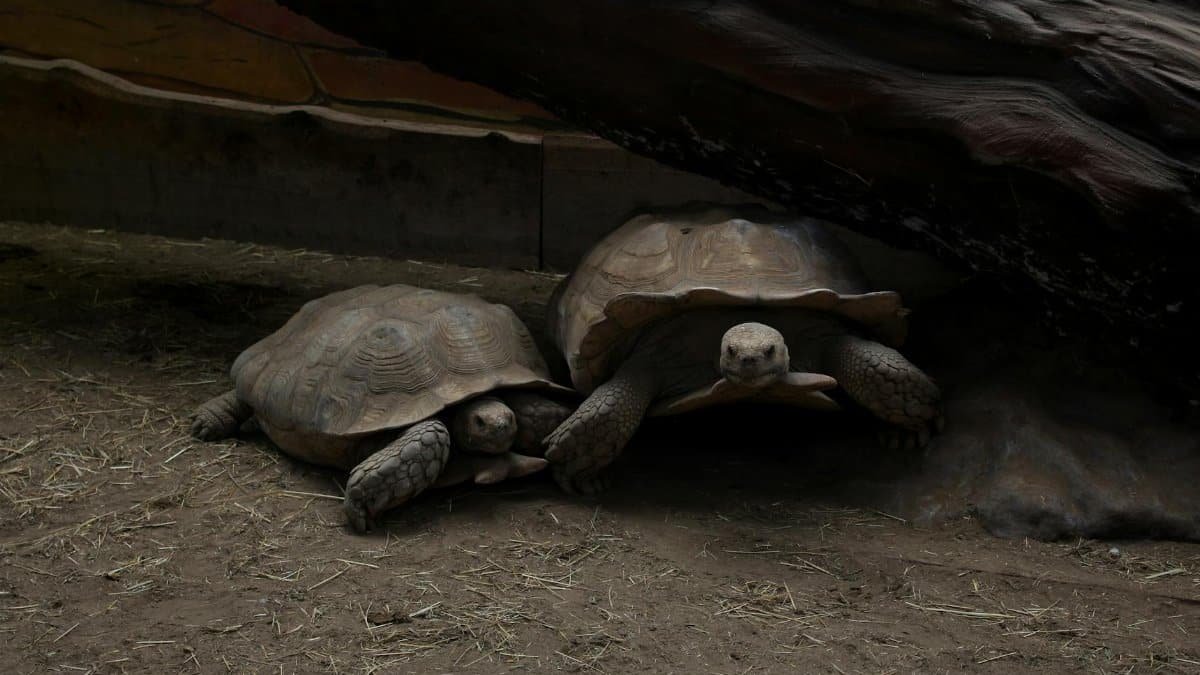
Giant tortoises are not mere relics; they shape their world. Their powerful jaws prune overgrazed shrubs, promoting new growth. As they roam miles daily, they spread seeds through dung, some viable only after passing through their gut. On islands without them, plant diversity plummets. Studies from Princeton University, led by researchers like James Gibbs, show tortoises boost bird and insect populations indirectly. Restoring them on Santiago could cascade benefits, reviving a web of life that inspired Charles Darwin’s theory of evolution during his 1835 visit.
Lessons from Neighboring Islands

Pinarón Island offers a preview of success. There, giant tortoises released Galapagos in the 2010s have multiplied, with females laying eggs in record numbers. Invasive blackberries, once dominant, are in retreat as tortoises devour them. Española Island tells a recovery tale: from 14 survivors in 1964 to over 1,500 today. These precedents fuel optimism for Santiago. Yet challenges persist, like drought cycles exacerbated by climate change. Adaptive management, including supplemental feeding during dry spells, will be key.
Community and Global Backing

Ecuador’s government, alongside nonprofits like the Galápagos Conservancy and Island Conservation, funds these projects. Local rangers, many from the archipelago’s communities, lead the work, fostering pride in their homeland. Tourism, which brings 250,000 visitors yearly, generates revenue but demands strict biosecurity to prevent new invasives. International donors, moved by the Galápagos’ spiritual aura as a cradle of life, contribute heavily. This collective effort reflects a growing global ethic: nature’s wonders deserve our stewardship.
Facing Future Hurdles

Not all is assured. Predatory hawks and parasites pose risks to juveniles. El Niño events could scorch the island, stressing new arrivals. Climate models predict rising seas nibbling at nesting beaches. Researchers counter with innovations, like artificial incubators and hybrid breeding to enhance resilience. The giant tortoises released Galapagos initiative includes long-term monitoring, with annual surveys to track growth and reproduction. Success hinges on vigilance, a reminder that restoration is ongoing labor, not a one-time triumph.
A Symbol of Hope

Beyond biology, these tortoises carry profound resonance. In an era of species loss, their return evokes renewal, a spiritual reconnection to the planet’s rhythms. For middle-aged readers who recall Rachel Carson’s warnings in “Silent Spring,” this is vindication: human intervention can heal. The Galápagos, a UNESCO World Heritage site, stands as a beacon. As one ecologist put it, “Tortoises teach us longevity; they outlast empires.” Their deliberate pace urges patience in our frantic world.
Broader Implications for Conservation

Santiago’s story ripples outward. Similar projects target wolves in Yellowstone, rhinos in Africa, and condors in the Andes. Rewilding, as this practice is known, challenges the notion of hands-off preservation. Proponents argue it accelerates recovery where extinctions loom. Critics worry about unintended consequences, like disease introduction. Data from Galápagos tilts toward optimism, with cost-benefit analyses showing high returns on investment. As biodiversity hotspots dwindle, such targeted releases offer a blueprint.
What You Can Do

Individuals matter. Support organizations like the Galápagos Conservancy through donations. Choose eco-certified tours if visiting. Advocate for policies curbing invasives globally, from pythons in Florida to stoats in New Zealand. Everyday choices, like reducing plastic use to protect marine habitats, aid indirectly. The giant tortoises released Galapagos remind us: collective action turns despair into possibility. In their armored shells, we glimpse endurance, urging us to match it.
The tortoises now wander freely, their footprints etching a new chapter on Santiago. This release is more than science; it is redemption, a pledge to future generations that we can restore what was lost. As they settle into their ancient home, the Galápagos whispers of hope amid uncertainty.