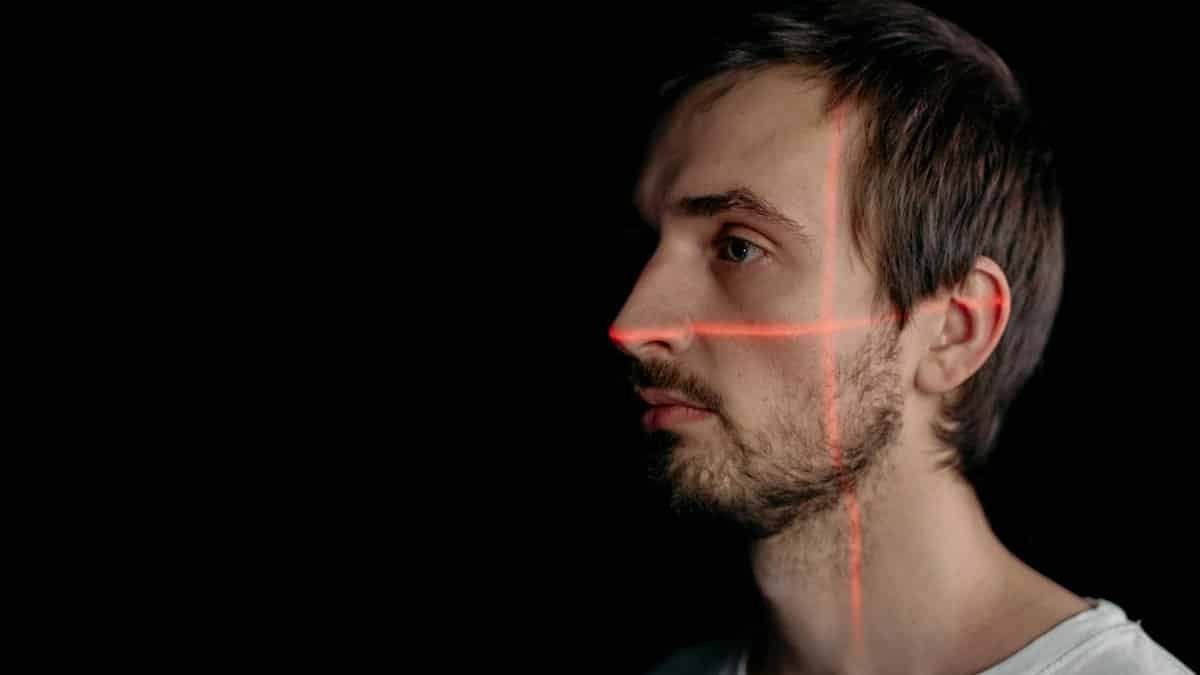
At a bustling terminal in Atlanta’s Hartsfield-Jackson Airport, Sarah Kline paused before the sleek kiosk. Her boarding pass fluttered in her hand as a screen prompted her to look straight ahead. In seconds, the machine captured her image, compared it to her ID photo, and flashed green. No pat-down, no boarding pass scan—just her face. This routine, powered by TSA facial recognition technology, has become commonplace for millions. As the agency rolls out more kiosks nationwide, questions swirl about convenience versus the erosion of personal privacy. What does it mean when government eyes track our every transit?
The Quiet Expansion Across Airports
The Transportation Security Administration has quietly ramped up its use of facial recognition scanners since 2018, starting with pilot programs at a handful of airports. By last year, over 80 locations featured the technology, matching passenger faces against photos on file from passports or licenses. The official TSA factsheet describes it as a voluntary tool to speed up lines, yet opting out often means longer waits or manual checks. Recent announcements signal further growth, with plans to install kiosks at major hubs like Los Angeles International and Chicago O’Hare. This push comes amid record travel volumes, as airlines report passenger numbers surpassing pre-pandemic peaks.
How the Scanners Actually Work
These systems rely on biometric software from vendors like IDEMIA and Clear. A camera snaps a live photo, which algorithms analyze for 80 facial points—distance between eyes, nose width, jawline curve. The image then cross-references databases like the State Department’s passport repository. TSA insists photos are deleted after matching, stored only for 12 to 14 hours on airport servers. Critics point to vendor practices, where data might persist longer. A 2023 Government Accountability Office report highlighted risks of vendor data retention, urging stricter oversight ( GAO report ).
Privacy Concerns Ignite Public Backlash
For many, the spread of TSA facial recognition evokes a surveillance dystopia. Civil liberties groups like the ACLU argue it normalizes mass scanning without warrants, potentially feeding into broader federal watchlists. In a nation where data breaches hit 353 million records last year, according to Identity Theft Resource Center tallies, travelers worry about hacks exposing biometrics—data that cannot be changed like a password. One passenger, a frequent flyer from Seattle, told me she covers her face with a scarf now, citing a gut feeling of vulnerability. “It’s like they’re cataloging souls,” she said, echoing unease about losing anonymity in public spaces.
Accuracy and Bias in the Spotlight

Studies reveal troubling error rates. A 2019 National Institute of Standards and Technology evaluation found facial recognition tools misidentified Black and Asian faces up to 100 times more often than white ones ( NIST study ). TSA claims its system hits 98 percent accuracy in tests, but real-world variables—masks, lighting, aging—complicate matters. In 2022 trials at Washington Dulles, false matches occurred in 0.3 percent of cases, enough to flag innocent travelers for extra screening. Disproportionate impacts on people of color fuel demands for audits.
Passenger Stories from the Front Lines
Travelers share mixed experiences online and in airport lounges. Tech enthusiast Mark Rivera praises the kiosks for shaving minutes off security lines during holiday rushes. “It’s futuristic,” he says. Yet others recount frustrations: a Boston woman denied boarding after her post-chemo hairline threw off the algorithm, forcing a supervisor intervention. Forums like Reddit’s r/travel buzz with opt-out tips, from wearing hats to requesting manual verification. As adoption grows, these anecdotes highlight a divide between efficiency seekers and privacy guardians.
Legal Challenges Mounting

Lawsuits are piling up. The Electronic Privacy Information Center filed suit in 2023, alleging TSA violates the Privacy Act by scanning without clear consent. A federal judge in Massachusetts dismissed a similar case but left room for appeals. Meanwhile, states like Vermont ban private facial recognition, pressuring federal alignment. Congress eyes regulation too; a bipartisan bill introduced last session would mandate annual bias testing and data deletion proofs. Legal experts predict court battles will shape the program’s future, much like post-9/11 security debates.
International Comparisons and Lessons
Other nations offer contrasts. The European Union caps biometric scans under GDPR, requiring explicit opt-in and fining violators millions. Australia’s SmartGate system, in use since 2005, boasts high satisfaction but faced early privacy revolts. China deploys facial recognition ubiquitously, tying it to social credit scores—a cautionary tale for U.S. expansion. TSA officials have studied these models, incorporating EU-style notices at kiosks, yet American laxer data laws invite bolder deployment.
TSA’s Official Stance and Safeguards