
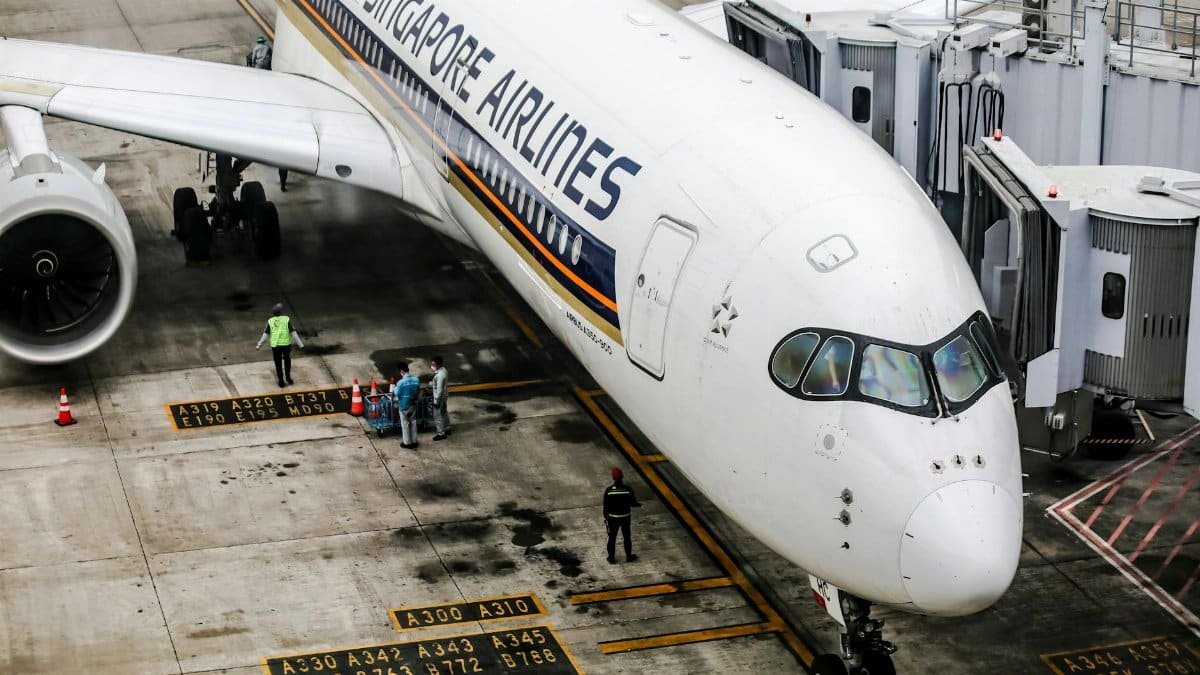
Imagine standing at the gate, ticket in hand, only to face a scale blinking expectantly under fluorescent lights. This is no nightmare from a dystopian novel; it is the new reality for some travelers as airlines weighing passengers becomes a quietly expanding practice. Finnair, the Finnish flag carrier, recently invited volunteers to step on the scales before boarding flights from Helsinki to Tokyo, citing the need for precise aircraft weight data to optimize fuel use and ensure safety. What began as a low key experiment has ignited a firestorm of debate, with passengers decrying invasions of privacy and triggers for body insecurities. As carriers grapple with rising operational costs, this weighing trend raises profound questions about dignity in the skies.
The Origins of the Weigh-In

Finnair’s program, launched in late 2023, marks the latest chapter in a saga that blends aviation engineering with passenger discomfort. According to a report from The Independent, the airline sought anonymous data from roughly 1,500 passengers to refine its weight assumptions, which have not been updated since 2009. Pilots rely on average passenger weights to calculate everything from takeoff thrust to landing gear stress. Overestimate, and you waste fuel; underestimate, and safety margins erode. Finnair emphasized voluntariness and anonymity, with staff turning away during weigh-ins. Yet the mere presence of scales at the gate felt like an unwelcome spotlight to many.
Fuel Efficiency in a Post-Pandemic World

Aviation burns through 100 billion gallons of jet fuel annually, and carriers are under pressure to trim every ounce. Post Covid travel booms have packed planes fuller, while body mass indexes creep upward globally. The International Air Transport Association notes that average passenger weights have risen 4 percent in Europe over the past decade. Airlines weighing passengers offers real time data to counter this, potentially saving millions in fuel costs. Korean Air and Air New Zealand ran similar trials years ago, with New Zealand’s 2018 effort weighing 10,000 passengers to adjust for an average gain of nearly 4 pounds per person since the 1990s. These efforts underscore a brutal math: heavier loads mean more burn, higher fares, and larger carbon footprints.
Precedents Across the Globe

This is hardly Finnair’s innovation. In 2019, Uzbekistan Airways weighed passengers in Tashkent, sparking local outrage. Samoa Air went further, implementing pay by weight fares in 2013, charging by kilograms flown. Even U.S. carriers like Hawaiian Airlines have quietly used self reported weights for cargo balance sheets. Internationally, regulators mandate periodic weight surveys, but the shift to gate side scales amplifies the intimacy of the act. Europe’s aviation authority, EASA, endorses such programs as long as they remain voluntary, viewing them as essential for precision in an era of tighter emissions rules.
Passenger Reactions: A Tide of Travel Rage

Social media erupted with memes and rants after Finnair’s announcement. “Next they’ll measure my carbon footprint with a bathroom scale,” one Twitter user quipped, capturing the blend of fury and farce. Forums like FlyerTalk buzz with tales of humiliation: plus size travelers vowing boycotts, families shielding children from the gaze of line mates. A viral TikTok showed a woman hesitating before the scale, her face a mask of reluctance. Privacy advocates decry the optics, arguing that even anonymous weighing normalizes surveillance. For many, boarding a flight already feels like herding cattle; adding scales tips it into absurdity.
Privacy Concerns Take Center Stage

In an age of data breaches and targeted ads, handing weight stats to an airline feels reckless. Finnair insists data stays aggregated and nameless, funneled straight to engineers. But skeptics point to past scandals, like Equifax’s 2017 leak of 147 million records. What stops a rogue employee from snapping a photo? The European Union’s GDPR offers some shield, requiring explicit consent, yet enforcement lags. Travelers worry about downstream uses: personalized upcharges or insurance hikes based on inferred health data. One privacy expert, quoted in aviation trade press, likened it to “weighing souls at the pearly gates,” a nod to the dehumanizing ritual.
Body Image Battles at 30,000 Feet

The psychological toll hits hardest for those already navigating societal judgments. Obesity rates hover at 42 percent in the U.S., per CDC data, and scales evoke diet culture’s harsh glare. Psychologists warn of acute shame, especially in shared spaces. A 2022 study in the journal Obesity found public weigh ins spike cortisol levels, mirroring stress responses to social exclusion. Airlines weighing passengers risks alienating a core demographic, as plus size influencers rally with hashtags like #FatFlyersUnite. Carriers counter that inclusivity means safe flights for all, but the messaging falls flat amid cries of fatphobia.
Expert Voices Weigh In

Aviation analysts split on the merits. Captain Ross Aimer, a former United Airlines pilot, told Bloomberg that accurate weights prevent mishaps like the 2018 Southwest engine failure indirectly tied to load miscalculations. Fuel experts at IATA praise the granularity, projecting 1 to 2 percent savings per flight. Conversely, consumer rights groups like FlyersRights.org decry it as a cost shifting ploy, urging class action scrutiny. Nutritionists suggest airlines promote average weights reflecting diverse populations, including carry ons averaging 17 pounds per person.
Regulatory Roadblocks and Green Lights

U.S. Federal Aviation Administration rules rely on standardized weights: 190 pounds per adult in summer, 195 in winter, baggage included. Overseas, bodies like Japan’s MLIT mandate updates every five years. No jurisdiction yet requires gate weighing, but voluntary programs dodge mandates. Europe’s push for net zero by 2050 could accelerate adoption, tying subsidies to efficiency metrics. Critics fear a slippery slope to mandatory scales, echoing Samoa’s model.
Alternatives on the Horizon

Tech beckons as a salve. Laser scanners and AI vision systems, trialed by Airbus, estimate weights via body volume without touch. Boeing explores inertial sensors in seats for real time loads. These promise discretion, though rollout lags due to certification hurdles. For now, some carriers use passenger surveys or historical data, less precise but stigma free. Finnair plans to expand its program through March 2024, refining based on feedback.
What Travelers Can Do Now

Opt out where possible; Finnair reports 40 percent participation. Pack lighter to ease collective loads. Lobby via apps like AirHelp for policy shifts. United and Delta stick to averages, offering a haven for the scale shy. International jaunts demand vigilance: check airline sites prebooking.
The Broader Cultural Shift
This trend mirrors society’s obsession with metrics, from Fitbits to carbon trackers. Airlines weighing passengers symbolizes efficiency’s encroachment on humanity, pitting safety against serenity. As fares climb 20 percent since 2022 amid fuel spikes, expect more such innovations. Yet backlash may temper them, fostering dialogue on equitable skies.
Looking Ahead: Skies of Equity?

By 2030, IATA forecasts passenger numbers doubling to 8.2 billion annually. Precision will define survivors in a cutthroat market. Will scales become fixtures, or evolve into seamless tech? Passenger power, amplified by social media, could dictate. For now, the gate scale stands as a stark reminder: travel’s magic frays under pragmatism’s weight. Airlines must balance ledgers with empathy, lest rage grounds their fleets.