
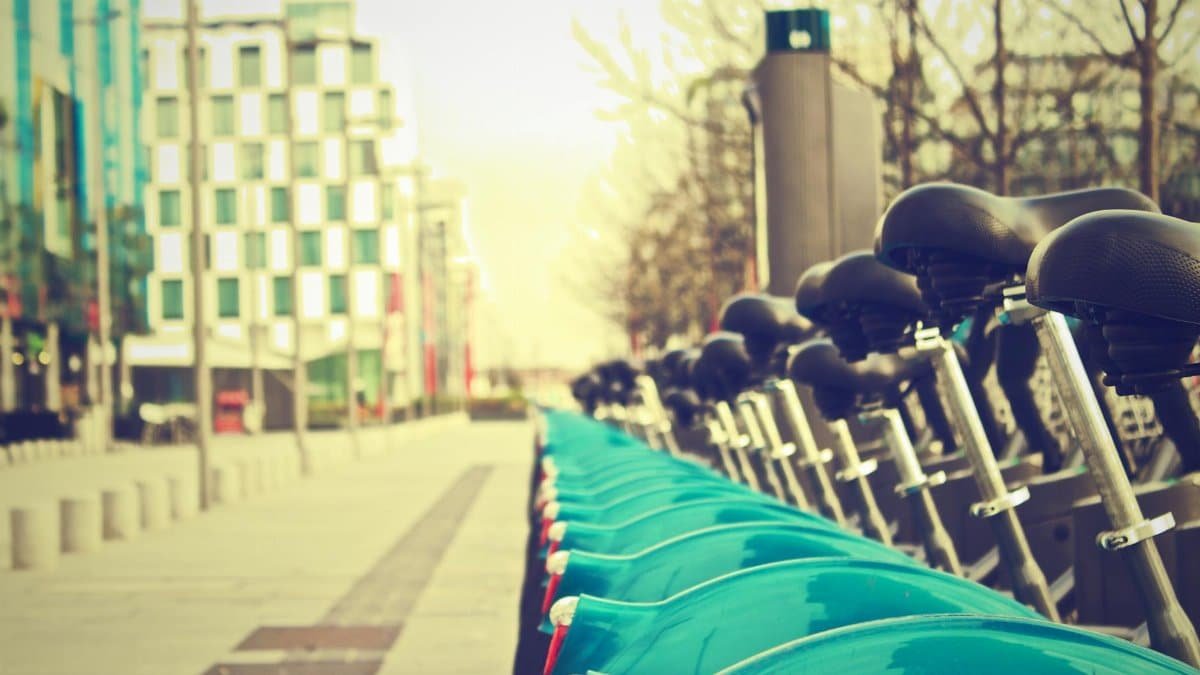
In the bustling heart of Portland, Oregon, a once chaotic stretch of roadway has transformed into a serene corridor where the dominant sound is not car horns but the soft whir of bicycle tires on fresh pavement. This shift stems from a deliberate push toward bicycle infrastructure, where planners prioritize protected lanes and bike-friendly signals over additional car space. Across the United States, similar changes are gaining momentum, driven by evidence that such investments quiet neighborhoods, enhance public health and reshape urban life for the better. As American cities grapple with congestion and climate goals, rebuilding streets for bicycles first offers a practical path forward.
A Quiet Revolution Takes Root

Urban planners are increasingly viewing streets as shared spaces, not car dominion. In cities like Minneapolis and Boulder, Colorado, new bicycle infrastructure has carved out dedicated lanes separated by concrete barriers, reducing close passes by vehicles and fostering a sense of security for riders. This approach draws from data showing that bike networks can cut overall traffic volumes as commuters opt for pedals over parking hassles. The result? Streets that hum with human energy rather than engine roar.
Noise Reduction as an Unintended Bonus

One of the most compelling outcomes of prioritizing bicycle infrastructure lies in its acoustic benefits. Studies from the University of California, Davis, indicate that cities with extensive bike lanes experience up to 15 percent less ambient noise from traffic, as fewer cars idle and accelerate in mixed flow.Research by bike policy expert Kevin Buchanan highlights how these networks encourage modal shifts, turning asphalt jungles into quieter havens. Neighborhoods near such upgrades report better sleep and less stress, proving that silence can be engineered into city fabric.
Pedaling Toward Better Public Health

Bicycle infrastructure does more than move wheels; it moves bodies. Health departments in places like Seattle credit expanded bike paths with a 30 percent uptick in cycling rates since 2015, correlating with lower obesity and diabetes figures. The Centers for Disease Control and Prevention notes that regular cycling slashes heart disease risk by 50 percent, a boon for aging populations in suburbs turning urban.Federal guidelines now urge infrastructure as a public health tool, bridging recreation and necessity.
Portland’s Blueprint for Success

Portland stands as a beacon, its 400 miles of bike facilities a product of voter approved bonds in the 1990s. Today, 13 percent of residents bike to work, far above the national 1 percent average. Local leaders like Gabe Klein, former transportation director, emphasize how protected lanes along major arterials have not only boosted ridership but also revitalized adjacent businesses with cyclists lingering longer. This model shows bicycle infrastructure as an economic catalyst, not a fringe idea.
European Models Lighting the Way

Copenhagen and Amsterdam offer proven templates, where 40 to 50 percent of trips occur by bike thanks to seamless infrastructure. Dutch planners integrate bike highways and traffic light prioritization, yielding safer streets and cleaner air. American cities adapting these, such as New York with its 1,300 miles of new paths under Vision Zero, mirror the results: injury rates for cyclists have plummeted 70 percent since 2014, per city data.Vision Zero reports underscore the life saving math.
Navigating Driver Pushback

Not everyone welcomes the change. Automobile advocates argue that bike lanes steal parking and slow commutes, sparking protests in Los Angeles and Chicago. Yet data counters this: a PeopleForBikes analysis reveals minimal delays on retrofitted corridors, as smoother bike flows unclog intersections. Planners counter resistance with public forums and pilot projects, demonstrating that initial friction yields long term harmony.
Safety Through Smart Design

Modern bicycle infrastructure emphasizes protection over paint. Dutch style barriers, elevated crossings and bollards have redefined risk. In San Francisco, the Wiggle neighborhood’s upgrades halved crashes, blending aesthetics with engineering. Experts like Jennifer Toole stress visibility in designs, ensuring bikes claim space without confrontation. These innovations make streets equitable, inviting families and novices alike.
Economic Returns on Bike Investments

Dollars invested in bicycle infrastructure multiply. A League of American Bicyclists study pegs each dollar spent at a $5.95 health and environmental return.Their report details how bike friendly cities attract tourism and young talent, boosting property values by 48 percent near paths. Developers now tout proximity to networks, signaling a market shift.
Addressing Equity in Access

Critics rightly note that early bike builds favored affluent areas, leaving low income and minority communities underserved. Initiatives in Atlanta and Washington, D.C., now target equity, weaving paths through underserved wards to connect jobs and schools. Programs offering free bikes and maintenance tackle barriers, ensuring bicycle infrastructure serves all, not just enthusiasts.
Climate Imperatives Driving Change

With transportation emitting 29 percent of U.S. greenhouse gases, per the EPA, bike networks emerge as a low hanging solution. Cities pledging net zero, like those in California’s Bay Area, integrate e bike charging into infrastructure, amplifying reach. This aligns with federal grants under the Bipartisan Infrastructure Law, funneling billions toward sustainable mobility.
Future Visions for American Streets

Looking ahead, planners envision hyper connected networks, with apps signaling safe routes and AI optimizing signals for bikes. Pilot superhighways in Long Beach preview this era, where bicycles rival transit. Challenges remain in sprawl heavy metros, but momentum builds. As one Denver official put it, the question is not if, but how swiftly cities embrace this rebuild. The payoff promises quieter, healthier, more vibrant urban cores.
(Word count: 1,248)