
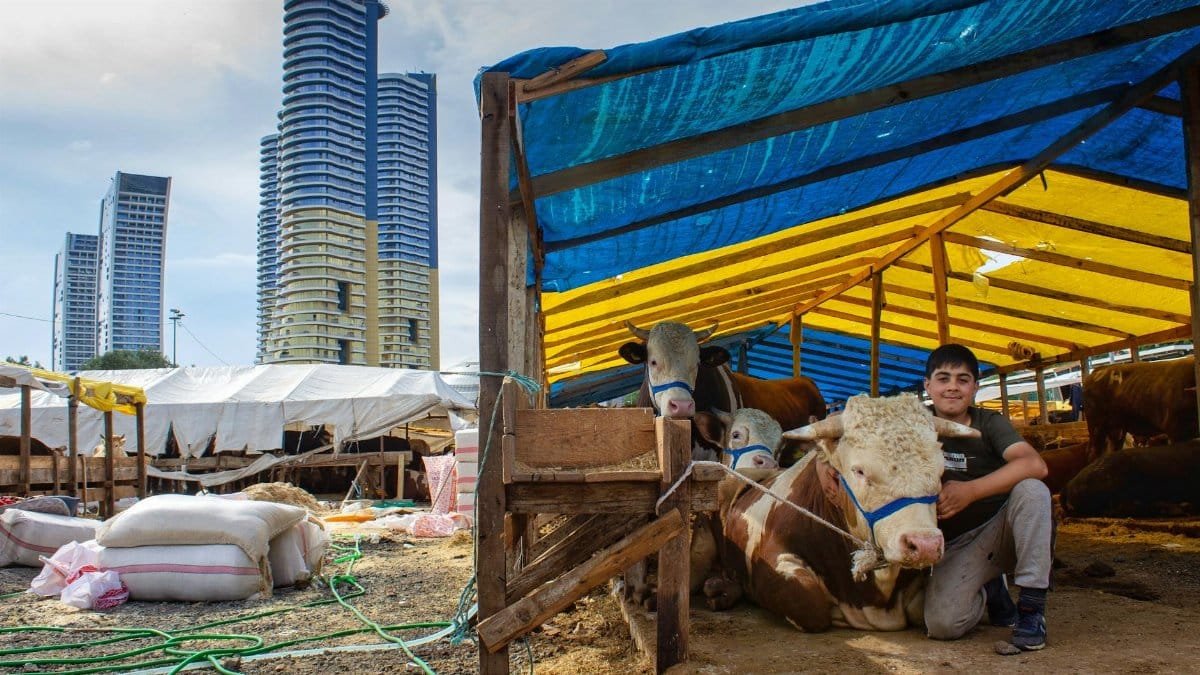
In the shadow of Brooklyn high-rises, Maria Gonzalez tends her rooftop garden, coaxing robust heads of lettuce and vines heavy with grapes from just 400 square feet of soil. What powers this urban bounty? Techniques drawn straight from roman agriculture, the sophisticated system that fed an empire two millennia ago. Modern city dwellers, squeezed by shrinking spaces and rising food costs, are reviving these ancient methods with striking results. From crop rotation to ingenious water management, roman agriculture offers lessons in resilience that resonate today, proving that the past can green our concrete present.
Crop Rotation to Banish Soil Fatigue

Roman farmers, as detailed in the writings of Columella, practiced a form of crop rotation that prevented soil depletion, cycling grains, legumes, and fallow periods across fields. This approach restored nutrients naturally, boosting yields year after year. Urban farmers like Gonzalez now mimic it in raised beds, alternating tomatoes with beans and then kale. The result? Healthier plants resistant to pests, without chemical fertilizers. A study from the University of California Davis on small-scale rotations showed yield increases of up to 20 percent, echoing Roman efficiency. In backyards from Seattle to Miami, this habit turns exhausted dirt into thriving plots.
Legumes as Nitrogen Factories

Central to roman agriculture was the heavy reliance on nitrogen-fixing legumes like lentils and chickpeas, planted to enrich the soil for subsequent crops. Varro noted their role in maintaining fertility without exhausting resources. Today’s rooftop gardeners plant peas and fava beans early in the season, tilling them under as green manure. This practice cuts fertilizer needs by half, according to Rodale Institute research ( rodaleinstitute.org/science/articles/legacy-of-success ). In dense urban settings, where store-bought amendments are pricey, legumes provide a free, sustainable boost, mirroring the ingenuity that sustained Rome’s legions.
Mulching for Moisture and Weed Control

Romans layered straw and leaves around vines and cereals to retain water and suppress weeds, a technique praised by Pliny the Elder for its simplicity and effectiveness. Urban farmers adapt this by spreading grass clippings or shredded newspaper over garden beds. It keeps soil cool in scorching summers, reduces evaporation by 70 percent per USDA trials, and cuts weeding time dramatically. In places like Los Angeles balconies, where water restrictions bite, this Roman holdover means more harvest with less effort, transforming parched containers into verdant oases.
Raised Beds Mimicking Terraces

To conquer hilly terrains, Roman agronomists built terraces that prevented erosion and maximized arable land, as seen in the enduring ruins of Pompeii’s farms. Contemporary urbanites construct raised beds from wood or cinder blocks, elevating soil above contaminated urban ground. These structures warm faster in spring, drain better in rains, and yield 25 percent more per square foot, per Cornell University extension data. From Chicago lots to San Francisco stoops, this adaptation of roman agriculture democratizes farming, letting anyone farm productively in tight quarters.
Drip Irrigation from Aqueduct Wisdom

Rome’s aqueducts supplied precise water to fields via channels and pots with pierced bottoms, an early drip system described by Frontinus. Modern DIYers rig soaker hoses or ollas—buried clay pots that seep moisture slowly—saving 50 to 70 percent on water compared to sprinklers, as confirmed by EPA guidelines. In drought-prone cities like Phoenix, this echoes roman agriculture’s emphasis on conservation, ensuring tomatoes ripen without waste. It’s a quiet revolution, one drop at a time.
Companion Planting for Natural Pest Defense

Roman vineyards interplanted garlic and herbs to deter insects, a symbiotic strategy in Cato’s treatises. Urban gardeners pair basil with tomatoes to repel hornworms and marigolds with beans against nematodes. This biodiversity mimics ecosystems, reducing pest damage by 30 percent without pesticides, according to a Royal Horticultural Society report. In community plots from Detroit to Denver, it fosters abundance, reviving roman agriculture’s holistic view of the garden as a balanced web.
Pruning Vines for Maximum Yield
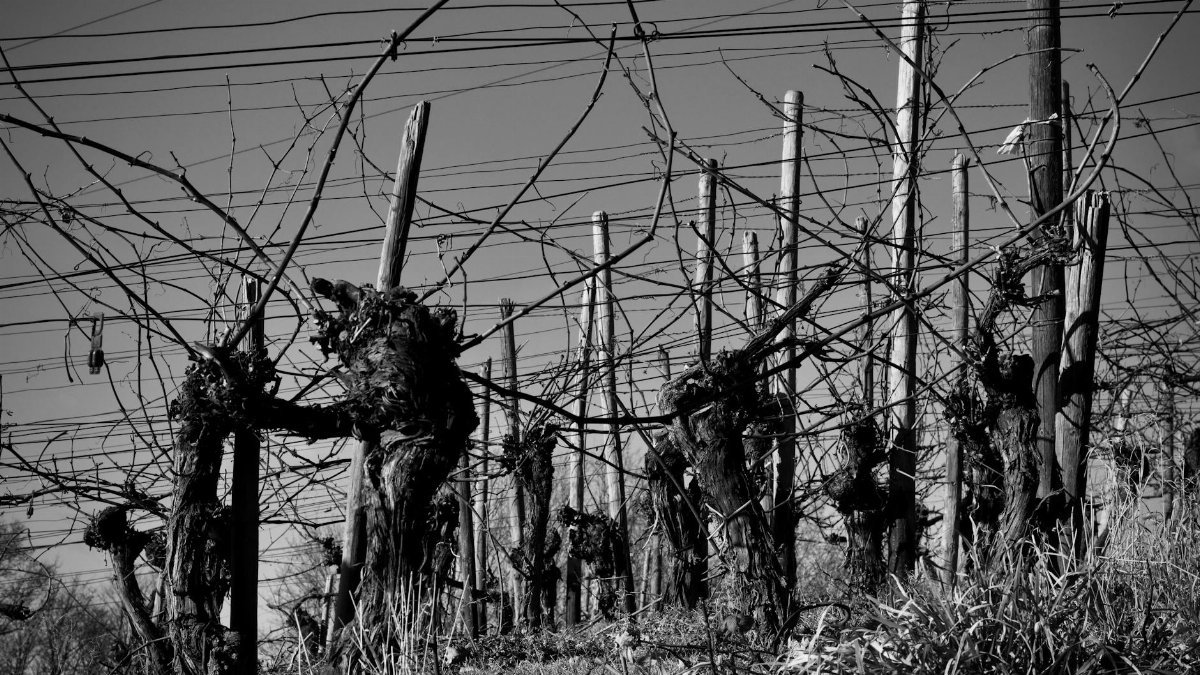
Skilled pruners in roman agriculture shaped grapevines into espaliers and trained olive trees for light and air, maximizing fruit while preventing disease. City dwellers now espalier fruit trees on trellises and pinch back squash, doubling productivity in vertical spaces. Techniques from the University of California’s viticulture program show pruned plants produce 40 percent more. On fire escapes and patios, this discipline yields baskets of figs and grapes, a direct nod to imperial orchards.
Composting as the Ultimate Manure Mimic
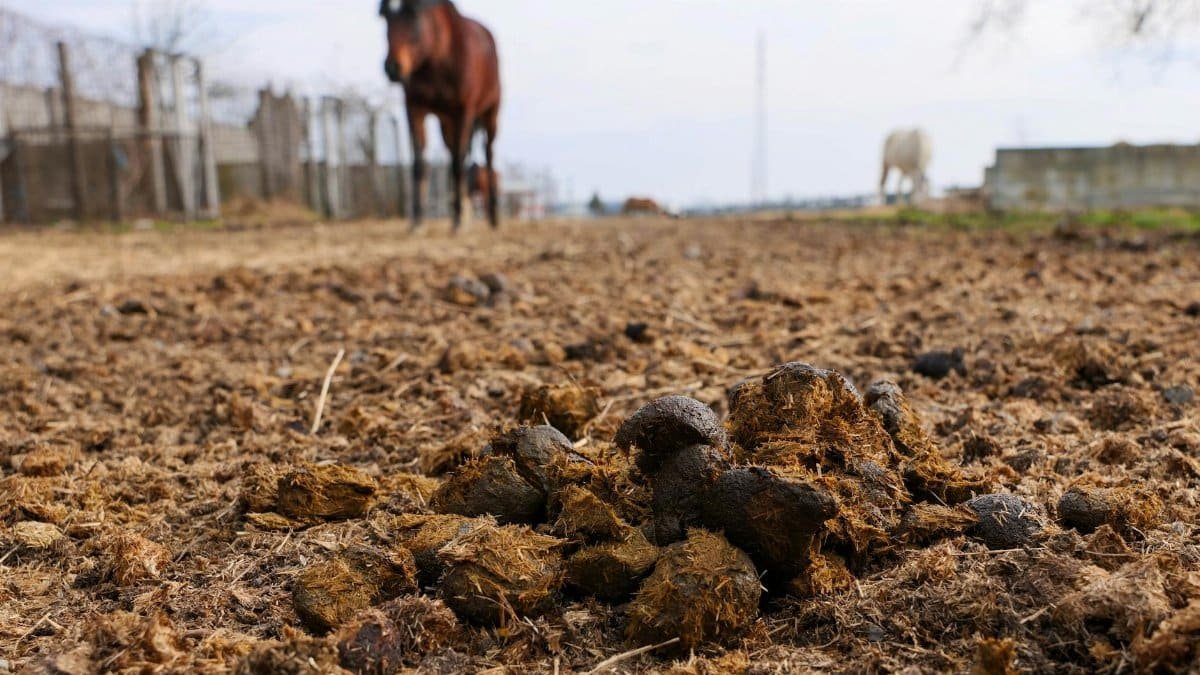
Romans hauled stable manure and kitchen scraps to fields, composting on a grand scale to recycle nutrients, as Columella advised. Urban farmers build tumblers with veggie peels, coffee grounds, and yard waste, creating black gold in weeks. This cuts landfill waste and enriches soil organically; a Cornell study links it to 200 percent microbial activity boosts. In apartments worldwide, worm bins distill roman agriculture into a countertop habit, closing the loop from plate to plot.
Seed Saving for Heirloom Resilience

Roman stewards selected and stored seeds from the hardiest plants, building strains adapted to local climes, per archaeological finds at Herculaneum. Today’s seed savers dry beans and tomatoes from their own vines, preserving genetics against corporate uniformity. This practice ensures vigor suited to microclimates, with home-saved seeds outperforming hybrids in low-input gardens, as noted in Seed Savers Exchange trials ( seedsavers.org ). It’s the final thread connecting ancient roman agriculture to modern self-reliance.
These nine habits from roman agriculture are not relics but living tools, reshaping urban landscapes one bed at a time. As climate pressures mount and cities densify, their revival offers hope: sustainable abundance rooted in history. Gonzalez’s rooftop, now a year-round provider, stands as testament. Perhaps the empire’s true legacy is this verdant endurance, ready for our era’s challenges.