
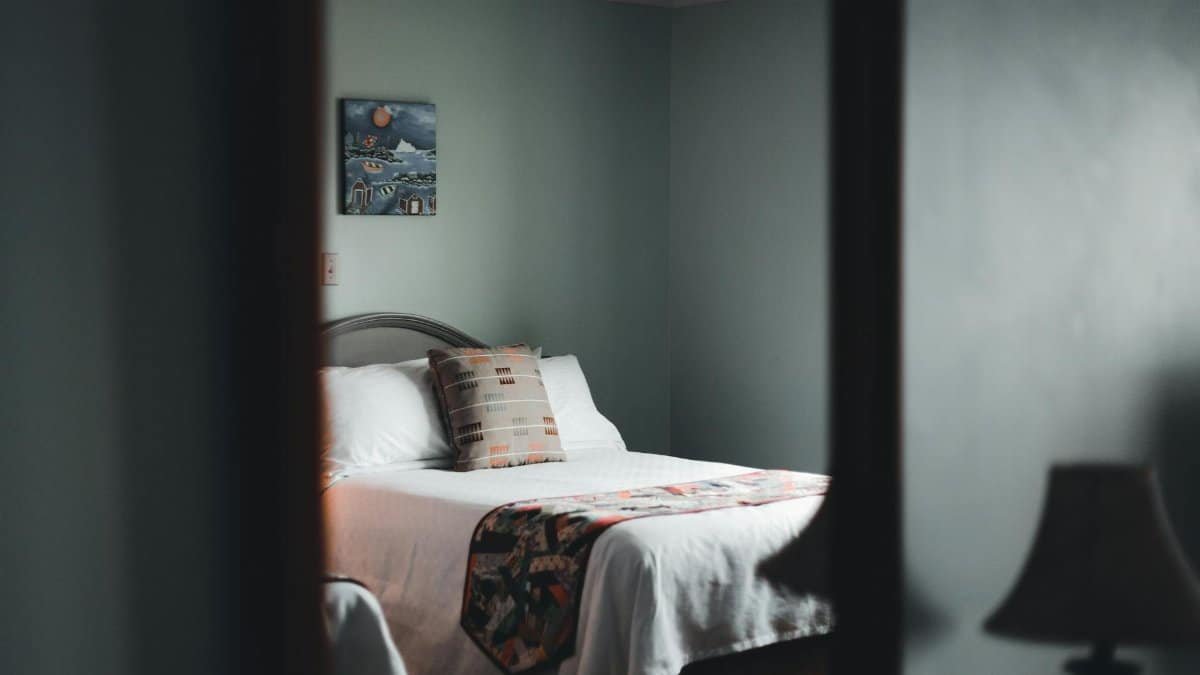
In the dim glow of a bedside lamp, millions of Americans stare at the ceiling each night, their minds racing despite exhaustion. Sleep deprivation has become epidemic, with surveys showing nearly one in three adults getting less than seven hours nightly. Yet the fix might lie not in pills or apps, but in something far older: feng shui. This millennia-old Chinese art of arranging spaces to optimize energy flow, or chi, promises deeper rest through simple bedroom tweaks. Forget complex renovations. These 12 layouts draw on core feng shui tenets, like positioning the bed for security and keeping pathways clear, to foster tranquility. Practitioners swear by them, and science on environmental cues backs the logic—our surroundings shape subconscious calm.
Layout 1: Bed in Command Position

The cornerstone of any feng shui bedroom starts with the bed’s placement. Position it so your head is against a solid wall, allowing a clear view of the door without being directly in line with it. This “command position” evokes a sense of control, much like a leader surveying their domain. Avoid placing the bed against a window, which scatters energy, or facing the bathroom door, inviting disruptive flow. Slide the bed diagonally from the door’s perspective if space allows. Homeowners report immediate relief from midnight jitters, as the subconscious registers safety. Pair with a sturdy headboard for grounded support.
Layout 2: Symmetrical Nightstands

Balance reigns supreme in feng shui, so flank the bed with matching nightstands on both sides. This symmetry nurtures partnership energy while providing practical storage for essentials like books or water. Opt for wood over glass to anchor chi. Keep surfaces clutter-free, perhaps with a single lamp and plant on each. Uneven setups breed subconscious tension, disrupting sleep cycles. Interior designers influenced by feng shui note that this duo creates visual harmony, easing the mind into repose. Measure twice to ensure equal distance from the bed frame.
Layout 3: Headboard Against Solid Wall

Secure the bed’s headboard flush against a solid, shared wall—never a window or exterior one. This setup symbolizes stability, shielding you from unseen forces beyond the room. In feng shui lore, it prevents chi from escaping while you rest. If plumbing pipes run behind, choose a quieter wall. Upholstered or wooden headboards work best, curving gently to embrace the body. Sleep experts align this with biophilic design principles, where perceived enclosure promotes melatonin release. Test by lying down: you should feel protected, not exposed.
Layout 4: Clear Floor Pathways
Energy stagnates amid clutter, so designate wide, unobstructed paths from door to bed and around the room’s perimeter. Feng shui insists on a “fire path” at least three feet across to let chi circulate freely. Tuck furniture against walls, elevate shoes under the bed if needed, but avoid piles. This layout not only prevents tripping but calms the psyche—studies link cluttered spaces to elevated cortisol. Vacuum daily and invest in underbed storage bins. The result: a serene flow mirroring a gentle river, lulling you to sleep.
Layout 5: No Mirrors Opposite the Bed

Mirrors double energy, which can jolt sleepers awake with reflected movement. Relocate any facing the bed to side walls or closets. Feng shui views this as soul-scattering; modern psychology agrees, citing visual stimulation interrupting REM. Cover mirrors at night if repositioning proves tricky. Use wardrobe doors or standalone screens instead. This adjustment alone transformed one couple’s insomnia, per wellness forums. Keep dressers elsewhere, ensuring reflections don’t bounce toward the bed. Serenity follows the removal of these energetic amplifiers.
Layout 6: Electronics Ban Near Bed

Banish TVs, phones, and chargers from arm’s reach—ideally to another room. Electromagnetic fields from devices fragment chi and blue light suppresses sleep hormones. Feng shui treats them as “poison arrows” of sharp energy. Charge in the kitchen, use a faraday pouch for phones, and opt for an alarm clock. Research from the National Sleep Foundation corroborates: screen-free zones boost sleep quality by 30 percent. This layout cultivates a tech detox sanctuary, where the mind unwinds without digital pings.
Layout 7: Soft, Layered Lighting

Illuminate gently with dimmable lamps, avoiding harsh overheads. Feng shui favors warm hues (2700K bulbs) to mimic sunsets, softening transitions to sleep. Layer table lamps on nightstands, a floor uplight in corners, and Himalayan salt lamps for negative ions. Drape scarves over fixtures for diffusion. Harsh fluorescents agitate chi; this setup soothes it. Readers of wellness magazines share how such glows signal bedtime rituals, aligning circadian rhythms naturally.
Layout 8: Natural Fabrics and Earth Tones

Envelop the space in organic linens, co