
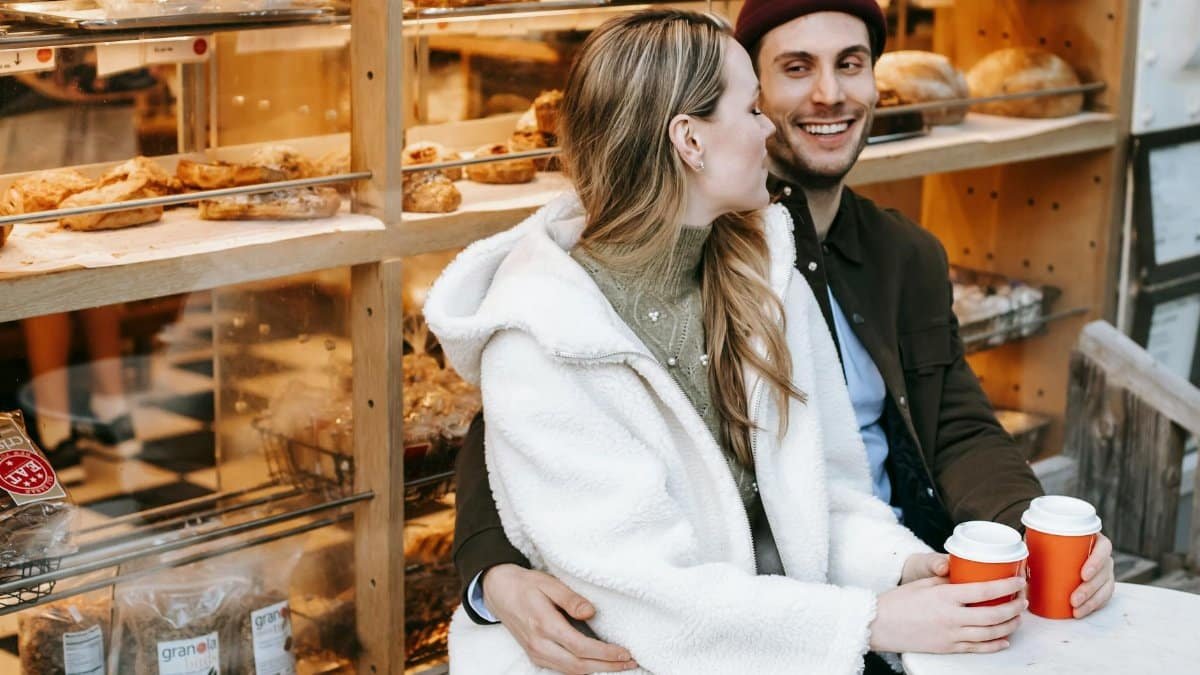
In the hum of a corner cafe in Seattle, amid the aroma of freshly ground beans and the clink of ceramic mugs, Emily first met Alex. No candlelit tablecloth, no sommelier reciting wine pairings—just two strangers nursing americanos, chatting effortlessly for an hour before parting with a casual wave. This unpretentious ritual has become the new cornerstone of modern courtship. Across the country, coffee dates are supplanting elaborate dinners as the preferred way for singles to test romantic waters, offering a low-stakes entry into potential connection. Data from dating apps like Bumble and Hinge shows a 40 percent uptick in plans for daytime meetups at coffee shops since 2020, reflecting a broader cultural pivot toward simplicity in an era of economic uncertainty and digital fatigue.
The Allure of Low Pressure
One key draw lies in the inherent casualness of these encounters. Unlike a dinner reservation, which commits participants to two or more hours amid plates of foie gras or pasta, a coffee date caps at 45 minutes to an hour. This brevity acts as a safety valve, allowing both parties an easy exit if sparks fail to fly. Relationship coach Logan Ury, author of “How to Not Die Alone,” notes that shorter outings reduce anxiety. “People feel less trapped,” she explains in her book, emphasizing how this format fosters authenticity over performance.
Financial Sense in Tough Times
Economic pressures have accelerated the trend. With inflation squeezing household budgets—restaurant meals averaging $80 per couple according to the National Restaurant Association—a $10 latte rendezvous feels like a bargain. Young professionals in cities like New York and San Francisco, where median rents exceed $3,000 monthly, prioritize affordability without sacrificing romance. A survey by Eventbrite found 62 percent of daters under 35 prefer budget-friendly options, citing coffee dates as ideal for repeated meetings without financial strain.
Fostering Genuine Conversation
Cafes buzz with ambient noise that paradoxically aids dialogue. The lack of formal silverware or heavy entrees means no distractions from forks scraping china; instead, eyes meet over steaming cups, words flow unhurried. Psychologists argue this setting encourages vulnerability. A study from the Journal of Social and Personal Relationships ( link ) highlights how neutral public spaces like coffee shops promote self-disclosure, building rapport faster than intimate dinners, which can feel overly seductive from the start.
Safety First in a Connected World
Public venues provide a layer of security that private dinners cannot match. With stories of bad dates circulating on TikTok and Reddit, meeting in broad daylight amid baristas and patrons offers reassurance. Apps now flag coffee shops as “safe first-date spots,” and women in particular appreciate the visibility. The Rape, Abuse & Incest National Network reports a rise in location-sharing features usage, but nothing beats the natural oversight of a crowded cafe.
Post-Pandemic Preferences Reshaping Norms

The coronavirus era cemented daytime dating. Lockdowns made nighttime outings risky, and hybrid work schedules favor mornings. Hinge’s 2023 report revealed coffee dates as the most suggested first-date activity, up from 28 percent in 2019 to 52 percent now. This shift persists as people reclaim social lives on their terms, blending productivity with play—grab a pour-over before a 2 p.m. Zoom call, perhaps.
Expert Insights on Connection Building

Dating experts champion the format for its focus on compatibility over chemistry. Esther Perel, renowned therapist, observes in interviews that “coffee allows curiosity without consummation.” Her podcast episodes delve into how brief, repeated interactions—espresso today, matcha tomorrow—create anticipation. Unlike dinners, which often rush to physical escalation, these dates prioritize emotional attunement, key for lasting bonds.
Real Couples Share Their Stories
Take Maria and Javier in Austin, who met via Tinder for a noon cortado. “We talked dreams, not desserts,” Maria recalls. Three months later, engaged. Or Lisa from Chicago, whose coffee date with Tom evolved into weekly rituals, leading to marriage. Anecdotes abound on forums like r/dating, where users rave about the “no-frills magic” of coffee dates turning into something more substantial.
The Neuroscience of Short, Sweet Meets
Brain science backs the buzz. Dopamine surges from novelty and caffeine enhance memory of positive exchanges, per research from Northwestern University ( link ). Short durations prevent decision fatigue, keeping interactions fresh. Dinners, by contrast, can trigger cortisol spikes from overstimulation, dulling attraction.
Coffee Versus Cocktails: A Clear Winner
Evening drinks carry baggage—alcohol loosens inhibitions unevenly, sometimes clouding judgment. Coffee dates sidestep this, promoting clarity. A Match.com poll showed 71 percent of respondents favor sober first dates, with cafes leading preferences. This sobriety trend aligns with Gen Z’s wellness ethos, ditching boozy brunches for oat milk concoctions.
Sustainability and Ethical Choices
Environmentally conscious daters appreciate cafes sourcing fair-trade beans, aligning romance with values. Chains like Blue Bottle emphasize eco-practices, appealing to those avoiding high-carbon steakhouse steaks. It’s romance with a conscience, where a shared flat white supports global farmers.
Challenges and How to Overcome Them
Not flawless: background chatter can drown whispers, and refills extend unplanned stays. Yet, choosing quieter spots or weekdays mitigates this. For introverts, the public energy provides cover without isolation. Overall, adaptability makes coffee dates resilient.
The Future of Effortless Romance

As dating evolves, expect coffee dates to dominate. Virtual scouting via apps funnels to these real-world pit stops, efficient yet human. In a world craving connection minus excess, this humble brew brews possibility. Couples forgoing filet mignon for filter coffee signal not regression, but refinement—a toast, in modest mugs, to intentional love.