
In an era when retailers are yanking self-checkout kiosks amid customer frustration and theft concerns, Target is charting a different course. The Minneapolis-based chain has introduced specialized self-checkout stations designed for customers who are blind or have low vision, featuring tactile buttons and voice guidance. Dubbed target accessible self checkout, these units represent a rare push toward inclusivity in an industry racing toward frictionless shopping. Partnering with the National Federation of the Blind, Target aims to make routine transactions independent and dignified. As shoppers nationwide grapple with long lines and glitchy scanners, this initiative spotlights a quiet revolution: technology not just for efficiency, but equity. Will it inspire competitors, or remain a niche experiment?
A Response to Everyday Barriers

Self-checkout promised liberation from cashier chit-chat, yet for millions with visual impairments, it delivered isolation. Screens demand sight, scanners require precise aiming, and error messages blare without context. The National Federation of the Blind has long advocated for change, citing surveys where 70 percent of blind shoppers avoid stores with inaccessible kiosks. Target listened. Their new stations, rolled out in select locations, use raised tactile icons for each function—scan, pay, bag—paired with screen-reader compatible audio prompts. A simple press confirms actions, from item detection to receipt issuance. Early pilots in California and Texas drew praise from testers who described the experience as transformative.
Technology Meets Human Need
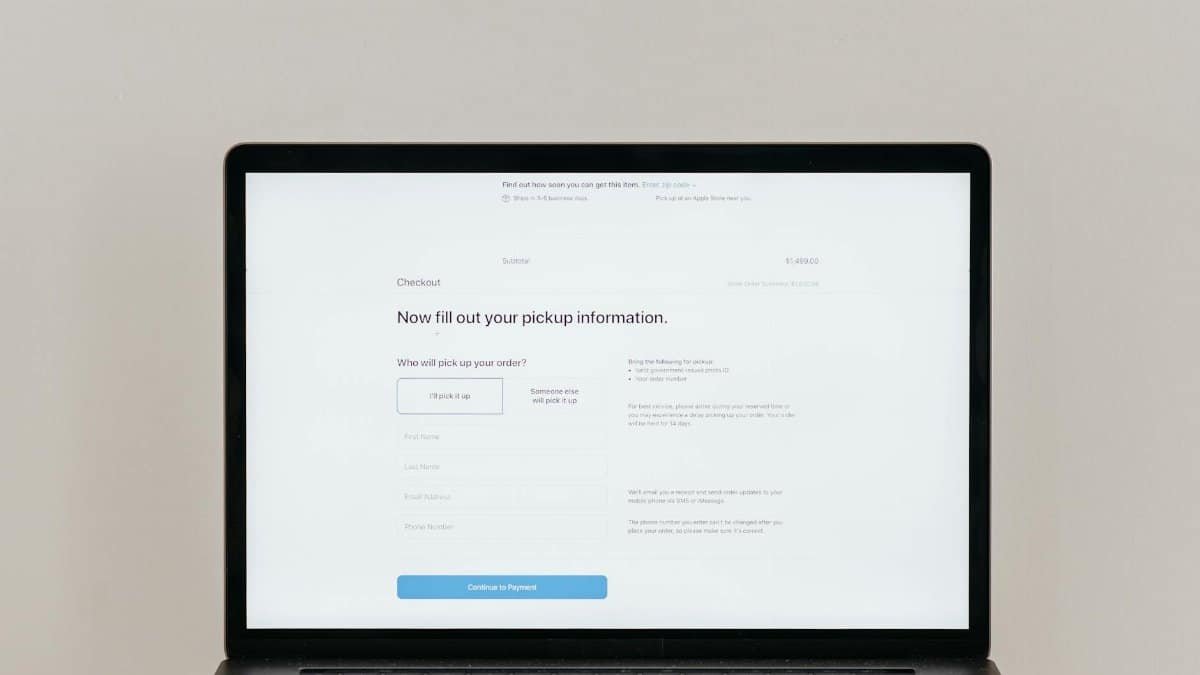
At the heart of target accessible self checkout lies intuitive engineering. Oversized, color-coded buttons guide users: blue for scan, green for payment, red for help. Audio cues, adjustable in volume and speed, narrate every step—“Item scanned: bananas, $1.29”—while Braille labels reinforce touch. Unlike generic voice assistants, these integrate directly with store inventory systems, minimizing errors. Target collaborated with access tech firms to ensure compliance with ADA standards, going further with multilingual support. The result? A kiosk that feels like an extension of the user, not a hurdle.
Defying the Self-Checkout Backlash
While Walmart and Costco experiment with human-assisted lanes, and some chains like Booths in the UK ditch kiosks entirely, Target doubles down. Industry data from Retail Dive shows self-checkout growth stalling, with 15 percent of grocers planning reductions due to shrinkage and complexity.Target’s move bucks this, positioning accessibility as a competitive edge. Executives frame it as core to their “cheap chic” ethos—practical innovation for all demographics.
Voices from the Community
For blind advocate Sharon Giovannelli, the stations unlock autonomy. “I’ve stood helpless while friends scanned my groceries,” she shared during a federation webinar. “Now, I shop alone.” Similar sentiments echo in user forums. A Virginia pilot participant noted faster checkouts than staffed lanes, free from awkward explanations. Critics, however, question scalability: Will high-traffic stores dedicate prime real estate to specialized units? Target plans 20 more installations by year-end, monitoring usage via anonymized data.
Broader Retail Implications

This rollout signals shifting priorities. Post-pandemic, inclusivity ranks higher on corporate agendas, fueled by lawsuits and consumer demand. Kroger tested audio kiosks in 2022, but scaled back; Home Depot offers guided apps. Target accessible self checkout sets a benchmark, prompting questions: Can universal design serve everyone? Experts like those at the American Foundation for the Blind argue yes—tactile elements benefit aging boomers too, whose dexterity wanes. Retailers ignoring this risk alienating 26 million visually impaired Americans.
Lessons from the Partnership

The National Federation of the Blind brought lived expertise, vetoing designs that echoed past failures. Their input refined audio clarity and button spacing, drawing from airline boarding tech. Target’s VP of guest experience, Cara Sylvester, credited the collaboration for speed: from concept to store in 18 months. Such alliances could model future retail-tech ventures, blending corporate scale with advocacy precision.
Challenges on the Horizon

Adoption hurdles persist. Training staff to assist without overstepping proves tricky; software updates must preserve accessibility. Cost estimates hover at $15,000 per unit, a fraction of full remodels but notable amid inflation. Theft deterrence—via weight sensors and cameras—remains, calibrated not to flag legitimate use. Target addresses skepticism head-on, sharing metrics: zero shrinkage spikes in pilots.
Economic and Social Returns

Beyond goodwill, benefits accrue. Independent shopping boosts employment prospects for disabled individuals, per Labor Department stats. Stores gain loyalty; a 2023 Deloitte survey found 62 percent of shoppers favor inclusive brands. Target accessible self checkout could lift sales in underserved segments, aligning with their $107 billion revenue push.
Comparing to Global Peers
Europe leads here: Tesco’s Talking Till in the UK uses similar tech since 2015. Japan’s Aeon malls feature voice-guided carts. U.S. laggards like Aldi face federation pressure. Target’s edge? Seamless integration into existing footprints, no app downloads required. This positions them as domestic frontrunners.
A Call for Industry Momentum

As e-commerce surges, physical retail must evolve. Target accessible self checkout proves accessibility need not complicate operations. Leaders from the federation urge peers: “Innovation includes us.” With pilots expanding to Midwest stores, momentum builds. For an industry at crossroads, this could redefine service—not as cost, but investment in shared humanity.
In the end, Target’s bold step reminds us that progress often hides in plain sight, one tactile button at a time. Shoppers of all abilities stand to gain.