
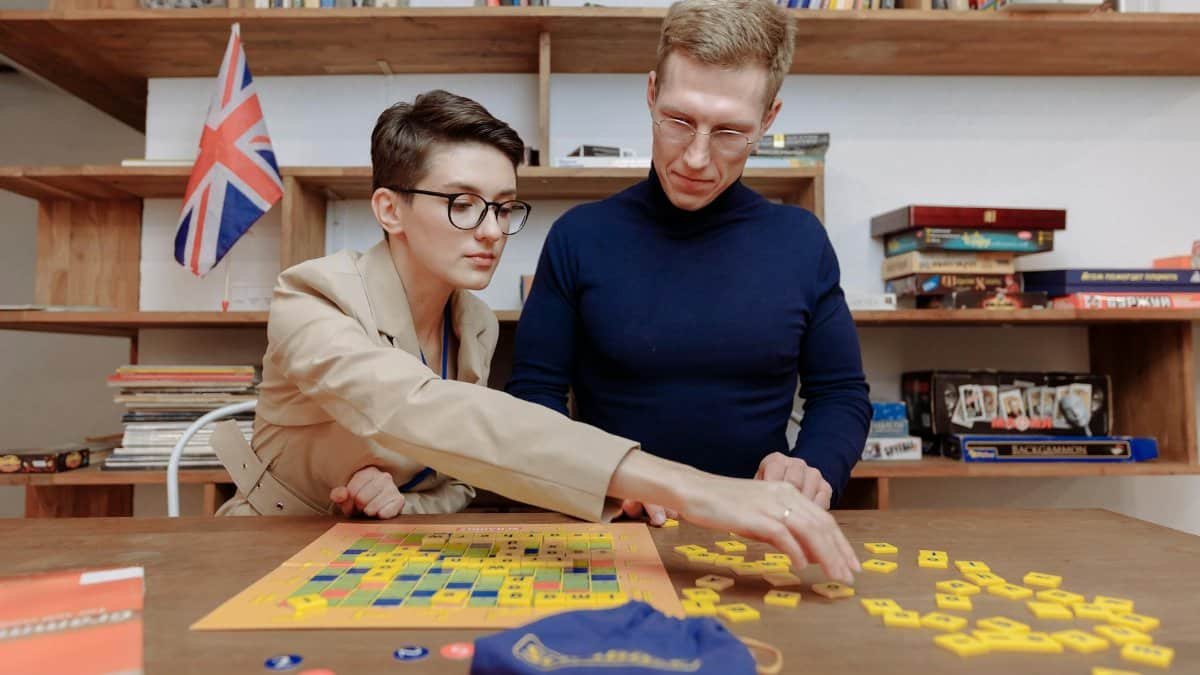
In suburbs starved for low-key fun, a clever evolution of the micro library is popping up on street corners and parks: tiny boxes brimming with free board games. No library card needed—just grab a game like Catan or Ticket to Ride, play with the kids, and return it for the next family. From Illinois to California, these pint-sized hubs are slashing screen time and sparking neighborly chats. Pioneered by parents tired of dusty game closets, they’ve exploded in popularity, with dozens installed last year alone.
Naperville, Illinois: The Game Trailblazer
Naperville kicked off the trend two years ago with its first game micro library outside a community center. Resident Sarah Kline, a mom of three, built it from a repurposed newspaper box. “We had games collecting dust,” she says. Now stocked with 20 titles from Clue to Pandemic, it’s restocked weekly by volunteers. Usage logs show 50 checkouts monthly, turning quiet evenings into epic family battles. Local officials praise it for boosting park foot traffic by 15%.
Cary, North Carolina: Family Night Central
In Cary’s tree-lined neighborhoods, the “Bonding Box” sits curbside, offering Jenga, Exploding Kittens, and more. Launched by the PTA last spring, it’s drawn 200 families. “It’s magic—kids pick games over iPads,” says organizer Mike Torres. A solar-powered lock keeps contents safe, and a swap system lets donors add indie hits. Town data reveals a 20% uptick in block parties nearby, proving games glue communities.
Plano, Texas: Strategy Spotlight

Plano’s micro library zeroes in on brainy fare like Chess, Risk, and Wingspan. Tucked in a strip mall garden, it’s the brainchild of retiree Tom Reilly. “Suburbs need mental workouts,” he quips. With QR codes linking to rule videos, it’s newbie-friendly. Over 300 plays logged this year, per a volunteer app. The setup inspired two copycats, and city council is eyeing grants for 10 more.
Overland Park, Kansas: Cozy Game Nook

This Kansas gem resembles a mini cabin, packed with cozy picks like Codenames and Azul. Homeowner Lisa Grant installed it after her kids outgrew the games. “Neighbors wave just to check availability,” she notes. Weatherproof and illuminated, it sees peak action on weekends. A neighborhood survey found 85% of users report stronger family ties, with one dad crediting it for “the best holiday truce ever.”
Bellevue, Washington: Tech-Savvy Shares
Bellevue blends Seattle smarts with a high-tech micro library: RFID tags track games like Dominion and Carcassonne. Tech worker Raj Patel coded the app for reservations. “No more empty shelves,” he says. Installed near a playground, it’s logged 400 checkouts since June. Parents rave about inclusivity—titles in multiple languages—and it’s cut toy clutter in 30 homes, per feedback forms.
Irvine, California: Sun-Soaked Playhouse

Irvine’s box, a colorful playhouse model, brims with outdoor-friendly games like Cornhole sets and Hive. Community planner Elena Vasquez spearheaded it amid OC’s family boom. “Perfect for picnics,” she says. Donors include local game stores, keeping it fresh with 25 rotating titles. Usage spiked 40% post-summer, and it’s now a fixture at block events, fostering what residents call “instant icebreakers.”
Chandler, Arizona: Desert Game Oasis

Beating the heat, Chandler’s shaded micro library offers quick plays like Sushi Go and Love Letter. PTA volunteer Carlos Mendez built it from recycled pallets. “Short games for busy parents,” he explains. With 150 monthly users, it’s a hit among remote workers seeking breaks. A partnership with Phoenix libraries provides backups, ensuring no downtime—and sparking a 25% rise in neighborhood volunteering.
Fremont, California: Multicultural Mix

Fremont’s box celebrates diversity with global games like Mancala, Go, and Ludo alongside American staples. Immigrant mom Priya Singh curated it. “Bridges cultures,” she says. Near a diverse apartment complex, it’s seen 250 checkouts, with kids mixing sets for hybrids. City reports highlight reduced isolation, and it’s inspired school tie-ins for game nights.
Why Game Micro Libraries Are Exploding

These aren’t flukes—post-pandemic nostalgia fuels the boom. A National Recreation survey pegs 5,000 U.S. installations, up 300% since 2020. Cheap to build ($100-300), they’re DIY-friendly with kits online. Benefits? Studies from Play Strong Institute link board games to better empathy in kids. Suburbs, with yards and families, are prime turf.
Challenges and Fixes Ahead

Thefts happen—two Chandler games vanished last month—but cameras and insurance help. Weather wears boxes; metal upgrades last longer. Organizers push “take one, leave one” honor codes. Experts like librarian Dr. Mia Chen advise apps for tracking. As demand grows, suburbs like these eight are models: scalable, joyful, and free. Want one? Local hardware stores have plans—your street could be next.