

In a sweeping enforcement action slated to begin in March 2026, California will revoke 17,000 commercial driver’s licenses (CDLs) held by immigrants whose legal U.S. stay has expired—a move dubbed the California immigrant CDL revocation that’s sparking widespread concern. Mandated by the Federal Motor Carrier Safety Administration (FMCSA) to align with federal compliance standards, the decision overrides initial pushback from state officials who viewed it as regulatory overreach. As CBS News Sacramento reports, affected drivers have received notifications, with the process set to wrap up by April. Trucking leaders warn of supply chain chaos and job losses, while highlighting the human toll on families and the state’s logistics backbone.
The Federal Push for Compliance

At the heart of this crackdown is a clear directive from the FMCSA, the federal agency overseeing commercial vehicle safety. The revocations target CDLs issued to immigrants no longer legally residing in the U.S., ensuring that only those meeting federal eligibility rules remain on the road. State officials in California, known for its progressive stance on immigration, initially balked at the order. They argued it represented an unwelcome intrusion into local affairs, but after deliberations, compliance became inevitable to avoid broader federal repercussions. This isn’t just bureaucratic housekeeping—it’s a high-stakes alignment of state licensing with national standards, affecting a pool of 17,000 licenses accumulated over years.
California’s Reluctant Compliance

The Golden State’s resistance underscores a familiar friction point. Officials pushed back hard, decrying the mandate as overreach that ignored California’s unique demographic and economic realities. Yet, with federal authority holding sway, the state has geared up for implementation starting next March. Notifications are already rolling out to license holders, giving them a window to respond before the April 2026 deadline. This sequence of events reveals the limits of state autonomy when federal transportation rules collide with immigration policy, a dynamic playing out in real time across the nation’s most populous state.
Trucking Industry Braces for Impact

No sector feels the pinch more acutely than trucking, a lifeline for California’s vast supply chains. Industry representatives are raising alarms about immediate disruptions: fewer drivers could mean delays in goods delivery, from farm-fresh produce to everyday retail staples. “This could disrupt supply chains and cause job losses,” warned one trucking leader, capturing the sector’s dread. Many affected drivers have poured significant time and money into their careers—training, certifications, and rigs—only to face sudden obsolescence. The potential for widespread layoffs ripples beyond individuals, threatening the economic engine that keeps ports humming and shelves stocked.
Drivers’ Investments and Hardships

For the immigrants at the center of the California immigrant CDL revocation, the news lands like a gut punch. These are professionals who built livelihoods hauling freight across highways, often supporting extended families. Their heavy investments—in licensing exams, medical certifications, and specialized skills—now hang in the balance. Thousands of households could see breadwinners sidelined, amplifying personal and financial strain. While the exact number of families touched remains fluid, the scale suggests a profound human cost, with careers derailed overnight unless swift action intervenes.
Pathways for Appeals and Legal Aid

Hope flickers in the form of appeals. Drivers can contest revocations by proving they now hold current legal status, a lifeline for those whose situations have evolved since their licenses were issued. Community groups have mobilized quickly, pledging legal aid to navigate the paperwork and hearings. These support networks, often rooted in immigrant advocacy, aim to soften the blow—helping with documentation, translations, and court filings. It’s a race against the clock, as the March rollout looms, but these efforts could salvage some licenses and preserve jobs amid the upheaval.
Supply Chain and Economic Fallout
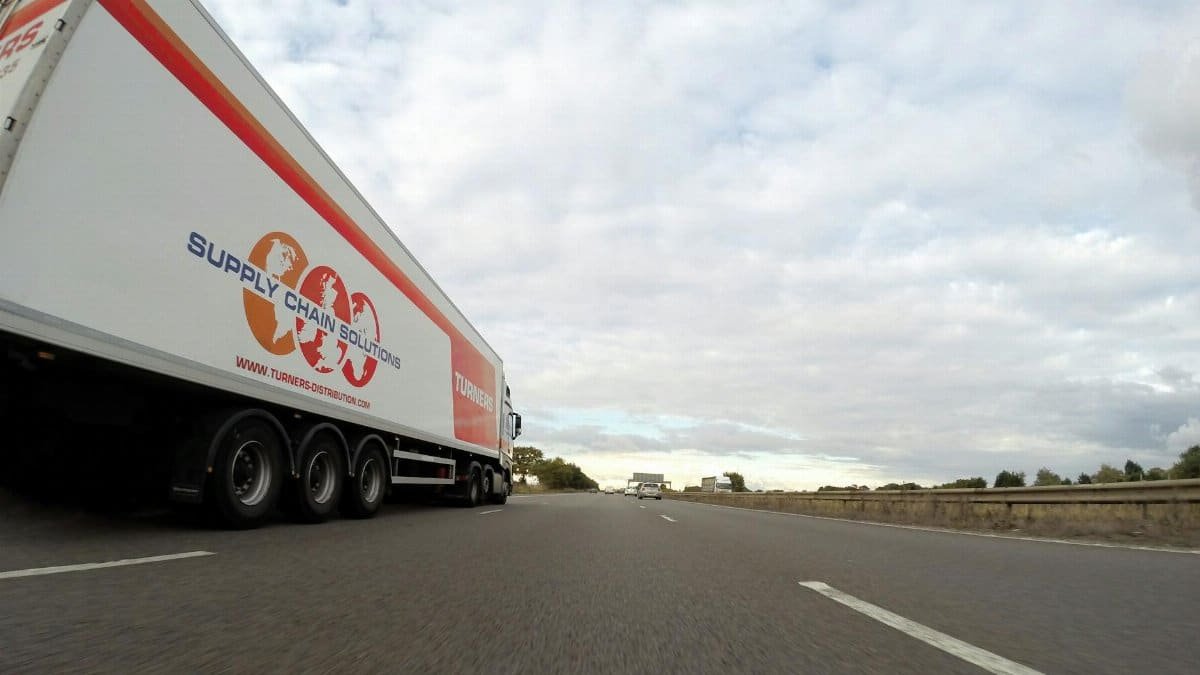
Beyond the roads, the California immigrant CDL revocation threatens broader economic tremors. California’s trucking fleet moves everything from tech components in Silicon Valley to agricultural bounty from the Central Valley, and any driver shortage risks bottlenecks. Community impacts loom large: potential shortages in goods transportation could hike prices and slow commerce at a time when inflation sensitivities run high. Job losses, already flagged by industry voices, compound the strain on local economies dependent on logistics. The full scope may not crystallize until post-April, but early signals point to a logistical crunch with cascading effects.
Safety Standards as the Silver Lining

Amid the controversy, proponents emphasize a core upside: bolstering road safety. Federal rules tying CDL eligibility to legal residency aim to uphold rigorous standards, ensuring operators meet background checks and fitness requirements. By revoking expired licenses, the action weeds out potential risks, aligning California’s roads with national benchmarks. This focus on compliance reassures shippers and the public alike, framing the revocations not just as punitive but as protective—a nod to the lives saved through vigilant enforcement.
Federal-State Tensions in Sharp Relief

This episode crystallizes deeper divides between federal mandates and state immigration postures. California, long a sanctuary for diverse workforces, now navigates the fallout of prioritizing federal transportation law over local leniency. The California immigrant CDL revocation affects thousands of families, spotlighting how national policies filter down to everyday lives. As appeals unfold and disruptions emerge, it serves as a bellwether for future clashes—where safety, economy, and humanity intersect on the open road. With completion eyed for April 2026, stakeholders watch closely for resolutions that might ease the strain.