

Motorists in West Tennessee should brace for significant disruptions as the Tennessee Department of Transportation (TDOT) rolls out extensive construction and lane closures throughout March 2026. These tennessee tdot closures target key upgrades on major routes, promising long-term improvements amid short-term headaches. From interstate bridge repairs to noise wall installations, the work aims to bolster the region’s aging infrastructure while prioritizing worker safety through reduced speed limits. As reported by TN.gov, drivers can anticipate nighttime detours and delays, but the payoff is safer, more reliable roads for communities across the area.
Scope of the West Tennessee Project

The breadth of these TDOT initiatives underscores a comprehensive push to modernize transportation networks in West Tennessee. Spanning multiple highways, the closures form part of a coordinated effort to address longstanding wear and tear. Unlike sporadic maintenance, this wave represents sustained investment, with crews tackling everything from foundational grading to advanced structural enhancements. For residents and commuters who rely on these corridors daily, the timing—extending through early March—means planning ahead is essential to navigate the patchwork of restrictions effectively.
Key Highways Under the Microscope

At the heart of the tennessee tdot closures are three vital arteries: I-55, US-51, and SR-14. Interstate 55, a critical north-south lifeline for freight and passenger traffic, will see focused interventions that could reshape travel patterns. US-51 and SR-14, equally indispensable for local connectivity, round out the list, ensuring that upgrades ripple through urban and rural stretches alike. These selections aren’t arbitrary; they reflect high-traffic zones where deterioration poses the greatest risks, according to TDOT’s strategic planning.
Grading and Drainage Overhauls

Grading work forms a foundational pillar of the project, smoothing out uneven surfaces and preparing the ground for lasting stability. Paired with drainage improvements, these efforts combat water-related erosion—a common culprit in roadway failures across the Southeast. By enhancing how highways shed rainwater, TDOT is proactively mitigating flood vulnerabilities that have plagued Tennessee routes in recent years. Such measures not only extend pavement life but also reduce the frequency of emergency patches that disrupt traffic even more abruptly.
Noise Walls: A Barrier to Disruption

One of the more resident-focused elements involves erecting noise walls along affected corridors. These barriers, designed to dampen highway roar for nearby neighborhoods, address a quality-of-life concern amplified by growing traffic volumes. In regions like West Tennessee, where homes often hug major roads, such installations can significantly lower decibel levels—echoing findings from the Federal Highway Administration on effective noise mitigation. The closures facilitate this precise work, turning temporary inconvenience into quieter daily lives for those in proximity.
Bridge Repairs for Structural Integrity
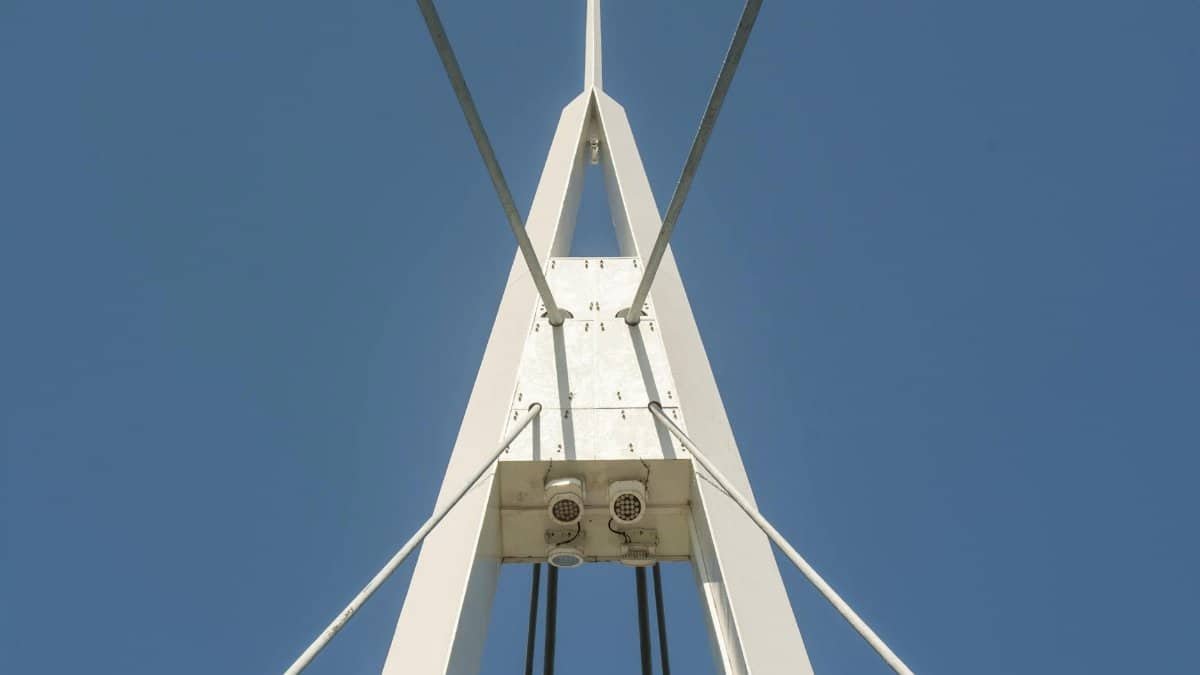
Bridge repairs stand out as perhaps the most critical component, targeting vulnerabilities that could compromise safety. These spans on I-55, US-51, and SR-14 undergo meticulous reinforcement, ensuring they withstand heavier loads and harsher weather. With U.S. infrastructure reports consistently flagging aging bridges as a national priority, TDOT’s focus here aligns with broader calls for resilience. The result? Highways that better serve commerce and evacuation needs, all made possible through these dedicated closure periods.
Safety Protocols in Action

Worker protection drives many operational choices, including enforced reduced speed limits through construction zones. These measures aren’t mere suggestions; they’re lifelines that have proven to slash accident rates in work areas, as evidenced by Transportation Research Board analyses of similar enforcement. Nighttime scheduling further minimizes daytime chaos, though it introduces its own challenges for late-shift drivers. TDOT’s emphasis here reflects a commitment to sending crews home safely each shift, balancing progress with human priorities.
Navigating Detours and Delays

For everyday motorists, the reality of tennessee tdot closures boils down to detours and delays, particularly after dark when much of the heavy lifting occurs. Expect rerouting prompts via signage and apps, urging patience as backups form. While frustrating, these interruptions are finite—slated to wrap by early March—offering a clear end date for planning vacations, deliveries, or routines. Commuters are advised to check TDOT updates religiously, turning potential gridlock into manageable commutes.
Long-Term Wins for Infrastructure

Beyond the cones and cranes, these projects herald substantial infrastructure gains. Smoother grades, superior drainage, quieter walls, and fortified bridges collectively elevate West Tennessee’s roadways to modern standards. “Building better roads,” as TN.gov aptly puts it, captures the ethos: investment today yields efficiency tomorrow. Enhanced capacity means fewer pothole surprises and swifter regional growth, positioning the area for economic vitality.
Boosting Community Safety

The ripple effects extend to community well-being, where safer highways translate to fewer crashes and quicker response times for emergencies. Noise reductions foster peaceful neighborhoods, while robust bridges instill confidence in daily travel. These tennessee tdot closures, though disruptive, ultimately weave a safer fabric for West Tennessee families. As the work progresses through early March, residents can take heart in the tangible strides toward a more secure transportation future—one lane at a time.