

As airlines navigate a world still healing from pandemic disruptions, the air travel outlook for 2026 paints an encouraging picture of steady expansion. According to a new report from Boston Consulting Group (BCG), global air travel demand is projected to grow by 5.8% next year, a slight moderation from the anticipated 6% uptick in 2025. This trajectory underscores a maturing recovery, with revenue per seat kilometer edging up modestly even as costs mount. Airlines are doubling down on efficiency to keep pace, while many travelers could enjoy fare stability in select markets. It’s a resilient story of adaptation and optimism amid ongoing pressures.
Building Momentum with 5.8% Growth

The forecasted 5.8% growth in air travel for 2026 represents a continuation of the industry’s hard-won rebound. After years of volatility, this projection signals that passenger volumes are settling into a more predictable rhythm. BCG’s analysis highlights how demand is broadening across regions, fueled by pent-up wanderlust and normalized business travel. For airlines, this isn’t just about filling seats—it’s about sustaining profitability in a competitive landscape. The modest deceleration from 2025’s 6% pace suggests a shift from explosive catch-up growth to sustainable expansion, allowing carriers to invest in long-term strategies without overextending.
This growth rate, drawn directly from BCG’s detailed modeling, reflects a global appetite for air travel that’s finally aligning with pre-crisis patterns. Imagine families planning vacations or executives booking cross-continental meetings with greater confidence—these everyday decisions are stacking up to drive the numbers higher.
A Solid Foundation from 2025’s 6% Surge

Looking back at 2025 provides crucial context for the air travel outlook 2026. The expected 6% growth that year sets a robust baseline, capturing the final wave of post-pandemic recovery. Airlines have already proven their mettle by ramping up capacity and optimizing routes during this period. BCG notes that this surge has helped stabilize operations, paving the way for the slightly tempered but still healthy 5.8% advance ahead.
In essence, 2025 acts as the bridge year, where lessons from capacity constraints and supply chain hiccups translate into smarter planning. Carriers entering 2026 won’t be starting from scratch; they’ll build on a year of demonstrated resilience, ensuring the growth feels earned rather than fleeting.
Revenue Per Seat Kilometer Sees Modest Gains

One of the brighter spots in BCG’s air travel outlook 2026 is the modest rise in revenue per seat kilometer (RASK), a key metric for airline health. This uptick means airlines are squeezing more value from each mile flown, even as they add capacity to meet rising demand. It’s not a dramatic leap, but in an industry where margins are razor-thin, every incremental gain counts.
RASK improvements stem from a mix of higher load factors and targeted pricing strategies. Passengers paying a bit more per trip, combined with fuller planes, helps offset broader economic headwinds. For investors and executives alike, this modest ascent is a vote of confidence in the sector’s pricing power moving forward.
Efficiency Takes Center Stage Amid Cost Pressures

With costs on the rise—whether from fuel, labor, or maintenance—airlines are laser-focused on efficiency as outlined in BCG’s report. The air travel outlook 2026 emphasizes operational tweaks like route optimization and fleet modernization to keep expenses in check. It’s a delicate balance: expanding to capture 5.8% growth while ensuring that revenue growth outpaces cost inflation.
This push for efficiency isn’t new, but it’s intensifying. Carriers are adopting data-driven scheduling and sustainable fuel initiatives to trim waste, ensuring that the positive recovery trajectory doesn’t derail under financial strain. The result? A leaner industry poised for profitability.
Stable Fares Bring Relief in Key Markets

For travelers, one of the most welcome aspects of the air travel outlook 2026 is the prospect of stable fares in some markets. BCG points out that while broader pressures persist, certain routes and regions could see prices holding steady, offering a breather for budget-conscious flyers. This stability arises from airlines’ efficiency gains offsetting cost hikes, allowing them to avoid aggressive fare increases.
Picture booking a summer getaway to Europe or a domestic hop without the sticker shock of recent years. In these pockets of predictability, passengers benefit directly from the industry’s discipline, making air travel feel more accessible amid the 5.8% demand swell.
A Positive Recovery Trajectory Unfolds

At its core, BCG’s air travel outlook 2026 charts a positive recovery trajectory that’s gone from survival mode to strategic growth. The progression from 6% in 2025 to 5.8% next year isn’t a slowdown—it’s maturation. The industry has weathered storms, from grounded fleets to geopolitical tensions, and emerged with tools to thrive.
This optimism is tempered realism: revenues and costs are both climbing, but the gap is narrowing in airlines’ favor. For the global economy, it means reliable connectivity that supports tourism, trade, and everything in between.
Strategic Implications for Airlines
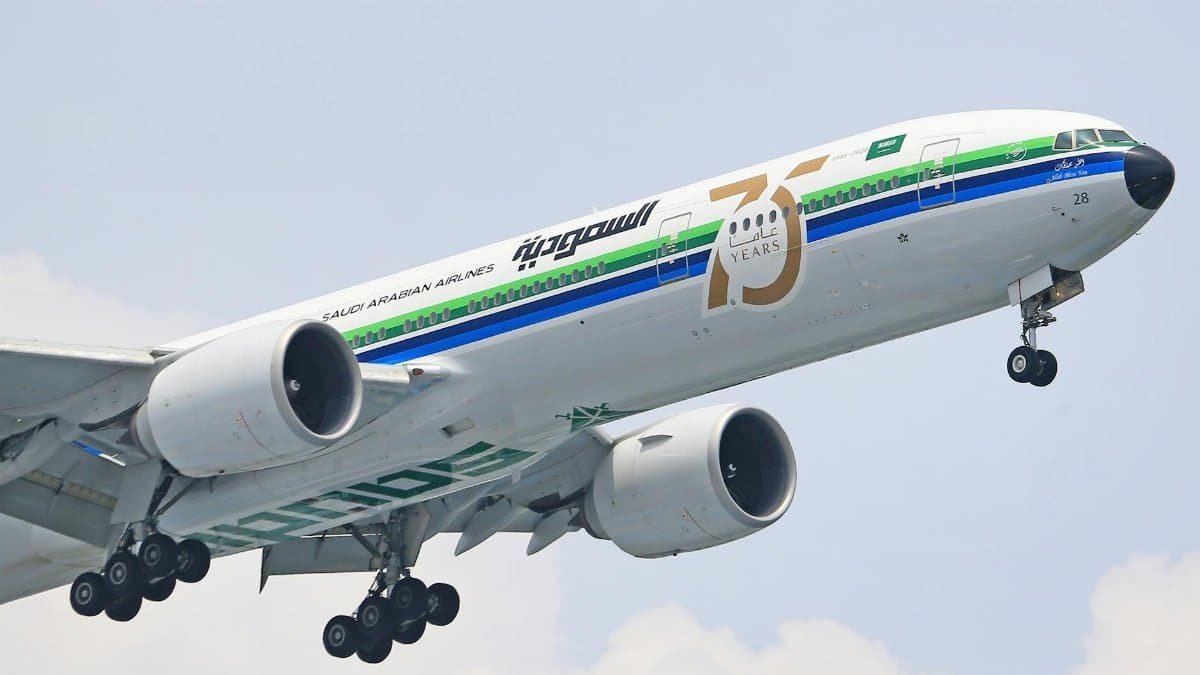
Airlines reading BCG’s report will likely prioritize agility. The modest RASK rise encourages premium offerings and loyalty programs, while efficiency amid costs demands tech investments like AI for demand forecasting. In this air travel outlook 2026, winners will be those who blend expansion with prudence—scaling fleets thoughtfully and hedging against volatility.
Low-cost carriers might lean into high-density routes for stable fares, while full-service airlines chase business traffic. The common thread? A relentless focus on turning recovery momentum into enduring strength.
What Travelers Can Expect in 2026

Passengers stand to gain from this balanced outlook. With 5.8% growth fueling more flights and stable fares in some markets, choices abound. Efficiency drives could mean smoother operations—fewer delays, better on-time performance. Yet, as costs rise modestly alongside revenues, savvy booking remains key.
For the average traveler, 2026 promises a skies-up vibe: reliable service, competitive pricing where it counts, and the thrill of exploration without excessive hurdles. It’s the kind of air travel outlook that reignites the joy of jetting off, one flight at a time.
As BCG’s analysis underscores, the path ahead is upward. Airlines and flyers alike can approach 2026 with measured enthusiasm, ready to capitalize on a recovery that’s finally hitting its stride.