

In a striking development along California’s rugged coastline, several northern elephant seals at Ano Nuevo State Park have tested positive for H5N1 bird flu, marking a concerning yet contained wildlife health event. The detections, centered on the park’s bustling colony, were confirmed by USDA laboratories on February 24, 2026, during the height of pupping season. While the outbreak has drawn close scrutiny from experts, there have been no reports of mass die-offs, and the seals appear to be showing resilience amid monitoring efforts. This elephant seals bird flu incident underscores the unpredictable ways avian influenza can spill over into marine mammals, prompting multi-agency vigilance without disrupting public access to the park.
The Initial Detection at Ano Nuevo

Ano Nuevo State Park, a vital haul-out site for northern elephant seals, became the focal point of attention in early February 2026 when initial tests revealed the presence of H5N1 bird flu among several individuals in the colony. These massive marine mammals, known for their dramatic breeding displays, were going about their annual pupping rituals when the virus surfaced. The park’s remote location on the San Mateo County coast, just north of Half Moon Bay, provides a natural sanctuary for thousands of seals each winter, making any health anomaly here particularly noteworthy. As reported by Local News Matters, the findings emerged from routine surveillance that quickly escalated into a coordinated response.
USDA Confirmation Seals the Diagnosis
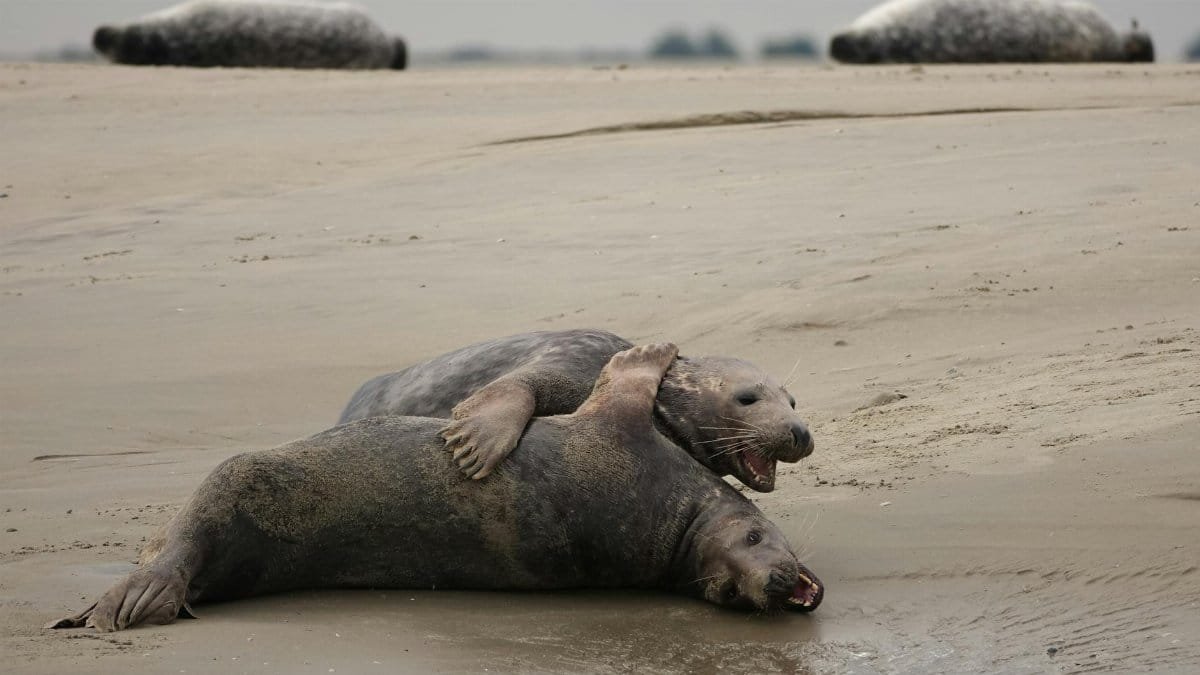
Laboratory analysis played a pivotal role in validating the outbreak. On February 24, USDA labs delivered the definitive confirmation, pinpointing H5N1—the highly pathogenic avian influenza strain—as the culprit. This rigorous testing process, involving samples from affected seals, ensured accuracy in a scenario where symptoms can mimic other common pinniped ailments. The timely verification allowed authorities to pivot swiftly from suspicion to structured oversight, preventing any undue alarm. For conservation teams, this step was crucial in distinguishing the elephant seals bird flu event from more severe historical precedents, where the virus has occasionally ravaged marine mammal populations.
Pupping Season Under the Spotlight

The timing of the outbreak could not have been more sensitive, coinciding directly with pupping season at Ano Nuevo. This period sees female elephant seals giving birth to sleek, black-coated pups, who nurse briefly before learning to swim and forage independently. The vulnerability of these newborns to pathogens like H5N1 heightens concerns, as their developing immune systems offer little defense. Yet, despite the detections among pups, the colony’s dynamics have held steady, with mothers continuing their vigilant care and weaned pups venturing into the surf. Observers note that the elephant seals bird flu presence has not visibly disrupted these essential behaviors, a testament to the species’ adaptability during peak reproductive months.
Multi-Agency Teams Step In

Responding with professionalism and precision, multi-agency teams mobilized to monitor the colony around the clock. Drawing from state parks officials, wildlife biologists, veterinarians, and federal partners like the USDA, these groups established observation protocols that balanced scientific inquiry with minimal disturbance. Drones and ground-based vantage points provided non-invasive data collection, tracking individual seal health and movement patterns. This collaborative framework, honed from past wildlife disease responses, ensured comprehensive coverage without compromising the seals’ natural habitat. The effort reflects a broader commitment to safeguarding Ano Nuevo’s ecological jewel amid emerging health threats.
No Signs of Mass Die-Offs

Relief has come in the form of reassuring stability: no mass die-offs have been reported among the elephant seals. Unlike some alarming outbreaks elsewhere, where H5N1 has led to significant mortality in seabirds and mammals, Ano Nuevo’s colony has avoided catastrophe. Scattered positives notwithstanding, the overall population remains robust, with healthy individuals dominating beachfront gatherings. This outcome aligns with observations of the seals’ resilience, possibly bolstered by their robust physiology and the virus’s variable impact. Conservationists monitoring the situation emphasize that isolated cases do not equate to colony-wide peril, offering a measured perspective on the elephant seals bird flu episode.
Park Stays Open with Safety Measures

Visitors to Ano Nuevo State Park need not cancel their plans. The park has remained open throughout, implementing straightforward safety guidelines to protect both people and wildlife. Docent-led tours continue, with advisories urging distance from seals and hygiene practices to curb any human-vector risks. These precautions, informed by CDC and state health protocols, allow the public to witness the colony’s majesty while experts handle the bird flu concerns behind the scenes. The decision underscores confidence in containment strategies, ensuring Ano Nuevo’s role as an educational hub endures uninterrupted.
Conservationists Weigh In on the Natural Phenomenon
Experts in wildlife conservation frame the elephant seals bird flu outbreak as a natural event within the larger tapestry of pathogen dynamics. “It’s part of the ecosystem’s ebb and flow,” note conservationists, who view H5N1 incursions as occasional spillovers from avian reservoirs. While acknowledging the novelty for this colony, they stress proactive tracking to understand transmission routes—likely via contaminated waters or direct bird-seal interactions. This stance promotes informed stewardship over panic, recognizing that northern elephant seals have rebounded from near-extinction through such resilient traits. Real-world studies, like those from the Journal of Wildlife Diseases on influenza in pinnipeds, reinforce how these animals often weather viral challenges without long-term setbacks, seamlessly supporting the current narrative of stability.
Tracking Spread and Future Vigilance

Looking ahead, the focus sharpens on tracking the spread of H5N1 beyond Ano Nuevo. Multi-agency teams are extending surveillance to adjacent beaches and rookeries, sampling for early detection. Conservationists advocate sustained monitoring, leveraging genetic sequencing to map viral evolution. The seals’ apparent resilience bodes well, but vigilance persists, especially as pupping season wanes and adults disperse into the Pacific. This elephant seals bird flu case serves as a clarion call for integrated wildlife health networks, blending field work with lab prowess to anticipate future incursions. As the colony thrives, Ano Nuevo exemplifies how science and nature can coexist amid uncertainty.
In the end, this episode at Ano Nuevo highlights the interconnectedness of avian and marine worlds, where a bird flu variant finds its way to blubbery behemoths on the shore. With no dramatic losses and proactive measures in place, the northern elephant seals press on, their bellows echoing as robustly as ever. The story remains one of watchful optimism, a snapshot of wildlife’s enduring fortitude.