

In the wake of U.S. and Israeli military strikes in March 2026, Utah leaders strikes response has captured attention amid a complex web of national security and humanitarian concerns. Senator John Curtis voiced strong support for the actions, framing them as essential for protecting American troops. Meanwhile, the Democratic Party called for detailed justification, highlighting tensions in political reactions. Religious organizations in the state are closely monitoring the safety of humanitarian volunteers in the region. As discussions unfold, positive aspects like bolstering regional stability emerge, though community views in Utah are shifting. According to the Daily Herald, these developments underscore a commitment to “supporting regional stability,” with monitoring efforts continuing.
Senator John Curtis Leads Supportive Voice

Senator John Curtis has emerged as a prominent figure in the Utah leaders strikes response, offering unequivocal backing for the recent U.S. and Israeli military actions. Curtis emphasized that such measures are vital for safeguarding American troops stationed in volatile areas. His stance reflects a pragmatic approach to foreign policy, prioritizing the immediate security of service members over broader geopolitical debates. In a state with deep ties to military families, Curtis’s position resonates widely, providing reassurance during uncertain times. This support aligns with long-standing Republican views on robust defense postures, ensuring that Utah’s congressional delegation speaks firmly on matters of national defense.
By framing the strikes as protective necessities, Curtis helps shape the narrative around the events, focusing public attention on the human element of troop safety. His comments, drawn from initial reactions reported locally, set the tone for how Utahns might process the international developments.
Democratic Party Demands Accountability
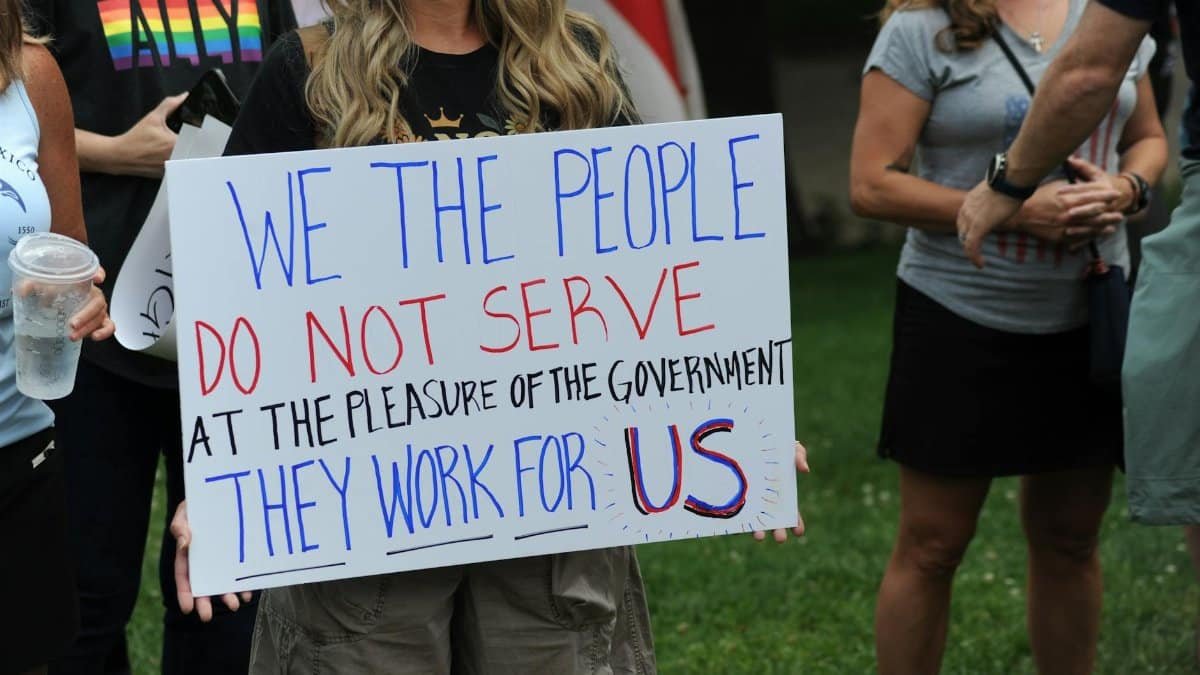
Contrasting Curtis’s endorsement, the Democratic Party in Utah has taken a more cautious line, demanding comprehensive justification for the strikes. This push for transparency underscores a key divide in the Utah leaders strikes response, where calls for evidence-based decision-making challenge the swift military response. Democrats argue that without clear rationale, such actions risk escalating tensions unnecessarily, potentially endangering civilians and volunteers alike.
This position invites deeper scrutiny of the strikes’ origins and objectives, encouraging a balanced discourse. In Utah’s politically diverse landscape, these demands highlight the party’s role in holding all branches accountable, fostering a dialogue that extends beyond partisan lines. The insistence on justification serves as a reminder of democratic checks in foreign affairs.
Religious Organizations Step Up Monitoring

Utah’s robust network of religious organizations is playing a pivotal role in the aftermath, actively monitoring the safety of humanitarian volunteers amid the strikes. With the state’s significant faith-based community, groups are particularly attuned to the perils facing aid workers in conflict zones. Their vigilance adds a compassionate layer to the Utah leaders strikes response, bridging national security with moral imperatives.
These efforts involve tracking real-time developments and coordinating support for those on the ground. In a place like Utah, where religious conviction drives extensive global outreach, this monitoring reflects a commitment to human welfare even as military actions unfold. It ensures that the focus remains on protecting the vulnerable, complementing political responses with grassroots concern.
Positive Aspects: Championing Stability

Amid the debates, positive aspects of the strikes have surfaced, particularly their role in ensuring regional stability. Proponents, echoing sentiments from local coverage, point to how these actions deter further aggression, creating a more predictable environment. The Daily Herald captured this optimism in a key phrase: “Supporting regional stability,” highlighting a silver lining in the Utah leaders strikes response.
This perspective offers reassurance that short-term measures can yield longer-term peace. For Utahns with connections to the Middle East through faith or family, stability translates to safer pathways for diplomacy and aid. It reframes the narrative from conflict to constructive deterrence, a nuance essential for public understanding.
Community Impacts Reshape Local Views

The strikes are rippling through Utah communities, subtly affecting local views on international affairs. Families with deployed loved ones feel the weight most acutely, blending pride in service with anxiety over escalations. This community impact within the Utah leaders strikes response reveals how global events infiltrate everyday conversations in towns across the state.
Churches and civic groups are hosting discussions, where support for troops mingles with worries about broader consequences. These shifts in perspective foster a more engaged populace, attuned to the interplay of security and humanitarian needs. Utah’s unique blend of patriotism and faith amplifies these effects, making the response deeply personal.
Balancing Protection and Justification

The Utah leaders strikes response encapsulates a delicate balance between protecting troops and seeking justification. Curtis’s advocacy for action underscores the urgency of defense, while Democratic calls temper it with oversight. This duality prevents knee-jerk reactions, promoting a measured approach that considers all stakeholders.
In practice, it means ongoing evaluations of strike efficacy, ensuring they align with strategic goals. For Utah, this balance mirrors its community’s values—resolute yet reflective—shaping how the state contributes to national conversations on foreign policy.
Ongoing Monitoring Signals Caution

Monitoring continues as a cornerstone of the response, with religious organizations and leaders alike keeping a watchful eye. This sustained effort ensures that initial reactions evolve with new information, adapting to any shifts in the region’s dynamics. It’s a proactive stance that prioritizes long-term outcomes over fleeting headlines.
In Utah, where humanitarianism is woven into the social fabric, this persistence reassures communities that safety nets remain intact. It also signals to volunteers that their work is valued and protected, sustaining morale amid uncertainties.
Toward a Unified Utah Perspective

As the Utah leaders strikes response unfolds, glimmers of unity emerge despite divides. Shared priorities—troop protection, volunteer safety, and stability—bind politicians, faith groups, and residents. This convergence suggests a maturing discourse, where diverse voices contribute to a cohesive state viewpoint.
Ultimately, these events remind Utahns of their stake in global stability, encouraging informed engagement. With monitoring ongoing, the path forward holds potential for constructive influence on national policy.
By Natasha Weber