
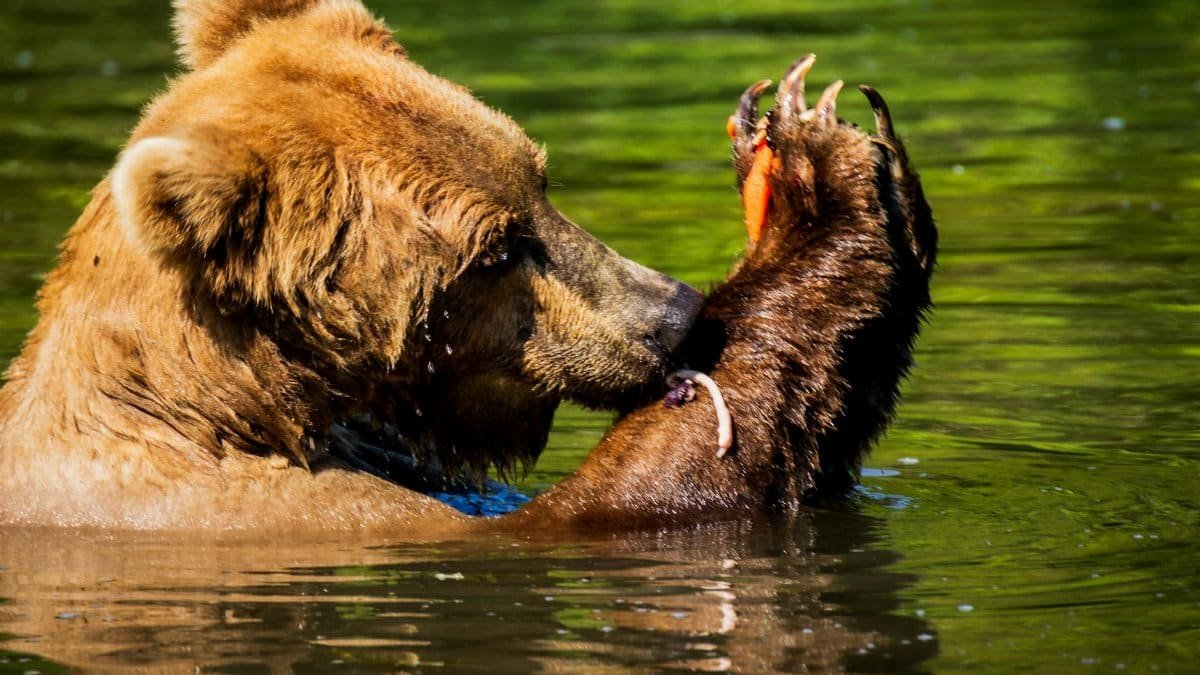
In February 2026, the iconic salmon run Alaska bears phenomenon unfolded at Brooks Falls in Katmai National Park, Alaska, where salmon vaulted through churning waters and brown bears converged to snag their share. This timeless natural feeding spectacle, streamed live via webcam to millions of viewers around the globe, offered a raw glimpse into wildlife’s unscripted drama. As the bears fattened up for hibernation, park rangers kept a watchful eye, ensuring the scene played out without incident. It’s a reminder of nature’s raw power, captured in real time and shared far beyond Alaska’s rugged shores.
Brooks Falls: Epicenter of the Salmon Surge
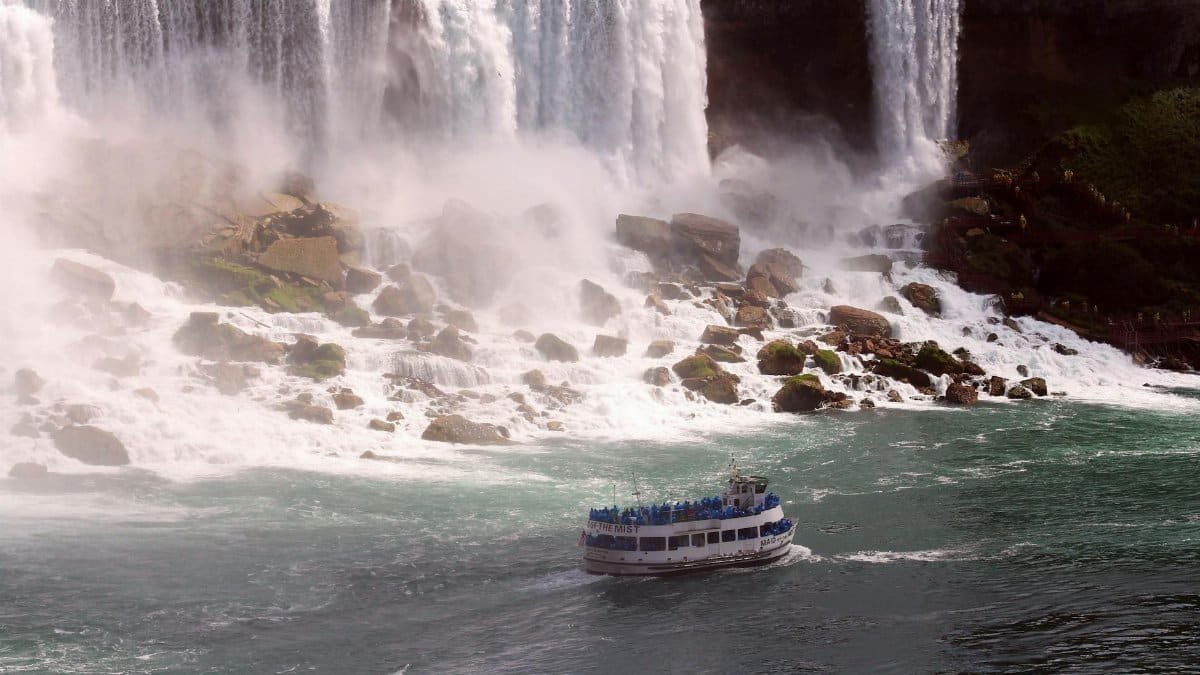
Brooks Falls has long stood as a pivotal stage for one of nature’s most mesmerizing displays. In February 2026, the falls buzzed with activity as salmon powered upstream, leaping repeatedly against the forceful cascade. This relentless push created a frenzy, turning the waterway into a living conveyor belt of opportunity. The spectacle drew immediate attention, not just from local wildlife but from a global audience hungry for authentic wilderness moments. Katmai National Park, with its pristine Alaskan backdrop, provided the perfect amphitheater for this annual ritual, where every jump tested the salmon’s determination and set the scene for the bears’ arrival.
Brown Bears Assemble for the Feast
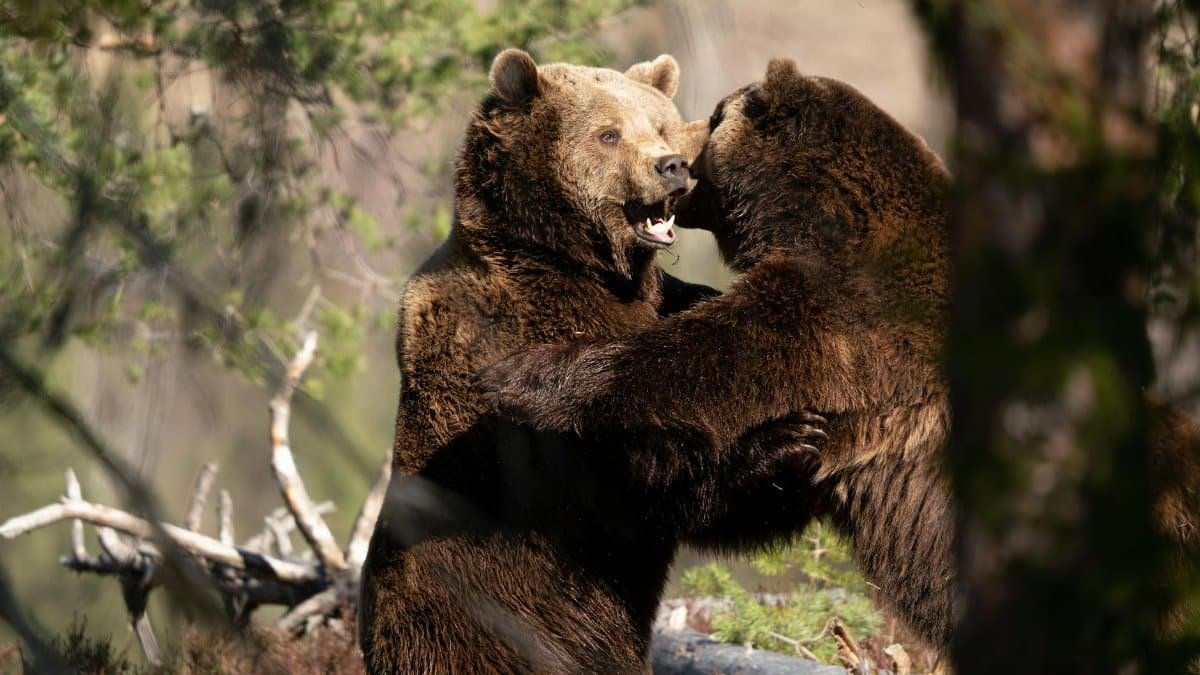
Brown bears, those hulking guardians of Alaska’s rivers, gathered in impressive numbers at Brooks Falls that February. Drawn by the abundance, they positioned themselves strategically in the frothy currents, eyes locked on the airborne salmon. Catching fish became a high-stakes ballet—paws slicing through water, jaws snapping shut on fleeting targets. This gathering transformed the falls into a bustling bear buffet, where competition was fierce yet governed by nature’s unspoken rules. The bears’ presence amplified the drama, turning a simple migration into a symphony of survival.
The Art of the Catch
Each salmon that jumped represented a potential meal, and the brown bears wasted no time capitalizing. Their methodical approach—waiting patiently amid the spray before lunging—highlighted an evolved prowess honed over generations. As fish after fish met its mark, the air filled with splashes and the occasional triumphant shake of a soaked pelt. This wasn’t mere predation; it was efficiency at its wildest, with bears securing sustenance in a display that captivated observers. The February 2026 event, as reported by Defenders of Wildlife, showcased this ritual in vivid detail.
Bulking Up for Hibernation
Winter loomed large for these brown bears, and the salmon run proved invaluable. Every catch contributed to the vital weight gain needed for hibernation, a period of deep slumber where no food passes their lips. Bears packed on pounds rapidly, their bodies converting rich salmon flesh into insulating fat reserves. This feeding frenzy ensured survival through Alaska’s harsh months, a biological imperative playing out in real time. Observers noted the visible transformation—sleeker frames filling out—as the bears prioritized this caloric windfall, underscoring the salmon run’s role in their lifecycle.
Webcam Views Explode to Millions
Technology bridged the gap between remote Alaska and the wider world, with webcams at Brooks Falls beaming the action live. By February 2026, viewership had soared into the millions, as people tuned in from cities and suburbs alike. Families gathered around screens, witnessing salmon leaps and bear strikes unfold without scripts or edits. This digital window not only popularized the salmon run Alaska bears event but democratized access to Katmai’s wonders, fostering a shared appreciation for untamed nature. The streams ran nonstop, turning casual viewers into devoted fans of the falls’ rhythms.
Park Rangers: Silent Sentinels
Amid the excitement, park rangers in Katmai National Park maintained vigilant oversight. Their monitoring ensured the natural feeding spectacle proceeded safely, balancing wildlife needs with human interest. From distant vantage points, they tracked bear movements and salmon flows, ready to intervene only if absolutely necessary. This hands-off guardianship preserved the authenticity of the scene, allowing the salmon run to thrive undisturbed. Rangers’ expertise kept risks at bay, whether for the animals or the virtual audience, embodying the park’s commitment to harmonious coexistence.
A Natural Spectacle’s Timeless Pull

The Brooks Falls gathering in February 2026 encapsulated a pure, unadulterated natural feeding spectacle—one that resonates deeply with our innate connection to the wild. Salmon jumping, bears catching, webcams connecting: it all wove a narrative of resilience and rhythm. For the brown bears, it meant hibernation readiness; for viewers, a momentary escape into primal beauty. Park rangers’ safe stewardship only heightened the event’s allure, proving that some of nature’s greatest shows require no embellishment. According to reports from Defenders of Wildlife, this salmon run Alaska bears convergence reaffirmed why such moments endure in collective imagination.
Why the World Watches Brooks Falls
Beyond the immediate thrill, the event at Katmai stirred something profound. Millions flocking to webcams spoke to a universal draw—the salmon run’s raw energy mirroring life’s unyielding cycles. Brown bears gaining weight for hibernation reminded us of preparation’s quiet power, while rangers’ monitoring highlighted stewardship’s role. In an era of curated experiences, this unaltered spectacle at Brooks Falls stood out, inviting reflection on nature’s self-sustaining order. February 2026’s display, unmarred and authentic, left an indelible mark, ensuring the salmon run Alaska bears legacy leaps forward.