

As the clock winds down on Oregon’s short legislative session, lawmakers are grappling with high-stakes debates that could reshape the state’s financial and environmental future. Set to conclude on March 8, 2026, the oregon legislative session has become a pressure cooker of tension, centered on a projected $650 million budget deficit triggered by federal tax changes, ambitious environmental emission targets, and the delicate timing of a gas tax vote. While challenges mount, the session’s focus on these core issues offers a glimmer of progress amid the urgency. “High stakes for Oregon,” as noted by KLCC, capturing the intensity as public services hang in the balance.
The Crunch of a Short Session

Oregon’s legislative calendar doesn’t allow for drawn-out deliberations this time around. With the session hurtling toward its March 8, 2026, endpoint, every day counts. Lawmakers are compressing what might otherwise span months into a sprint, forcing tough choices on fiscal matters and policy priorities. This compressed timeline amplifies the tension, as negotiators race to align on divisive topics without the luxury of extended committee hearings or public input sessions. The result is a high-wire act where compromise feels both essential and elusive.
A $650 Million Budget Shadow

At the heart of the session’s turmoil looms a $650 million budget deficit, a stark figure that has lawmakers on edge. This shortfall isn’t born from state overspending but from ripple effects of federal tax changes that have eroded anticipated revenues. As reported in coverage of the session, these external pressures demand swift recalibrations to Oregon’s spending plans. Balancing the books here means scrutinizing every line item, from education funding to infrastructure projects, all while avoiding deeper cuts that could ripple through communities.
Federal Tax Changes Hit Home

The deficit’s roots trace directly to shifts in federal tax policy, which have unexpectedly diminished Oregon’s share of funds. These changes, felt across many states, underscore how national decisions can destabilize local budgets overnight. In the oregon legislative session, this has sparked heated exchanges over revenue forecasts and contingency planning. Lawmakers must now bridge the gap without raising taxes outright or slashing vital programs, a puzzle that tests both fiscal creativity and political will.
Environmental Emission Targets in the Spotlight
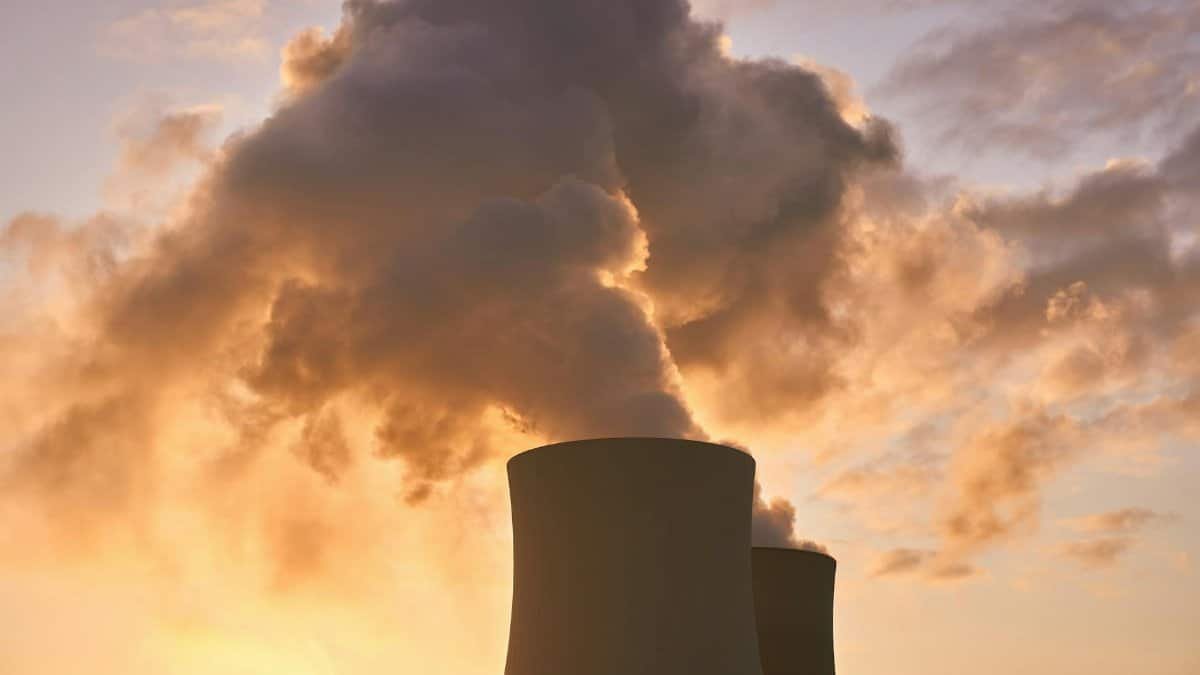
Beyond the dollars, environmental ambitions are fueling debate. Lawmakers are pushing to refine or reinforce emission targets aimed at curbing the state’s carbon footprint. These goals, integral to Oregon’s climate strategy, face pushback amid the session’s time constraints and budget woes. Proponents argue that strengthening these targets is non-negotiable for long-term sustainability, even as skeptics worry about the immediate costs to industries and consumers. The tension here reflects broader national divides on green policy.
The Tricky Timing of the Gas Tax Vote

Adding another layer of complexity is the gas tax vote, whose scheduling has become a flashpoint. With the session’s end approaching, deciding when—or if—to bring this measure to the floor carries enormous weight. A premature vote risks defeat amid fiscal fatigue; delaying it could miss a narrow window for passage. This timing dilemma intertwines with the budget deficit discussions, as any new revenue from a gas tax hike might help offset the $650 million hole, but only if navigated carefully.
Positive Momentum Amid the Strain

Not all is gridlock in this oregon legislative session. Despite the tensions, the focus on these pivotal issues—budget stability, emissions reduction, and infrastructure funding via gas taxes—signals a commitment to addressing Oregon’s most pressing needs. Lawmakers have spotlighted opportunities for bipartisan wins, turning potential crises into actionable reforms. This proactive stance offers reassurance that the session, though short, is punching above its weight in tackling foundational challenges.
Impacts Rippling to Public Services

The stakes extend far beyond the capitol halls, directly touching Oregonians’ daily lives. Public services—from schools and healthcare to road maintenance—stand vulnerable to the budget deficit’s fallout. Federal tax changes exacerbating this shortfall could force reductions in these areas, straining an already stretched safety net. As the session debates emission targets and gas tax timing, communities brace for how these outcomes will safeguard or imperil essential support systems that families rely on.
Voices Echoing the Urgency

“High stakes for Oregon,” rings as a succinct summary of the mood, courtesy of KLCC’s reporting on the session’s dynamics. This quote encapsulates the political tension simmering as the March 8 deadline nears. Lawmakers, advocates, and observers alike sense that decisions made now will echo for years, influencing everything from air quality to household budgets. The oregon legislative session’s final days promise drama, but also the potential for resolutions that steady the state’s course.
In the end, this brief but intense legislative sprint underscores Oregon’s resilience in facing intertwined fiscal and environmental pressures. As the gavel falls on March 8, 2026, the outcomes will reveal whether tension yielded progress or prolonged uncertainty.