
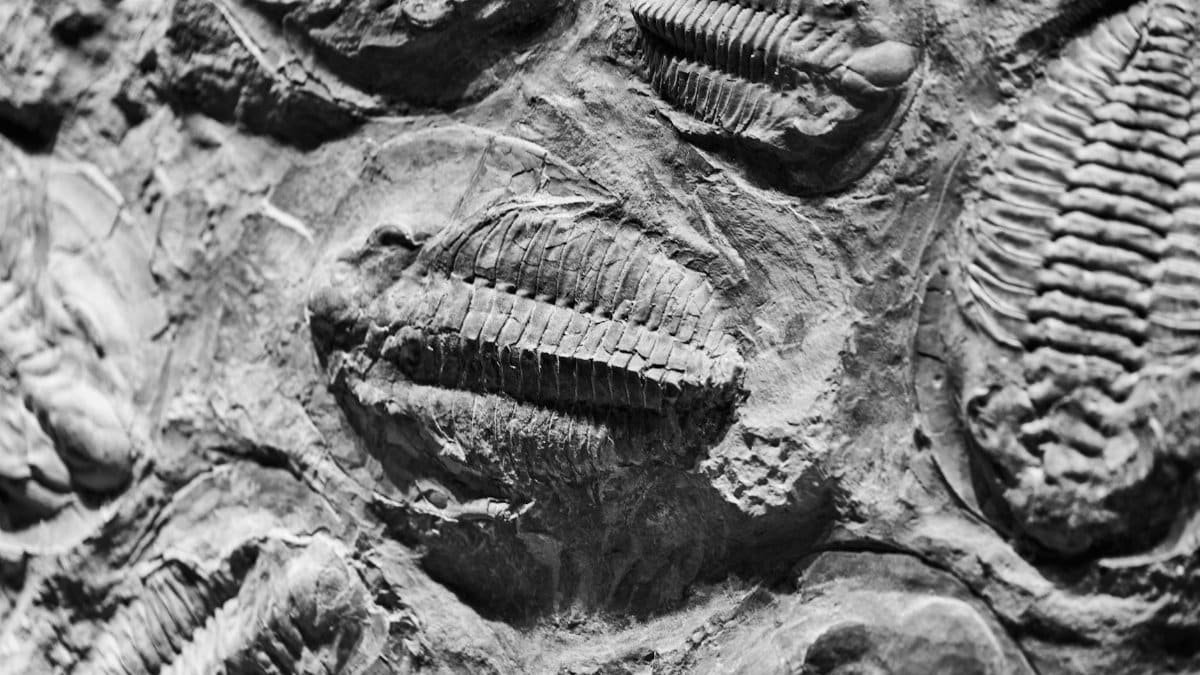
In a remarkable paleontological breakthrough, researchers have discovered fossils of 250-million-year-old temnospondyls—crocodile-like amphibians—in Western Australia, offering fresh insights into ancient life on Earth. Announced in February 2026 by scientists at the University of New South Wales (UNSW) Sydney, these amphibian fossils from Australia date back to the Permian-Triassic period and reveal that the creatures, affectionately dubbed “sea-salamanders,” inhabited polar regions and achieved a global spread long before dinosaurs dominated the planet. The find, detailed in the journal Alcheringa, underscores a pivotal moment in evolutionary history, with the fossil site near Kimberley strikingly resembling today’s Horizontal Falls. This discovery, as reported by UNSW, promises to refine our understanding of prehistoric ecosystems.
The Discovery in Western Australia’s Remote Wilds
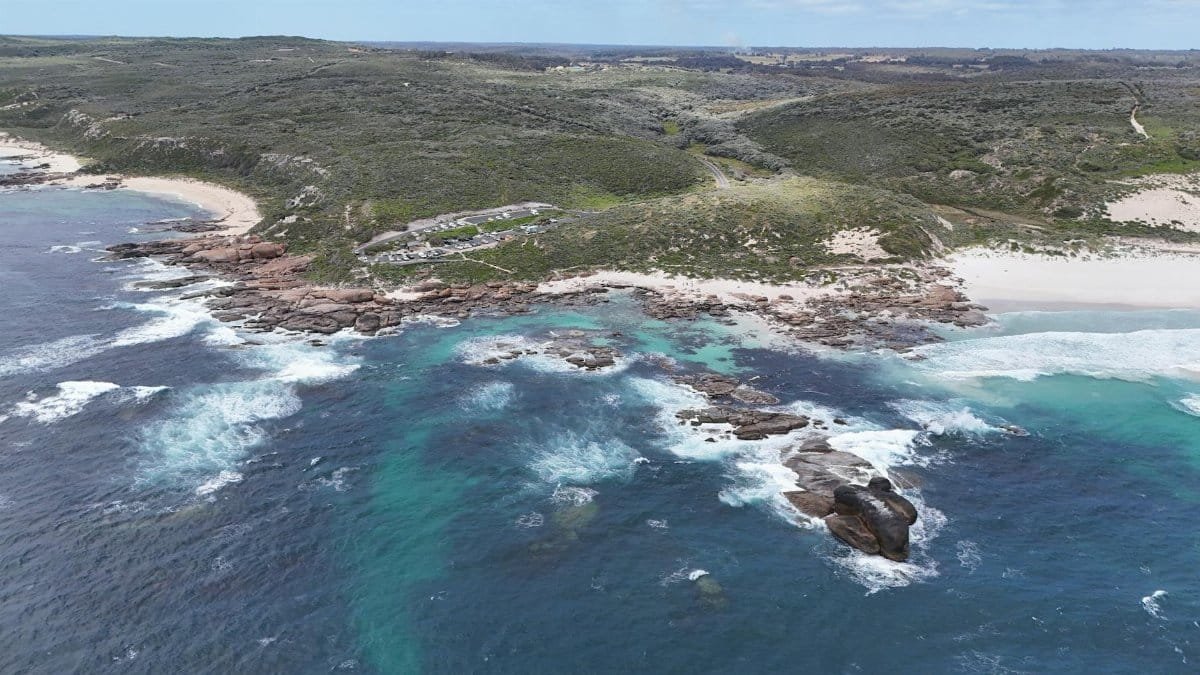
Deep in the rugged landscapes of Western Australia, near the Kimberley region, paleontologists stumbled upon these extraordinary fossils in February 2026. The site, evoking the dramatic cascades of modern Horizontal Falls, preserved the remains of temnospondyls with remarkable clarity. These crocodile-like amphibians, measuring up to several meters in length, swam through ancient waterways that once carved through polar terrains. Researchers from UNSW Sydney meticulously excavated and analyzed the bones, uncovering evidence of a world vastly different from our own. This amphibian fossils Australia haul isn’t just a local treasure; it connects distant corners of the globe through shared prehistoric narratives, highlighting how these resilient creatures navigated extreme environments during the Permian-Triassic transition—a time of profound geological upheaval.
Unpacking the Temnospondyls: Ancient Sea-Salamanders
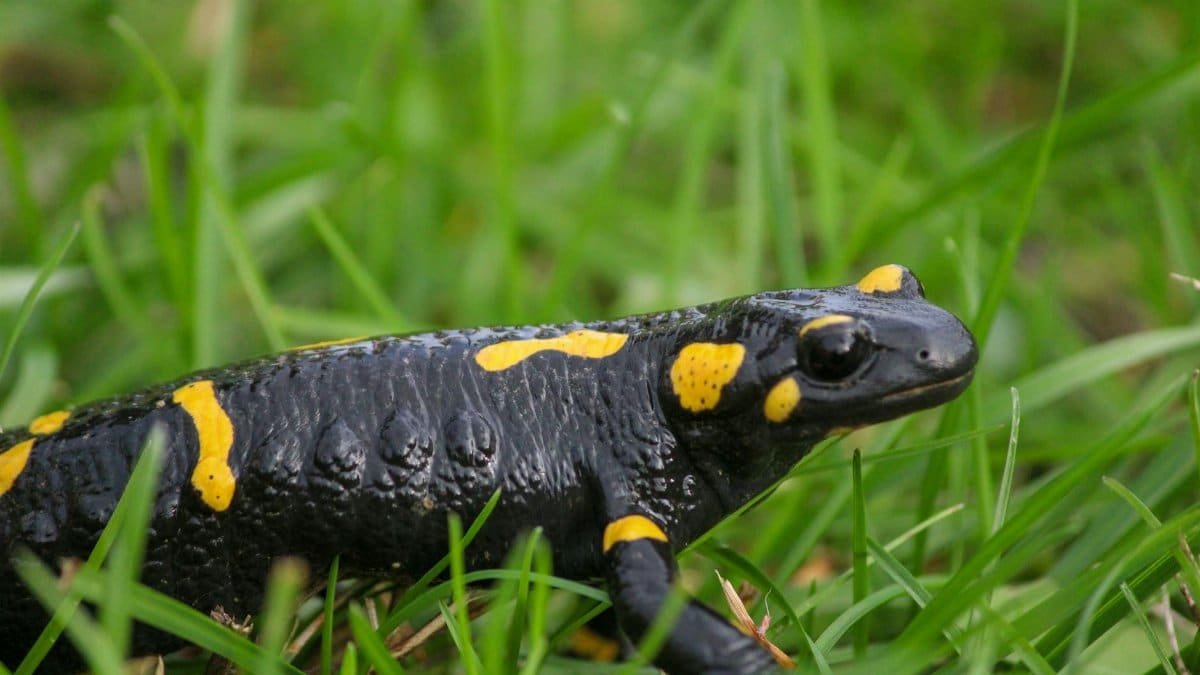
Temnospondyls were no ordinary amphibians. Resembling oversized salamanders with robust, crocodile-esque bodies, they prowled shallow seas and rivers with powerful limbs and elongated skulls ideal for ambush hunting. The 250-million-year-old specimens from Western Australia exemplify this group’s adaptability, thriving as “sea-salamanders” in waters teeming with early marine life. Unlike their more terrestrial cousins, these fossils suggest a semi-aquatic lifestyle, bridging land and sea in ways that foreshadowed later vertebrate evolutions. The UNSW team’s findings emphasize their crocodile-like features—broad jaws lined with sharp teeth—perfectly suited for snapping up fish and smaller prey in polar shallows. This glimpse into their morphology paints a vivid picture of a pre-dinosaurian apex predator.
Life at the Poles: Surviving Harsh Permian-Triassic Realms
During the Permian-Triassic period, Earth was a planet of extremes, with vast supercontinents and fluctuating climates. The amphibian fossils Australia has yielded prove temnospondyls ventured into polar regions, enduring long periods of darkness and cold that challenge modern imaginations. These sea-salamanders likely huddled in ice-fringed lagoons or migrated seasonally, their physiology allowing bursts of activity in brief warm spells. UNSW Sydney researchers note that bone analysis reveals growth patterns indicative of such variable conditions, suggesting metabolic flexibility akin to some contemporary cold-water species. This polar presence expands our view of Permian life, showing amphibians weren’t confined to equatorial tropics but pushed boundaries toward the poles, diversifying ecosystems in unexpected ways.
A Global Odyssey Before the Dinosaur Era
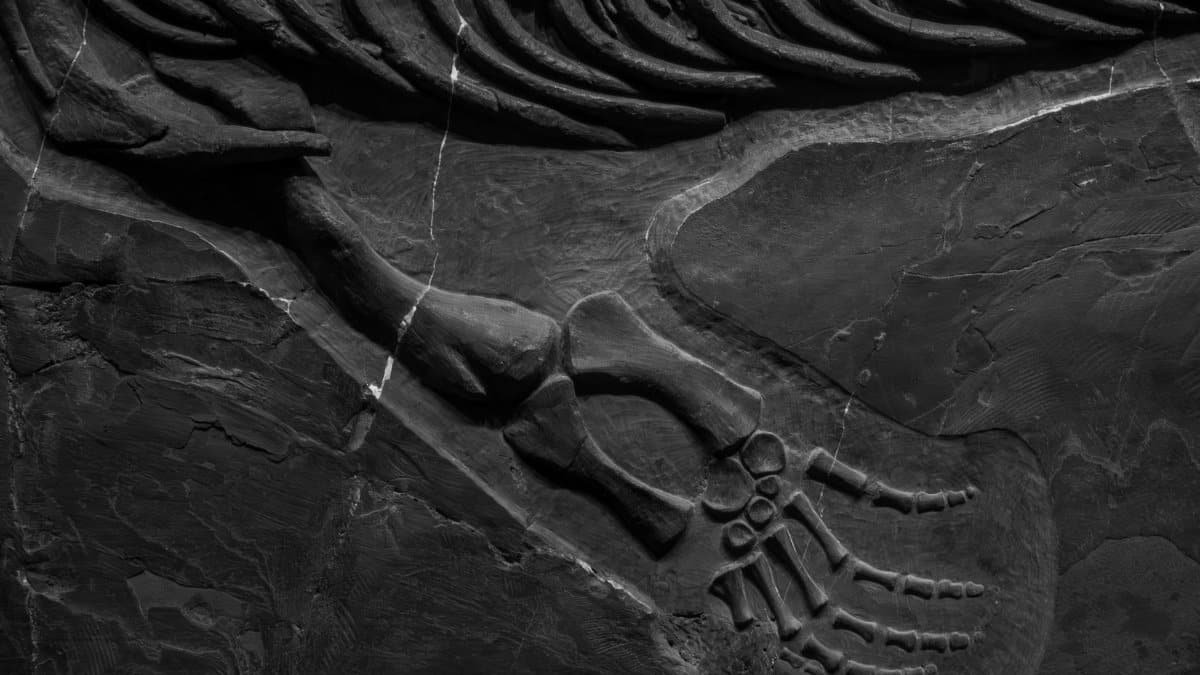
What makes these fossils truly groundbreaking is the evidence they provide of temnospondyls’ worldwide dispersal. Long before dinosaurs lumbered across Pangaea, these sea-salamanders had spread from polar Australia to other continents, populating diverse habitats. The Western Australia discovery aligns with scattered finds elsewhere, illustrating a rapid global radiation during the late Permian. As reported by UNSW, this mobility underscores their role as evolutionary pioneers, filling niches that would later be claimed by reptiles. Imagine vast oceanic currents carrying their tadpole-like young across ancient seas, seeding populations far from origin points. This pre-dinosaur dominance highlights amphibians as key players in the vertebrate story, their fossils bridging isolated outcrops into a cohesive tale of conquest.
Decoding the Bones: Cutting-Edge Analysis Techniques

The UNSW Sydney team’s study relied on sophisticated bone analysis to unlock the fossils’ secrets. Microscopic examination of thin bone sections revealed annual growth rings, much like tree rings, offering clues to the animals’ lifespans and environments. Histological details—such as dense cortical bone for buoyancy control—confirmed their aquatic prowess in polar settings. Published in Alcheringa, the research integrates these findings with stratigraphic data from the Kimberley site, dating the remains precisely to 250 million years ago. No live animals were involved, of course; this is pure paleontology, drawing from stone-hardened remnants to reconstruct flesh-and-blood histories. Such methods have become standard in modern fossil hunts, blending technology with fieldwork for irrefutable insights.
Horizontal Falls: An Ancient Echo in Modern Tides

The fossil site’s proximity to Kimberley’s Horizontal Falls isn’t coincidental in its allure. These roaring tidal phenomena, where massive water volumes squeeze through narrow gorges, mirror the dynamic hydrology that likely shaped the Permian landscape here. Temnospondyls would have navigated similar turbulent straits, their powerful tails propelling them against ferocious currents. The resemblance evokes a time machine effect, linking today’s adrenaline-fueled tourism spot to a predator’s hunting ground 250 million years prior. UNSW researchers highlight how the site’s geology—layered sediments trapping organic riches—preserved the amphibians perfectly, shielding them from erosion. This natural archive continues to yield treasures, reminding us that Australia’s wild corners hold echoes of deep time.
Peer-Reviewed Milestone in Alcheringa

The study’s publication in Alcheringa, a respected journal for Australasian paleontology, marks a rigorous validation of the findings. Peer reviewers scrutinized the bone data, stratigraphic correlations, and evolutionary interpretations, affirming the UNSW team’s conclusions. As detailed in the UNSW announcement, the paper weaves fossil evidence into a broader narrative of temnospondyl proliferation. This isn’t flashy speculation; it’s methodical science, grounded in observable traits and contextual geology. For the academic community, it elevates amphibian fossils Australia from regional curiosity to global benchmark, inviting further expeditions to similar Permian outcrops.
Key Evolutionary Insights Reshaping Prehistory

Scientists hail this discovery as a cornerstone for evolutionary biology. By demonstrating temnospondyls’ polar habitation and global reach, it challenges assumptions about amphibian limitations, positioning them as versatile harbingers of the Triassic. Before dinosaurs eclipsed them, these sea-salamanders exemplified adaptability, influencing food webs and foreshadowing reptilian ascendance. The Kimberley fossils provide a snapshot of resilience amid the Permian-Triassic flux, a era when life teetered on transformation. UNSW’s work illuminates how such creatures knit together the tree of life, their legacy enduring in stone. As paleontology evolves, these amphibian fossils Australia continue to whisper truths about our planet’s wild origins, urging us to look deeper into the rocks beneath our feet.