

Scientists at the University of Copenhagen have unlocked a surprising secret of horse whinny science : those iconic neighs aren’t just one sound, but a remarkable duo of low-frequency vibrations from the vocal cords—think of it as a deep, resonant song—layered with a high-frequency whistle straight from the larynx. Published in Scientific Reports in February 2026, the study reveals this dual mechanism sets the horse’s whinny apart as unique in the animal kingdom. By examining larynges from deceased horses and capturing live recordings, researchers have pinpointed exactly how equines produce their expressive calls. The discovery promises to sharpen our understanding of horse welfare, while U.S. horse owners buzz with excitement over this fresh glimpse into equine communication. No animals were harmed in the process.
The Dual Symphony of the Horse Neigh

At its core, the horse whinny emerges from two synchronized sources within the larynx. The vocal cords generate those familiar low-frequency rumbles, vibrating slowly to create a rich, throaty tone that carries over distances. Simultaneously, a high-pitched whistle arises from the larynx itself, adding a sharp, piercing edge that cuts through the air. This combination isn’t random; it’s a finely tuned vocal strategy that amplifies the sound’s reach and emotional impact. As detailed in the Copenhagen study, this interplay makes every whinny a multifaceted message, blending depth with clarity in a way few other creatures achieve.
Imagine standing in a quiet pasture at dawn, only to hear a horse’s call ripple across the fields—part growl, part trill. That’s the magic of horse whinny science at work, where biology crafts an auditory signature as distinctive as a fingerprint.
Pioneering Research from Denmark

Researchers from the University of Copenhagen led this breakthrough, diving deep into the anatomy of equine vocalization. Their work, shared through Scientific Reports, builds on meticulous observation to demystify a sound that’s captivated humans for centuries. By focusing on the larynx—the voice box of the horse—they’ve provided the first clear evidence of this split production method. This isn’t speculative theory; it’s grounded in direct analysis, offering a window into how horses have evolved their communication over millennia.
Dissecting the Mechanism

The low-frequency component mimics a form of “singing,” where the vocal cords flutter at slower speeds to produce sustained, bass-like notes. These vibrations give the whinny its power and endurance, ideal for signaling across open landscapes. Layered atop this is the larynx’s whistle, a rapid air expulsion that generates high tones akin to a flute. Together, they form a broadband call that’s both powerful and precise. The study’s authors emphasize that this duality enhances the whinny’s versatility, allowing horses to convey urgency, greeting, or distress with nuance.
In horse whinny science, this isn’t just noise—it’s an evolutionary marvel tailored for survival in herd dynamics.
A Sound Like No Other

What truly sets the horse apart is the rarity of this dual production. While many animals rely on single-source vocalizations—birds with syrinxes, mammals with basic folds—horses uniquely fuse these elements in one organ. According to the Copenhagen findings, no other species documented so far combines low-frequency cord action with laryngeal whistling in quite this seamless way. This singularity underscores the whinny’s role as a hallmark of equine identity, distinguishing it amid the chorus of the animal world.
Hands-On Methods Without Harm

To confirm their insights, the team used larynges harvested ethically from horses that had already passed away, avoiding any live experimentation that could cause distress. They paired this with high-fidelity recordings of actual whinnies from living animals in natural settings. These non-invasive techniques allowed precise measurements of frequencies and vibrations, mapping the sound’s anatomy without ethical compromise. The approach exemplifies modern animal science: rigorous, respectful, and revealing.
Horse lovers can rest easy knowing this horse whinny science advances knowledge compassionately, with zero harm to the subjects.
Transforming Horse Welfare
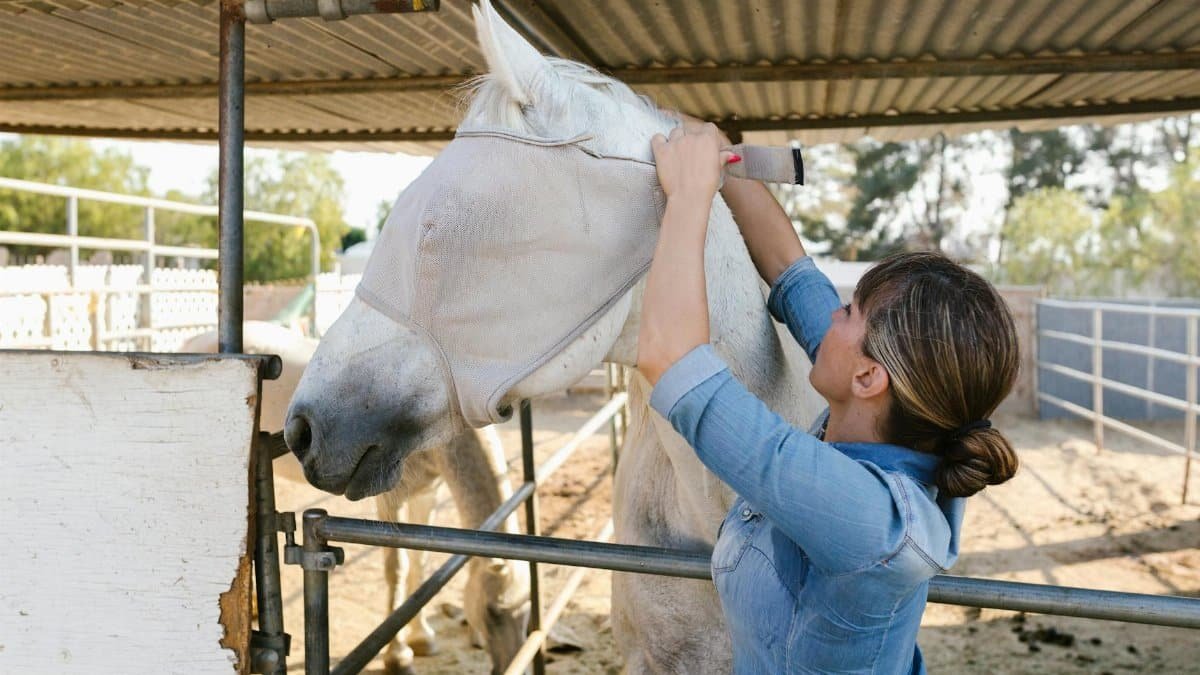
Beyond fascination, these findings hold practical promise. By decoding the whinny’s mechanics, experts can better interpret vocal cues for stress, contentment, or pain—key indicators in welfare assessments. A subtle shift in the whistle’s pitch or the rumble’s intensity might signal health issues before they’re visible. For veterinarians and trainers, this elevates routine monitoring, potentially leading to earlier interventions and happier herds. The study positions horse whinny science as a tool for empathy-driven care.
Past research has hinted at how whinny variations correlate with emotions, much like human tone of voice, seamlessly aligning with this new anatomical clarity to enrich welfare practices.
American Horse Owners Light Up

Word of the discovery has spread like wildfire among U.S. horse enthusiasts, from sprawling ranches in Kentucky to urban stables on the West Coast. Owners are sharing clips and insights online, hailing it as a “fascinating insight into equine communication.” Many recount personal stories of interpreting their horses’ calls, now armed with scientific backing. This grassroots enthusiasm bridges lab results with everyday passion, turning abstract horse whinny science into relatable revelation.
Why It Matters for Equine Bonds

Ultimately, understanding the whinny deepens the human-horse connection. These animals, partners in work and sport for generations, reveal more of their inner world through sound. The Copenhagen study doesn’t just catalog mechanics; it invites us to listen closer, fostering welfare improvements and mutual respect. As horse whinny science evolves, it reminds us that even the most familiar cries hold untapped stories—stories that enhance lives on both sides of the bridle.