
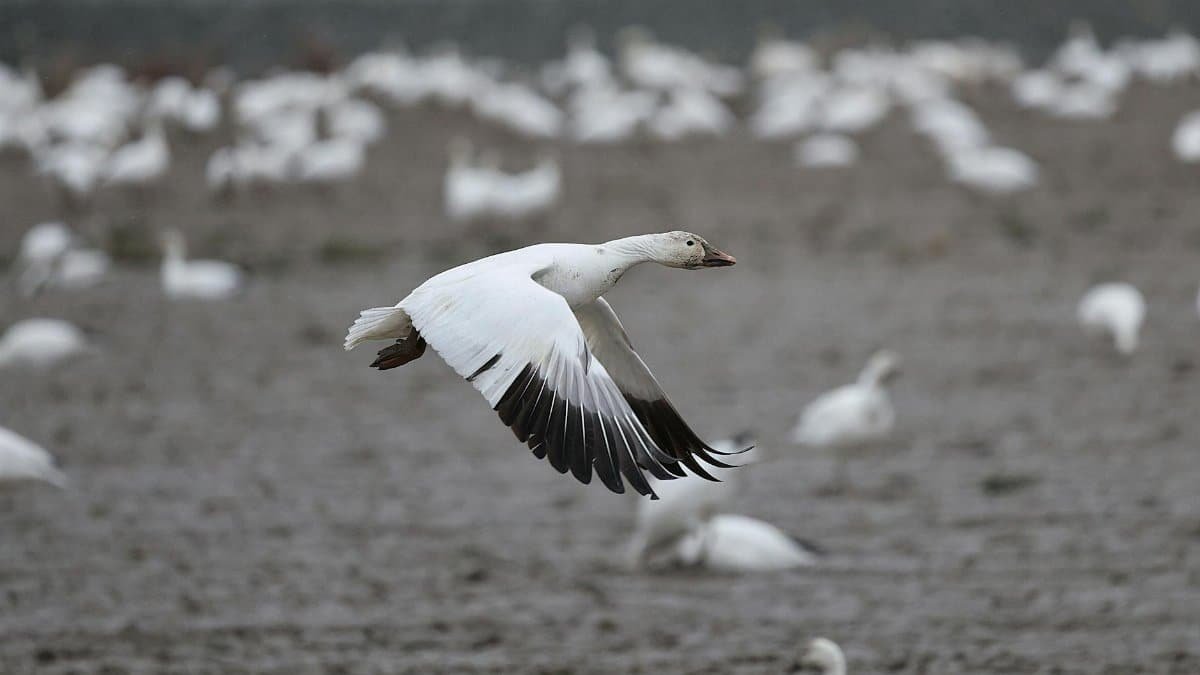
In the crisp air of Pennsylvania’s Middle Creek Wildlife Management Area, tens of thousands of snow geese painted the winter skies white during February and March 2026. These majestic birds, part of the annual snow goose migration Pennsylvania spectacle, descended in vast flocks to rest and refuel before resuming their northbound journey. Visitors gathered in awe, witnessing massive, synchronized takeoffs that filled the horizon like living snowstorms. The area offered dedicated viewing spots and guided tours, turning a natural phenomenon into an accessible wonder. This gathering not only signals the arrival of spring but also underscores ongoing conservation work that keeps the habitat thriving—a peaceful reminder of nature’s rhythms.
### The Allure of Middle Creek
Middle Creek Wildlife Management Area has long been a beacon for nature lovers during the snow goose migration in Pennsylvania. In early 2026, the fields and wetlands there brimmed with life as tens of thousands of these birds arrived, their white plumage contrasting sharply against the muted winter landscape. According to a roundup of top natural events, the sheer volume of geese created a breathtaking vista, drawing crowds eager to witness the migration’s scale. These stops are crucial pit stops, where the birds pause amid their arduous trek northward, conserving energy for the leg ahead. The area’s careful management ensures such gatherings remain possible year after year, blending human observation with the wild’s unscripted drama.
### Flocks by the Tens of Thousands
Imagine a sea of white undulating across Pennsylvania’s countryside—that was the scene at Middle Creek in February 2026. Tens of thousands of snow geese blanketed the ground, their calls a constant chorus echoing over the reserve. This concentration, as reported in previews of 2026’s standout natural displays, highlighted the migration’s magnitude. Each bird, with its distinctive black-tipped wings, contributed to a collective energy that pulsed through the area. Resting here allowed the flocks to recuperate, their bodies storing fat reserves gleaned from the surrounding fields. For observers, it was a humbling display of nature’s abundance, where individual grace scaled up to something profoundly communal.
### Resting Grounds Before the Northbound Journey
The snow goose migration Pennsylvania relies on key waypoints like Middle Creek, where flocks halt their northward push. During those February and March weeks in 2026, the birds foraged and rested extensively, building strength for the demanding flight ahead. This pause is more than a break; it’s a survival strategy honed over generations. Visitors could sense the anticipation in the air, as the geese milled about in loose formations, occasionally testing the winds with short flights. The area’s expansive wetlands provided ideal foraging, rich in the grains and shoots that fuel such migrations. As noted in event forecasts for the year, this interlude transformed Middle Creek into a living staging ground, poised for departure.
### Massive Takeoffs That Captivate
Nothing quite matches the thrill of a massive takeoff during the snow goose migration Pennsylvania. At Middle Creek in 2026, visitors lined up for these moments, when tens of thousands of geese would lift off in unison, wings beating like thunder. The sky would darken momentarily under the weight of so many bodies, then erupt into a swirling vortex of white. These spectacles, spotlighted in guides to the year’s natural highlights, left onlookers breathless, phones forgotten in pockets as the raw power unfolded. Each takeoff signaled readiness for the northbound journey, a choreographed chaos born of instinct. It’s in these flights that the migration’s poetry shines brightest, turning observers into silent participants.
### Viewing Areas Tailored for Spectators
Middle Creek Wildlife Management Area went to great lengths to accommodate those flocking to see the snow goose migration Pennsylvania. Designated viewing areas dotted the landscape, offering unobstructed panoramas of the resting geese and their dramatic departures. Elevated platforms and blinds allowed close encounters without disturbance, ensuring the birds’ peace. In February and March 2026, these spots buzzed with families, photographers, and avid birders, all sharing in the wonder. As detailed in 2026 event previews, such infrastructure makes the migration accessible, bridging the gap between wilderness and everyday appreciation. Quiet paths wound through the fields, inviting a slower pace that matched the geese’s own rhythm.
### Guided Tours Enhance the Experience
For a deeper dive into the snow goose migration Pennsylvania, Middle Creek offered guided tours that brought the event to life. Expert-led walks in early 2026 explained the flocks’ behaviors, from resting patterns to takeoff cues, all while keeping a respectful distance. These outings, highlighted among the year’s must-see natural occurrences, provided context that elevated the visit beyond mere sightseeing. Participants learned how the area’s features supported tens of thousands of birds, fostering a sense of stewardship. Tours often timed perfectly for takeoffs, turning potential misses into unforgettable highs. In this way, Middle Creek didn’t just host the geese—it invited humans into their world.
### A Sure Sign of Spring’s Arrival
The snow goose migration Pennsylvania at Middle Creek serves as nature’s calendar flip, signaling spring’s tentative arrival. As February bled into March 2026, the departing flocks carried whispers of warmer days, their northbound journey mirroring the season’s thaw. Tens of thousands strong, these birds embodied renewal, shaking off winter’s grip with every wingbeat. Visitors departing the area often carried that same lift, the massive takeoffs imprinting optimism. Conservation here sustains not just habitat but hope, as reported in seasonal event lineups. It’s a ritual as old as the flyways themselves, where geese herald change long before the first bud appears.
### Conservation’s Role in Sustaining Habitat
Behind the peaceful spectacle lies diligent conservation at Middle Creek Wildlife Management Area. Efforts to maintain the habitat ensure tens of thousands of snow geese can rest unhindered during their Pennsylvania migration each year. Wetlands are preserved, fields rotated, and invasive threats managed, creating a resilient ecosystem. These practices, which echo broader successes in avian conservation—like those documented by the U.S. Fish and Wildlife Service in supporting migratory stopovers—directly enable the 2026 gatherings. Without such work, the northbound journeys might falter. As previewed in natural event blogs, this stewardship turns a fleeting visit into a legacy, balancing spectacle with sustainability.
### The Peaceful Spectacle That Lingers
At its core, the snow goose migration Pennsylvania at Middle Creek is a peaceful spectacle that etches itself into memory. In 2026, the resting flocks, massive takeoffs, and spring signals wove a tapestry of tranquility amid grandeur. Tens of thousands of geese moved with unhurried purpose, their presence a balm against winter’s end. Viewing areas and tours amplified the serenity, allowing quiet communion with the wild. Conservation’s quiet hand made it all possible, as noted in guides to the year’s highlights. Long after the last bird vanished north, the echo of wings—and the promise of return—lingered, inviting all to pause and witness nature’s gentle power once more.