
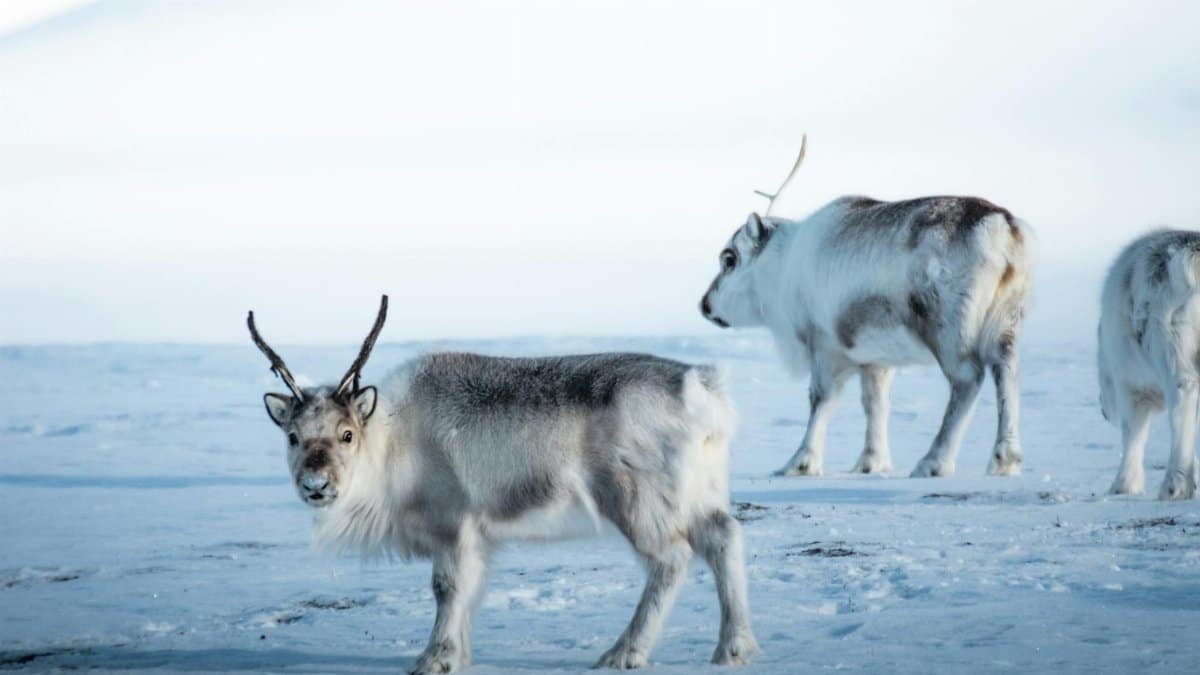
In February 2026, the Porcupine caribou herd embarked on one of nature’s most awe-inspiring spectacles: the porcupine caribou migration Alaska travelers had long anticipated. Covering an astonishing 2,000 miles across the state’s rugged expanses, thousands of these resilient animals traversed vast tundra landscapes en route to their traditional calving grounds. From vantage points in the Arctic National Wildlife Refuge, onlookers marveled at the unbroken flow of the herd, a testament to raw endurance untouched by human hands. Conservation measures have safeguarded these ancient pathways, ensuring the migration unfolds as it has for generations—an unscripted drama of survival in the wild.
The Magnitude of a 2,000-Mile Trek

Few natural events capture the imagination quite like the Porcupine caribou herd’s annual odyssey. In February 2026, this journey spanned a full 2,000 miles, a distance that underscores the sheer scale of their commitment to survival. These caribou don’t meander; they press forward with purpose, driven by instincts honed over millennia. The porcupine caribou migration in Alaska represents not just movement, but a profound rhythm of life, where every mile crossed reinforces the herd’s unbreakable bond with the land. Observers often describe it as a living river of antlers slicing through the winter white, a phenomenon that dwarfs human notions of long-distance travel.
This migration isn’t a sprint but a marathon of endurance, with the herd navigating challenges that would test even the hardiest explorer. The 2,000-mile path weaves through Alaska’s diverse terrains, demanding constant adaptation. As reported by KOA, the event drew attention for its precision and persistence, highlighting how these animals turn vast wilderness into a highway of instinct.
Braving the Endless Tundra
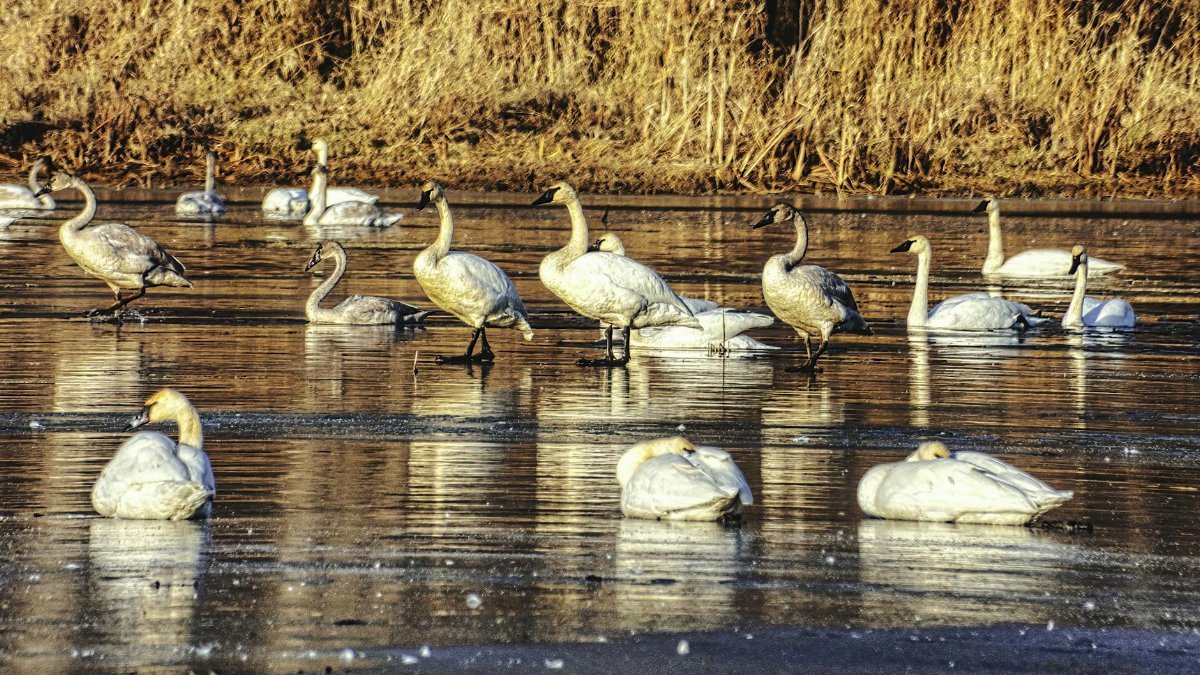
The tundra stretches out like an infinite canvas under Alaska’s February skies, and it’s here that the Porcupine caribou herd truly shines. Thousands strong, they crossed these frozen plains, their hooves crunching through snow and ice in a synchronized surge. This leg of the porcupine caribou migration Alaska style is defined by exposure—biting winds, subzero temperatures, and featureless horizons that test resolve. Yet the herd moves as one, a fluid mass that parts the landscape rather than yielding to it.
The tundra crossing demands energy reserves built up over months, with each step a calculated push toward renewal. No detours, no pauses for the faint-hearted; it’s a deliberate advance that speaks to the herd’s collective strength. Blended seamlessly into this effort is the quiet assurance that such routes, vital for foraging and movement, have been traversed by ancestors for thousands of years, as noted in longstanding wildlife observations.
Toward the Sacred Calving Grounds
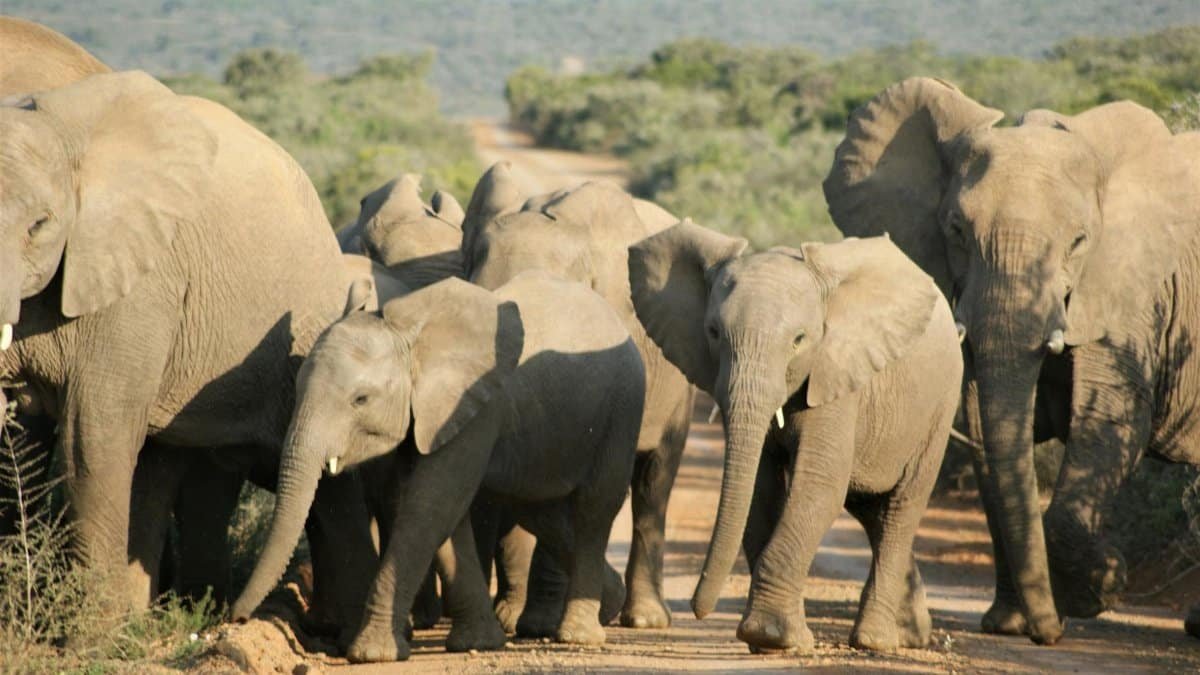
At the heart of this epic journey lies the destination: the calving grounds, where new life will soon emerge. The Porcupine caribou herd’s 2,000-mile migration culminates here, after battling across tundra and beyond. Thousands arrive not in disarray, but in orderly waves, securing the nutrient-rich grounds essential for birthing and early nurturing. This porcupine caribou migration Alaska phenomenon isn’t merely travel—it’s a pilgrimage, timed with precision to align with spring’s first thaw.
These grounds offer more than shelter; they’re a cradle of continuity. The herd’s arrival ensures the next generation starts strong, away from predators and harsh weather. The February 2026 crossing, as detailed in KOA’s roundup of natural wonders, painted a vivid picture of anticipation, with the tundra’s vastness giving way to this pivotal promise of renewal.
Viewers’ Vantage in the Arctic National Wildlife Refuge
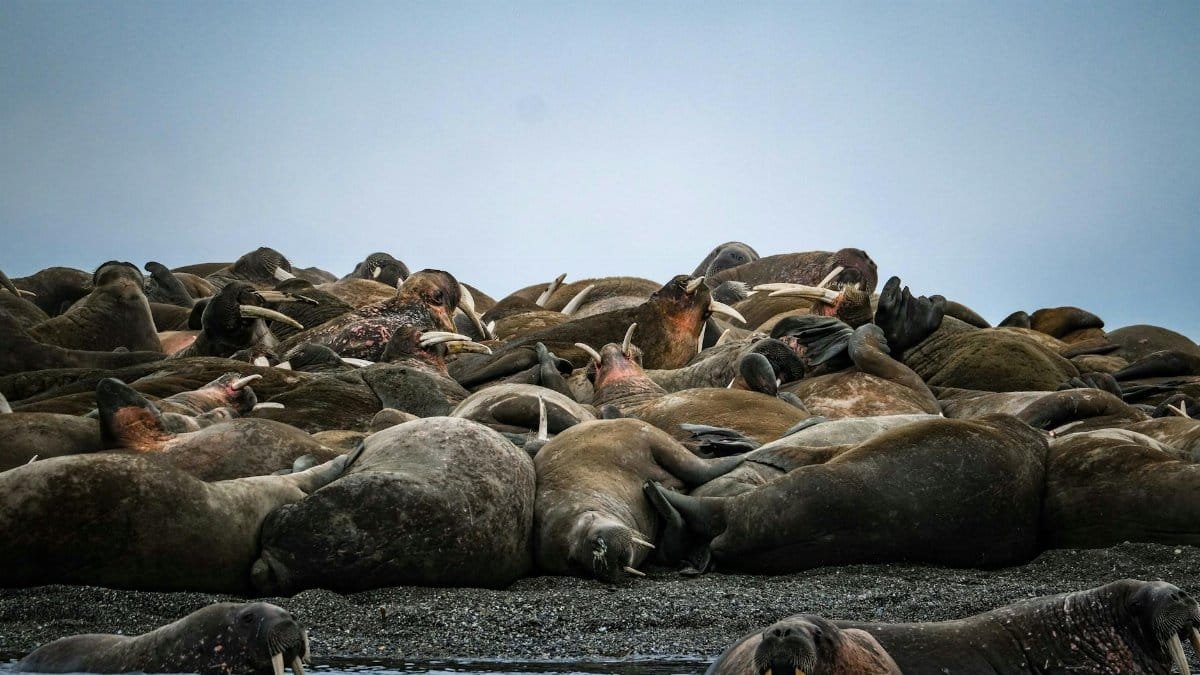
From the elevated overlooks of the Arctic National Wildlife Refuge, spectators witnessed the porcupine caribou migration Alaska in its full glory. Binoculars trained on the horizon, they watched thousands stream by—a front-row seat to nature’s theater. The refuge, with its pristine vistas, framed the event perfectly, allowing undisturbed observation of the herd’s unyielding progress toward calving grounds.
This wasn’t a crowded spectacle but an intimate communion with the wild. Viewers, bundled against the chill, felt the ground subtly tremble under the herd’s passage, a sensory reminder of wilderness’s power. The Arctic National Wildlife Refuge served as the ideal backdrop, its remoteness amplifying the migration’s purity and drawing those seeking solace in unaltered beauty.
Conservation’s Quiet Guardianship

Behind the seamless flow of the Porcupine caribou herd lies a network of conservation efforts protecting their routes. These measures ensure the 2,000-mile path remains viable, free from encroachment that could disrupt the annual rhythm. In Alaska’s changing climate, such protections are lifelines, preserving tundra crossings and access to calving grounds for generations.
By safeguarding these corridors, conservationists honor the herd’s needs without fanfare. The porcupine caribou migration Alaska endures because of this foresight—routes mapped by nature, now buffered by human restraint. It’s a model of balance, where intervention means stepping back to let endurance prevail.
A Display of Raw Endurance
What elevates the February 2026 migration to legendary status is the herd’s impressive endurance. Covering 2,000 miles across Alaska’s unforgiving terrain, thousands exemplified stamina that borders on the superhuman. The porcupine caribou migration Alaska is a showcase of fortitude—animals pushing limits day after day, fueled by instinct and necessity.
Each stride across the tundra builds on the last, a cumulative feat that awes biologists and lay observers alike. This display isn’t showmanship; it’s survival distilled, where weakness has no place. As U.S. Fish and Wildlife Service tracking has long affirmed, such migrations demand physiological marvels, like efficient energy use that sustains the herd through blizzards and barren stretches.
Untouched by Human Interference

Purity defines the Porcupine caribou herd’s journey—no human interference mars the scene. In February 2026, the 2,000-mile trek unfolded in solitude, with thousands crossing tundra to calving grounds under nature’s sole direction. Viewers from the Arctic National Wildlife Refuge respected this boundary, their presence fleeting and non-intrusive.
This absence of meddling amplifies the event’s impact, allowing the herd’s endurance to shine unfiltered. Conservation’s role here is passive guardianship, ensuring routes stay pristine. The porcupine caribou migration Alaska remains a rare jewel: authentic, resilient, and wholly self-directed, a reminder that some wonders thrive best alone.