

In the heart of South Carolina’s medical innovation landscape, the Medical University of South Carolina (MUSC) is gearing up to host the 2026 South Carolina SCTR retreat on March 6. This statewide scientific gathering, organized by the SCTR Institute, promises to spotlight groundbreaking advancements in cellular and gene therapy. As MUSC expands its Center for Cellular Therapy, the event will bring together top clinicians and researchers to build vital partnerships in cancer immunotherapy and regenerative medicine. The retreat aims to speed up the journey from promising lab discoveries to real-world patient treatments, fostering collaboration that could reshape healthcare in the region. According to MUSC’s announcement, this symposium is poised to accelerate translational research like never before.
Unpacking the South Carolina SCTR Retreat

The South Carolina SCTR retreat stands as a cornerstone event for the state’s biomedical community, drawing experts from across the region to MUSC’s campus. Hosted by the SCTR Institute, which champions clinical and translational research, this annual symposium has evolved into a platform where ideas ignite progress. On March 6, 2026, attendees will dive deep into the latest strides in cellular and gene therapy—fields that hold immense potential for treating complex diseases. By concentrating on these areas, the retreat aligns seamlessly with broader efforts to translate scientific breakthroughs into therapies that patients can access sooner. It’s not just a meeting; it’s a catalyst for partnerships that bridge academia, clinics, and industry.
Spotlight on Cellular and Gene Therapy Advancements

At the core of this year’s agenda are groundbreaking advancements in cellular and gene therapy, therapies that reprogram the body’s own cells to fight disease or repair damaged tissues. These approaches represent a paradigm shift from traditional drugs, offering targeted solutions for conditions once deemed untreatable. MUSC’s focus here underscores the retreat’s commitment to pushing boundaries, with discussions likely to explore how engineered cells can target malignancies or regenerate organs. As reported by MUSC, the event will highlight innovations that are maturing rapidly, building on foundational work like CAR-T cell therapies, which have already transformed blood cancer treatment in clinical settings. This emphasis ensures participants leave equipped to advance these frontiers collaboratively.
MUSC’s Center for Cellular Therapy Takes Center Stage

MUSC’s ongoing expansion of its Center for Cellular Therapy is perfectly timed with the South Carolina SCTR retreat, positioning the university as a leader in this dynamic field. The center’s growth reflects a strategic investment in infrastructure and expertise needed to scale cellular therapies from experimental stages to routine care. By hosting the retreat, MUSC not only showcases this development but also invites statewide input to shape its trajectory. Clinicians and researchers attending will have opportunities to align their work with the center’s capabilities, fostering synergies that amplify impact. This expansion signals South Carolina’s rising profile in national biomedical research, where local discoveries could soon influence global standards.
Gathering South Carolina’s Top Clinicians and Researchers
One of the retreat’s defining strengths is its statewide scope, convening top clinicians and researchers from every corner of South Carolina. This diverse assembly creates a fertile ground for idea exchange, where bedside insights from practicing doctors meet the ingenuity of lab scientists. The SCTR Institute’s role in orchestrating this gathering ensures a mix of perspectives that sparks innovation. Participants will network to identify shared challenges in cellular and gene therapy, turning individual efforts into collective momentum. Such gatherings have historically proven invaluable, much like how regional consortia have accelerated immunotherapy adoption elsewhere, blending practical hurdles with cutting-edge science for tangible outcomes.
Forging Partnerships in Cancer Immunotherapy

Cancer immunotherapy emerges as a key pillar of the South Carolina SCTR retreat, with partnerships formed here poised to tackle one of medicine’s toughest battles. By harnessing the immune system through cellular therapies, researchers aim to develop more precise, less toxic treatments for various cancers. The event’s structure encourages forging these alliances among attendees, pooling resources to overcome barriers like manufacturing scalability or patient response variability. MUSC’s expertise in this domain, tied to its expanding center, will anchor discussions, helping to streamline pathways for immunotherapy innovations. As the retreat convenes minds focused on these goals, it promises to strengthen South Carolina’s role in national cancer research efforts.
Advancing Regenerative Medicine Horizons

Regenerative medicine takes equal billing at the retreat, where gene and cellular therapies offer hope for restoring function in damaged tissues and organs. Discussions will explore how these technologies can regenerate heart muscle post-infarct or repair neural pathways, drawing on MUSC’s forward-looking vision. The statewide event’s collaborative ethos ensures that breakthroughs in this area benefit from multifaceted input, accelerating applications from proof-of-concept to clinical trials. By emphasizing regenerative approaches alongside cancer treatments, the South Carolina SCTR retreat paints a comprehensive picture of therapy’s future—one where healing extends beyond curing disease to actively rebuilding the body.
Accelerating the Lab-to-Bedside Pipeline
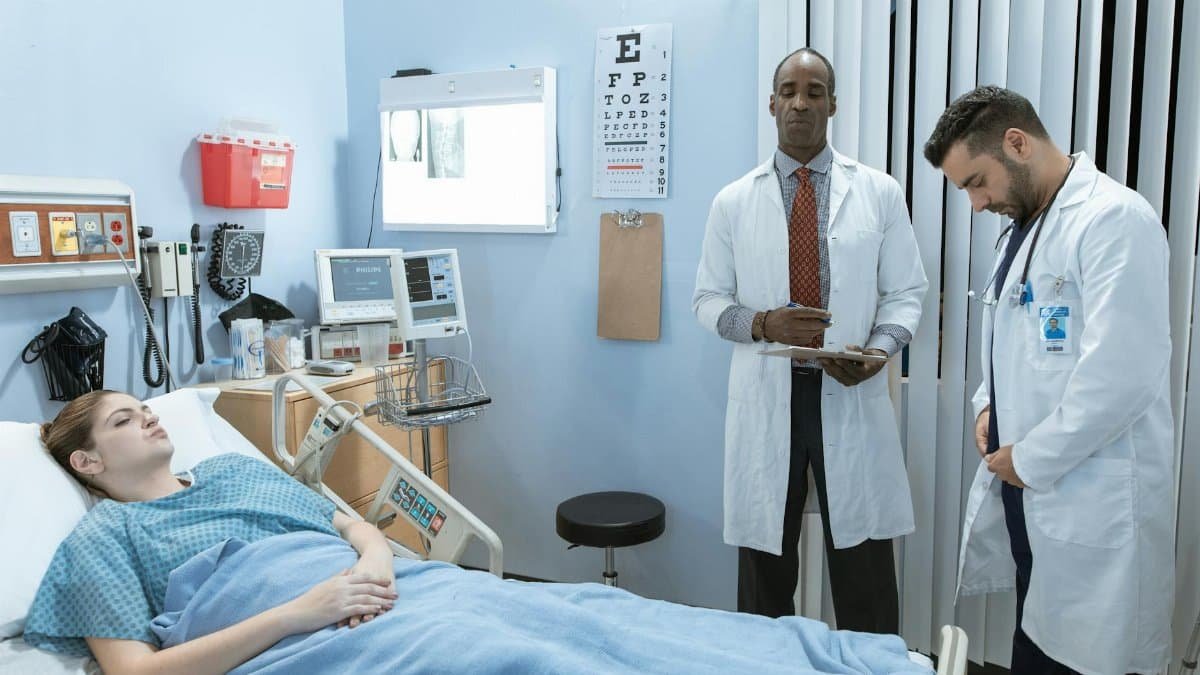
A driving force behind the retreat is the urgent need to hasten the pipeline from lab discovery to bedside application. Too often, promising therapies languish in development due to silos between research and clinical practice; this event dismantles those barriers. Top clinicians and researchers will strategize on streamlining trials, regulatory navigation, and manufacturing for cellular and gene therapies. MUSC’s symposium format facilitates this, with sessions designed for actionable outcomes in cancer immunotherapy and regenerative medicine. The result? Faster delivery of innovations to patients, embodying translational research at its best and reinforcing South Carolina’s commitment to health advancements that matter.
Why the 2026 Retreat Matters for Healthcare

As March 6, 2026, approaches, the South Carolina SCTR retreat emerges as more than an academic exercise—it’s a blueprint for sustainable medical progress. By aligning MUSC’s expansion with statewide expertise, it cultivates an ecosystem where cellular and gene therapy can thrive. Partnerships forged here in immunotherapy and regeneration will ripple outward, potentially lowering treatment costs and improving outcomes for South Carolinians facing serious illnesses. In an era of rapid scientific evolution, events like this ensure the state stays ahead, turning local talent into global contributions. Attendees and observers alike can anticipate a gathering that not only informs but inspires lasting change in healthcare delivery.